Wholesale Cannabis California: Your Ultimate Market Guide
Unlock the secrets to successful bulk cannabis procurement and distribution across the Golden State.
Explore OpportunitiesKey Takeaways
- ✓ California is the largest legal cannabis market in the world.
- ✓ Strict seed-to-sale tracking is mandated for all cannabis products.
- ✓ Wholesale pricing is influenced by cultivation method, potency, and demand.
- ✓ Licensing for cultivation, manufacturing, distribution, and retail is required.
- ✓ Compliance with state and local regulations is paramount for all transactions.
How It Works
Before engaging in wholesale cannabis activities, ensure you possess all required state and local licenses. This includes cultivation, manufacturing, distribution, or retail licenses.
Utilize industry platforms, brokers, and networking events to connect with licensed cultivators, manufacturers, or retailers. Due diligence is crucial to verify their legitimacy and product quality.
Discuss product specifications, quantities, pricing, and payment terms. Understanding current market rates and future projections will strengthen your negotiating position.
All wholesale cannabis transactions must be handled by a licensed distributor. They ensure products are transported securely, taxed correctly, and tracked through the state's seed-to-sale system.
Understanding the California Wholesale Cannabis Landscape
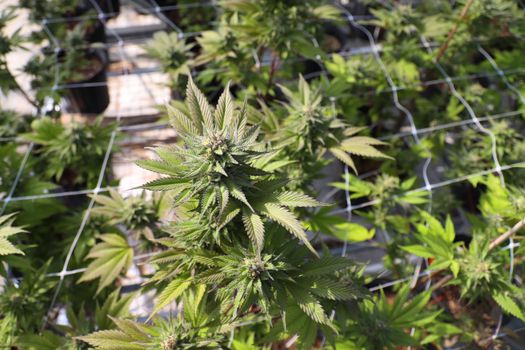 Photo: Cannafornia / Pexels
The market is characterized by a diverse range of products, from raw flower and concentrates to edibles, topicals, and tinctures, each with its own set of production and wholesale considerations. Pricing in the wholesale market is dynamic, influenced by factors such as strain popularity, THC/CBD content, cultivation method (indoor, outdoor, greenhouse), packaging, and overall market supply and demand. For instance, premium indoor-grown flower with high cannabinoid percentages will command a significantly higher wholesale price than outdoor-grown trim. Seasonal fluctuations also play a considerable role, with outdoor harvests typically leading to a temporary increase in supply and potential price drops. Moreover, the fragmented nature of local regulations means that what's permissible in one county might be restricted in another, adding another layer of complexity for distributors and retailers operating across different jurisdictions. Understanding these nuances is not just about compliance; it's about strategic positioning within a highly competitive market. Building strong relationships with reliable cultivators and manufacturers is paramount, as product consistency and quality directly impact a retailer's reputation and sales. Similarly, cultivators need to understand the needs and preferences of their retail partners to ensure their products find a ready market. The robust legal framework, while challenging, also provides a stable foundation for legitimate businesses to thrive, fostering innovation and responsible growth within the cannabis industry. Success in this environment hinges on meticulous planning, adherence to regulations, and a deep understanding of market dynamics.
Navigating Regulations and Licensing for Wholesale Cannabis CA
 Photo: GB The Green Brand / Pexels
Beyond the state licenses, businesses must also comply with local ordinances, which can vary wildly from city to city and county to county. Some municipalities embrace cannabis businesses, offering clear pathways for licensing, while others impose moratoriums or outright bans. This patchwork of local rules necessitates careful due diligence before establishing any wholesale operation or partnership. For example, a cultivator might be licensed by the state but unable to operate if their local jurisdiction prohibits commercial cannabis cultivation. Similarly, a retailer needs to ensure their city allows for cannabis retail sales before they can even consider sourcing wholesale products.
The specific licenses required depend on your role: a cultivator needs a cultivation license, a manufacturer needs a manufacturing license, a distributor needs a distribution license, and a retailer needs a retail license. Each license category has its own application process, fees, and ongoing compliance requirements, including record-keeping, security protocols, and reporting to the state's track-and-trace system (METRC). METRC is a critical component, enabling regulators to monitor every gram of cannabis from its initial growth phase through processing, packaging, and ultimate sale. This system is designed to prevent diversion to the illicit market and ensure product accountability. Failure to adhere to METRC reporting or any other regulatory requirement can result in severe penalties, including fines, license suspension, or even revocation. Therefore, a deep understanding of these regulations and a commitment to strict compliance are not optional; they are fundamental to operating a successful and legal wholesale cannabis business in California. Staying informed about legislative changes and updates from regulatory bodies is an ongoing necessity for all stakeholders.
Sourcing and Selling Strategies for Bulk Cannabis California
 Photo: Hoài Nam / Pexels
For sellers (cultivators, manufacturers), the challenge lies in effectively marketing their products and securing reliable buyers. Building a strong brand reputation for quality and consistency is paramount. Participation in industry events, developing professional sales materials, and leveraging B2B cannabis platforms can help connect with potential retail and manufacturing clients. Understanding market demand for specific strains, product types (e.g., specific concentrates, edible formulations), and potency levels is vital for optimizing cultivation and production schedules. Offering competitive pricing while maintaining profitability requires a deep understanding of production costs and current market benchmarks. Some cultivators opt for direct sales to distributors, while others work with brokers who specialize in matching supply with demand. The emphasis on compliant packaging and labeling cannot be overstated; products must be shelf-ready and meet all state-mandated requirements before they can be distributed.
Both buyers and sellers must work closely with licensed distributors. Distributors play a pivotal role in the physical movement of product, inventory management, and tax collection. They also conduct a final quality control check and ensure that all products are properly manifested and tracked through METRC. Effective communication and transparent dealings between all parties – cultivator/manufacturer, distributor, and retailer – are essential for a smooth and efficient supply chain. Negotiating favorable payment terms and delivery schedules is also a key aspect of successful wholesale transactions. The market is constantly evolving, so staying agile and adapting to new trends and consumer preferences is critical for long-term success in California's cannabis industry.
Key Challenges and Best Practices in California Wholesale Cannabis
 Photo: Alesia Kozik / Pexels
Navigating the complex and ever-evolving regulatory landscape is a continuous challenge. Staying abreast of changes from state agencies like the Department of Cannabis Control (DCC) and local jurisdictions requires dedicated resources. Compliance with METRC track-and-trace requirements, stringent testing protocols, and packaging regulations demands meticulous attention to detail and robust internal systems. Finally, access to traditional banking services remains limited for many cannabis businesses, forcing reliance on cash-heavy operations, which introduces security risks and logistical complexities.
To overcome these challenges and thrive in the wholesale cannabis California market, businesses should adopt several best practices:
- Prioritize Compliance: Make regulatory adherence a core pillar of your operations. Invest in compliance officers or consultancies to ensure all aspects of your business meet state and local requirements.
- Focus on Quality and Consistency: In a saturated market, product quality and consistency are key differentiators. Implement rigorous quality control measures from cultivation to packaging.
- Build Strong Relationships: Foster trust and reliability with your partners – cultivators, manufacturers, distributors, and retailers. Long-term partnerships are invaluable.
- Optimize Supply Chain Efficiency: Streamline your operations to reduce costs and improve delivery times. Leverage technology for inventory management and logistics.
- Diversify Product Offerings: Don't put all your eggs in one basket. Offer a range of products to appeal to different segments of the market and mitigate risks associated with fluctuating demand for a single product type.
- Monitor Market Trends: Stay informed about consumer preferences, emerging product categories, and pricing trends to make informed business decisions.
- Invest in Marketing & Branding: Even in B2B, a strong brand identity and effective marketing can help your products stand out.
- Financial Prudence: Manage cash flow carefully, account for high tax liabilities, and explore alternative financial services where traditional banking isn't available.
Comparison
| Feature | Licensed Distributor | Direct Sale (Illegal) | Unlicensed Broker |
|---|---|---|---|
| Legality | Fully Compliant | Illegal (High Risk) | Illegal (High Risk) |
| Tax Collection | Required & Handled | None (Tax Evasion) | None (Tax Evasion) |
| Product Testing | Mandatory & Verified | None | Unverified |
| Track & Trace (METRC) | Full Compliance | None | None |
| Quality Assurance | ✓ | ✗ | ✗ |
| Security & Transport | ✓ | ✗ | ✗ |
| Risk of Penalties | Low (if compliant) | Very High | Very High |
What Readers Say
"Finding reliable wholesale cannabis in California was a struggle until we partnered with a well-vetted distributor. Their consistent quality and adherence to regulations have been a game-changer for our dispensary."
Sarah J. · Oakland, CA"As a cultivator, connecting with the right wholesale buyers is crucial. Using platforms focused on wholesale cannabis California allowed us to expand our market reach significantly."
Mark T. · Los Angeles, CA"The detailed guide on wholesale cannabis California helped us understand the complex licensing requirements. Our sales increased by 30% after streamlining our sourcing process."
Jessica L. · San Diego, CA"While the market is competitive, focusing on niche products helped us carve out a space in the wholesale cannabis California scene. Pricing can be challenging, but quality always wins."
David R. · Sacramento, CA"From a manufacturing perspective, securing consistent, high-quality bulk flower for extraction is paramount. Our wholesale cannabis California partners have consistently delivered, ensuring our product integrity."
Emily C. · Santa Rosa, CAFrequently Asked Questions
What licenses are needed to buy or sell wholesale cannabis in California?
To legally buy or sell wholesale cannabis in California, businesses must hold the appropriate state and local licenses. This typically includes a cultivation license for growers, a manufacturing license for processors, a distribution license for intermediaries, and a retail license for dispensaries. A licensed distributor is mandatory for all transfers between licensed entities.
How do I ensure the quality and compliance of wholesale cannabis products?
Ensuring quality and compliance involves several steps: only work with licensed entities, always request and verify Certificates of Analysis (COAs) for every batch, ensure products are properly manifested through the METRC track-and-trace system, and confirm all packaging and labeling meet California's strict regulations. Regular due diligence on your partners is also crucial.
What is METRC and why is it important for wholesale cannabis California?
METRC (Marijuana Enforcement Tracking Reporting Compliance) is California's seed-to-sale tracking system. It's critical because it allows regulators to monitor every cannabis product from cultivation to sale, ensuring accountability, preventing diversion to the illicit market, and verifying tax compliance. All wholesale transactions must be recorded in METRC.
What are the typical costs associated with wholesale cannabis in California?
Costs in the wholesale cannabis California market are influenced by product type, quality, potency, cultivation method, and market demand. Beyond the product cost itself, businesses must factor in state excise taxes, cultivation taxes (if applicable), local taxes, distribution fees, and potentially broker fees. These can add a significant percentage to the base product price.
How does the illicit market impact legal wholesale cannabis in California?
The illicit market significantly impacts legal wholesale cannabis in California by creating unfair competition. Unlicensed operators avoid taxes and regulatory compliance costs, allowing them to offer products at lower prices. This can depress prices in the legal market and make it challenging for licensed businesses to compete, ultimately impacting profitability and growth.
Who should consider engaging in wholesale cannabis activities in California?
Anyone looking to scale their cannabis business beyond direct consumer sales should consider wholesale activities. This includes cultivators aiming to sell their harvest, manufacturers needing raw materials, and retailers seeking diverse product inventories. It's ideal for those with capital, a strong understanding of compliance, and a desire to operate within a regulated B2B framework.
What are the biggest risks involved in wholesale cannabis transactions?
The biggest risks include regulatory non-compliance leading to fines or license revocation, product quality inconsistencies, payment defaults from partners, supply chain disruptions, and market price volatility. Operating without proper licenses or engaging with unlicensed entities also carries severe legal and financial risks.
What future trends are anticipated in the California wholesale cannabis market?
Future trends include continued market consolidation, a greater emphasis on brand differentiation, increased demand for specialized products (e.g., specific cannabinoid ratios, wellness-focused items), potential tax reform to ease burdens, and technological advancements in cultivation and processing. We may also see further refinement of regulatory frameworks to streamline operations.
Navigating the complexities of wholesale cannabis California requires expertise and strategic partnerships. Leverage this guide to make informed decisions, build compliant operations, and unlock the full potential of the Golden State's vibrant cannabis market.