Sativa vs Indica Effects Explained: Your Ultimate Guide

Detailed image of a cannabis bud against a black background, highlighting texture and detail.Photo: Terrance Barksdale / Pexels

Sativa vs Indica Effects Explained: Your Ultimate Guide

Unlock the secrets behind cannabis strains and choose the perfect experience for your needs and preferences.

Explore Strain Differences

Key Takeaways

  • ✓ Historically, Sativa and Indica referred to plant morphology, not strictly effects.
  • ✓ Modern cannabis effects are primarily driven by cannabinoid and terpene profiles.
  • ✓ Sativa is often associated with uplifting, cerebral effects; Indica with relaxing, body-high effects.
  • ✓ Many strains today are hybrids, blending characteristics of both traditional types.

How It Works

1
Understand the Basics

Familiarize yourself with the traditional classifications of Sativa and Indica. Learn their historical origins and the general expectations associated with each type.

2
Explore Cannabinoids & Terpenes

Delve deeper into the science behind cannabis effects by understanding THC, CBD, and the various terpenes. These compounds are the true architects of your experience.

3
Identify Your Desired Effects

Reflect on what you hope to achieve with cannabis: relaxation, creativity, pain relief, or sleep. This will guide your strain selection process.

4
Consult Product Information

Always check the detailed cannabinoid and terpene profiles provided by licensed producers. Don't rely solely on the Sativa/Indica label for an accurate prediction of effects.

The Historical Roots of Sativa and Indica Classifications
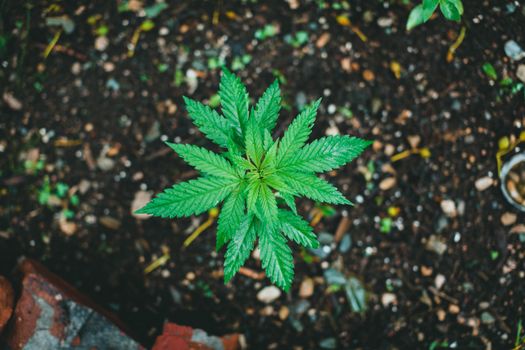
Aerial view of a thriving cannabis plant against soil backdrop.Photo: Jonathan Cooper / Pexels
For decades, cannabis enthusiasts and cultivators have categorized strains into two primary types: Sativa and Indica. This classification, however, originated from botanical distinctions rather than a comprehensive understanding of their psychoactive effects. Carl Linnaeus first described Cannabis sativa in 1753, noting its tall, slender stature and narrow leaves, typically found in warmer, equatorial climates. Later, Jean-Baptiste Lamarck identified Cannabis indica in 1785, characterizing it by its shorter, bushier appearance, broader leaves, and its origins in mountainous regions like the Indian subcontinent. These early distinctions were purely morphological, describing the plant's physical characteristics and growth patterns. The assumption that these physical traits directly correlated to specific effects became ingrained in cannabis culture, leading to the widespread belief that Sativas are energizing and Indicas are sedating. This historical context is crucial for understanding why these terms are still used today, even as scientific understanding evolves. While these classifications provided a simple framework for consumers, modern research reveals a more complex reality. The terms have become shorthand for expected experiences, but the true drivers of effects lie deeper than plant structure. Understanding this historical background allows for a more nuanced approach to choosing cannabis, moving beyond outdated stereotypes. For more on the plant itself, explore the basics of the cannabis plant.

Deconstructing the Traditional Sativa Effects: Energy and Creativity
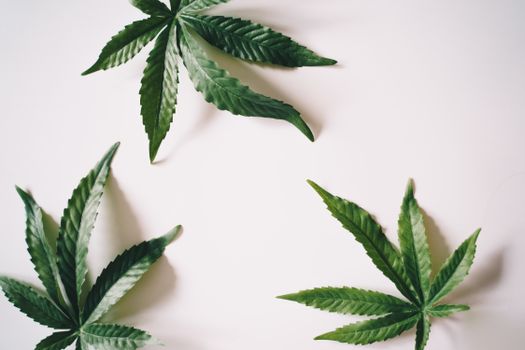
Flat lay arrangement of cannabis leaves on a white background for health and relaxation themes.Photo: Alesia Kozik / Pexels
Traditionally, Sativa strains have been lauded for their uplifting, cerebral, and energizing effects. Consumers often associate Sativas with heightened creativity, increased focus, and a general sense of euphoria. These strains are frequently recommended for daytime use, social gatherings, or activities requiring mental engagement. The classic Sativa experience is often described as a 'head high,' stimulating the mind without heavy sedation. Users report feeling more alert, talkative, and sometimes experiencing a surge of innovative thoughts. This perception stems from the belief that Sativas contain a specific chemical profile that promotes these effects. While many individuals do experience these outcomes with strains labeled Sativa, it's important to recognize that this is a generalization. The actual effects are a result of the complex interplay between various cannabinoids, such as THC and CBD, and a diverse array of terpenes, which are aromatic compounds found in the plant. For instance, terpenes like limonene (found in citrus) are often linked to uplifting moods, while pinene (pine scent) is associated with alertness. Therefore, a Sativa labeled strain might produce these effects due to its particular terpene and cannabinoid ratios, rather than simply being a Sativa by name. The 'Sativa effect' is a common expectation, but a deeper dive into the chemical composition offers a more accurate prediction of the actual user experience.

Exploring the Classic Indica Effects: Relaxation and Sedation

A young woman in a hoodie smokes cannabis indoors, relaxing on a couch with colorful lighting.Photo: Pavel Danilyuk / Pexels
Conversely, Indica strains have traditionally been celebrated for their deeply relaxing, sedating, and body-focused effects. Often referred to as a 'body high,' Indicas are commonly sought after for evening use, stress relief, pain management, and aiding sleep. Users frequently describe a feeling of physical calm, muscle relaxation, and a peaceful tranquility that can lead to couch-lock. These strains are often recommended for unwinding after a long day or for individuals seeking relief from physical discomfort. The common perception is that Indicas possess a unique chemical blueprint that induces these calming sensations. While many people consistently find relaxation with Indica-labeled strains, it's crucial to understand that this is a broad generalization. The true drivers of these effects are the specific combinations of cannabinoids and terpenes present in a particular strain. For example, the terpene myrcene, often found in Indicas, is believed to contribute to sedative qualities, while linalool (lavender scent) is associated with relaxation. Therefore, a strain marketed as Indica might deliver these calming effects because its specific chemical profile, rich in certain terpenes and cannabinoids, promotes them, not solely because it's genetically an Indica. The 'Indica effect' is a powerful expectation, but a closer examination of the biochemical makeup provides a more precise understanding of the actual experience. To learn more about how these compounds interact, see our guide on cannabinoids and terpenes.

Beyond Sativa vs Indica: The Entourage Effect and Modern Hybrids
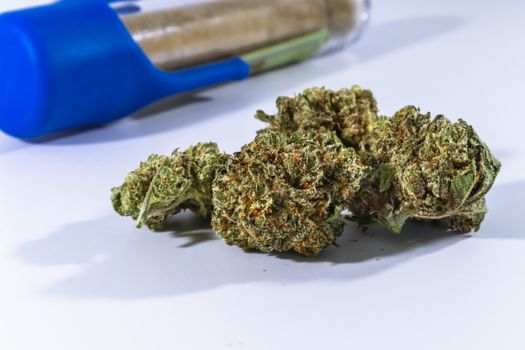
Detailed close-up of cannabis buds with a blue container in the background.Photo: Terrance Barksdale / Pexels
The rigid Sativa vs. Indica dichotomy is increasingly being replaced by a more nuanced understanding, driven by scientific advancements and the proliferation of hybrid strains. The concept of the 'entourage effect' is central to this evolution. This theory posits that the various compounds in cannabis – cannabinoids (like THC and CBD) and terpenes (aromatic compounds) – work synergistically to produce the plant's unique effects. It's not just about THC or CBD alone, but how they interact with each other and with the hundreds of other minor cannabinoids and terpenes. This complex interplay means that two Sativa-labeled strains could have vastly different effects if their terpene and cannabinoid profiles differ significantly. Similarly, an Indica strain with a high concentration of an uplifting terpene might not be as sedating as expected. Modern cannabis breeding has also led to an explosion of hybrid strains, which blend the genetics of both Sativa and Indica. These hybrids are often cultivated to achieve specific effects, combining the cerebral stimulation of a Sativa with the body relaxation of an Indica, or offering a balanced experience. This makes the traditional classification even less reliable as a predictor of effects. Instead of relying solely on the Sativa/Indica label, consumers are encouraged to look at detailed lab reports, which list the percentages of key cannabinoids and the dominant terpenes. This data provides a much more accurate roadmap to predicting a strain's potential effects, allowing for a truly personalized cannabis experience. When choosing, consider the overall chemical fingerprint, not just the broad category. **Tips for Navigating Modern Cannabis:** * **Prioritize Cannabinoid and Terpene Profiles:** Always ask for or look for lab reports detailing THC, CBD, and prominent terpenes. * **Understand Terpene Effects:** Research common terpenes like Myrcene (sedative), Limonene (uplifting), Pinene (alertness), Linalool (relaxing), and Caryophyllene (anti-inflammatory). * **Start Low, Go Slow:** Especially with new strains, begin with a small dose and wait to observe the effects before consuming more. * **Keep a Journal:** Document the strains you try, their profiles, and your personal reactions. This helps you identify what works best for you. * **Consult Budtenders:** Experienced dispensary staff can offer valuable insights based on product knowledge and customer feedback. * **Embrace Hybrids:** Don't shy away from hybrids; they often offer the most balanced and tailored experiences. * **Consider Consumption Method:** Vaping, edibles, and smoking can deliver effects differently, even with the same strain.

Comparison

FeatureTraditional SativaTraditional IndicaModern Hybrid (Balanced)
Plant AppearanceTall, slender, narrow leavesShort, bushy, broad leavesVariable, blend of both
Typical Effects (Perception)Energizing, uplifting, creativeRelaxing, sedating, body highBalanced, varied, customizable
Best For (Perception)Daytime, social, focusNighttime, relaxation, pain reliefAnytime, tailored experience
Dominant Terpenes (Common)Pinene, Limonene, TerpinoleneMyrcene, Linalool, CaryophylleneMix, dependent on genetics
Reliability of LabelDecreasingDecreasingHigh (when specified by profile)

What Our Readers Say

5 ★★★★★

"Before reading this, I always just asked for 'an Indica for sleep.' Now I understand it's more about the terpenes! My sleep has improved dramatically since I started looking at the full profile, not just the name."

5 ★★★★★

"This guide completely changed how I buy cannabis. I used to think Sativas were always for energy, but I found a 'Sativa' that's actually quite relaxing for me because of its unique terpene blend. Super informative!"

5 ★★★★★

"I was struggling to find a strain that helped with both anxiety and creativity. After reading about the entourage effect, I tried a specific hybrid with balanced terpenes and it's been a game-changer for my creative process."

4 ★★★★☆

"While the Sativa/Indica terms are still useful as a starting point, this article really highlights why digging deeper into cannabinoid and terpene profiles is essential. It's a bit more effort, but worth it for a better experience."

5 ★★★★★

"As a medical user, understanding the true science behind Sativa vs Indica effects explained here is invaluable. It empowered me to make more informed choices for pain relief and mood management, moving beyond old stereotypes."

Frequently Asked Questions

What is the main difference between Sativa and Indica effects explained simply?
Traditionally, Sativa is associated with uplifting, energizing, and cerebral effects, often called a 'head high,' while Indica is linked to relaxing, sedating, and body-focused effects, known as a 'body high.' However, modern science emphasizes that these effects are primarily driven by the specific cannabinoid and terpene profiles, not just the Sativa/Indica label.
Are the traditional Sativa and Indica classifications still accurate for predicting effects?
While the terms are still widely used in dispensaries and by consumers, they are increasingly considered oversimplified. Modern research and the prevalence of hybrid strains show that the unique combination of cannabinoids (like THC, CBD) and terpenes is a far more accurate predictor of a strain's effects than its Sativa or Indica classification alone.
How can I choose the right strain if Sativa and Indica labels aren't always reliable?
To choose the right strain, focus on the detailed lab reports provided by licensed producers. Look for the cannabinoid percentages (especially THC and CBD) and the dominant terpenes present. Research the known effects of these specific terpenes to better predict your experience. Don't hesitate to ask knowledgeable budtenders for guidance.
Does cannabis pricing differ between Sativa and Indica strains in Canada?
Generally, pricing in Canada is less about whether a strain is Sativa or Indica and more about its potency (THC/CBD levels), rarity, cultivation method, brand, and overall quality. Premium, high-THC, or unique terpene profile strains, regardless of classification, might command higher prices.
How do hybrids fit into the Sativa vs Indica discussion?
Hybrids are strains that contain genetics from both Sativa and Indica plants, often cultivated to achieve a specific blend of effects. They can lean Sativa-dominant, Indica-dominant, or be perfectly balanced, offering a wider spectrum of experiences that defy the strict Sativa/Indica binary. They highlight the need to look beyond simple classifications.
Who should prioritize understanding the nuances of Sativa vs Indica effects explained?
Anyone seeking a specific or consistent cannabis experience, especially medical users, those sensitive to certain effects, or connoisseurs, should prioritize understanding the nuances beyond simple Sativa/Indica labels. It allows for more precise selection and better management of desired outcomes.
Are there any risks associated with misinterpreting Sativa vs Indica effects?
Yes, misinterpreting effects can lead to an undesirable experience. For example, expecting relaxation from a strain labeled Indica that actually has an uplifting terpene profile could lead to anxiety or sleeplessness, and vice versa. Relying solely on these labels can result in disappointment or discomfort, especially for new users or those with specific medical needs.
What is the future trend for classifying cannabis strains?
The future of cannabis classification is moving towards a chemotype-based system, focusing on detailed cannabinoid and terpene profiles. This approach, often called 'chemovar,' provides a more accurate and scientific way to predict effects, moving away from the traditional, less precise Sativa/Indica botanical labels, and offering a truly personalized experience.

Armed with a deeper understanding of Sativa vs Indica effects explained, you're now ready to explore the diverse world of cannabis with confidence. Move beyond simple labels and embrace the science of cannabinoids and terpenes to unlock your perfect experience. Visit your local Canadian dispensary and ask for detailed strain profiles today!

Topics: Sativa vs Indica effects explainedcannabis strain differencesindica effectssativa effectshybrid cannabis
Leo List