
Unveiling Sativa vs Indica Cannabis Effects
Navigate the nuanced world of cannabis strains and discover how sativa and indica influence your experience.
Explore Strains NowKey Takeaways
- ✓ Sativa strains are traditionally associated with uplifting, energizing effects.
- ✓ Indica strains are commonly linked to relaxing, sedating effects.
- ✓ Modern cannabis breeding has led to numerous hybrid strains with mixed effects.
- ✓ Terpenes and cannabinoids beyond THC and CBD play a crucial role in a strain's overall effect.
How It Works
Familiarize yourself with the historical classification of Sativa and Indica, noting their distinct growth patterns and traditional associations. Recognize that these classifications are more a botanical distinction than a guarantee of specific effects.
Delve into the primary active compounds in cannabis, particularly THC (tetrahydrocannabinol) and CBD (cannabidiol). Understand how their ratios and presence contribute significantly to the overall psychoactive and therapeutic profile of a strain.
Explore the world of terpenes – aromatic compounds found in cannabis that influence flavor, aroma, and crucially, the effects. Learn how terpenes like myrcene, limonene, and pinene interact with cannabinoids to create the 'entourage effect'.
Consider your desired outcome, tolerance, and medical history when selecting a strain. Experiment responsibly with different strains, starting with low doses, to find what works best for your individual body chemistry and preferences.
The Historical Divide: Sativa vs. Indica Origins
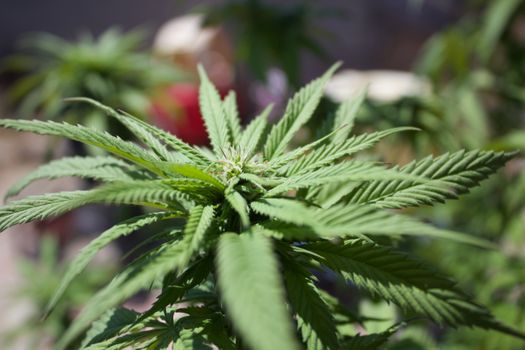 Photo: Maria Zee / Pexels
Traditionally, Sativa plants, with their origins in warmer climates, were cultivated for their fibrous stalks used in textiles and ropes, and were believed to produce more uplifting, cerebral, and energetic effects. Their growth pattern reflects this: taller, with sparse foliage, allowing for better airflow in humid environments. Indica plants, conversely, were thought to provide a more relaxing, body-centric, and sedating experience, often attributed to their shorter, denser structure which helped them thrive in harsher, colder climates. This distinction became a convenient shorthand for consumers and growers alike, simplifying a complex plant into easily digestible categories. However, modern cannabis science and cultivation practices have significantly blurred these lines.
The reality is that almost all cannabis strains available today, particularly in regulated markets like Canada, are hybrids—a genetic blend of both Sativa and Indica lineages. Decades of cross-breeding by cultivators aiming for specific traits, higher cannabinoid content, or unique terpene profiles have resulted in a genetic melting pot. Therefore, relying solely on the Sativa or Indica label to predict effects can be misleading. A strain labeled 'Sativa' might have Indica-leaning effects due to its cannabinoid and terpene profile, and vice versa. It’s crucial for consumers to move beyond these outdated generalizations and delve deeper into the chemical composition of the plant, specifically its cannabinoid and terpene profiles, to truly understand its potential effects. This shift in understanding is vital for anyone seeking a predictable and enjoyable cannabis experience, moving from broad categories to nuanced chemical signatures. Understanding the historical context helps us appreciate how these terms came to be, while also recognizing their limitations in the contemporary cannabis landscape. For more on the plant itself, explore the world of cannabis.
Beyond the Labels: The True Science Behind Cannabis Effects
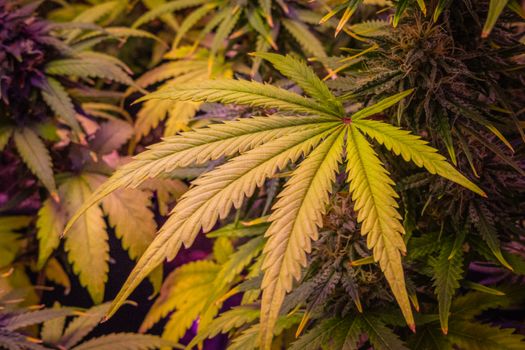 Photo: Keloke Grow / Pexels
However, cannabinoids alone don't tell the whole story. Terpenes, the aromatic compounds found in cannabis (and countless other plants), play an equally critical role. These organic compounds are responsible for the distinct aromas and flavors of different strains—think citrusy, piney, earthy, or floral. More importantly, terpenes interact synergistically with cannabinoids and with each other to modulate the overall effects, a phenomenon known as the 'entourage effect.' For example, myrcene, a common terpene found in many Indica-dominant strains, is known for its sedative properties. Limonene, often found in Sativa-dominant strains, is associated with mood elevation and stress relief. Pinene, another common terpene, may promote alertness and counter some of the short-term memory impairment associated with THC.
The specific combination and concentration of these terpenes, along with the cannabinoid profile, create the unique subjective experience of each strain. This means that two strains both labeled 'Indica' could have vastly different effects if their terpene and cannabinoid profiles differ significantly. Similarly, a 'Sativa' strain rich in a sedative terpene like myrcene might feel more relaxing than an 'Indica' strain dominated by stimulating terpenes.
This scientific understanding empowers consumers to make more informed choices. Instead of blindly trusting a Sativa or Indica label, individuals should seek out detailed lab reports (Certificates of Analysis, or COAs) that list the precise cannabinoid and terpene profiles of a given product. This allows for a more personalized approach to cannabis consumption, where desired effects are achieved by matching specific chemical compounds to individual preferences and needs, moving beyond the historical, but largely inaccurate, botanical classifications. The future of cannabis consumption lies in understanding these complex interactions, not in simplistic labels.
Navigating the Spectrum: Choosing Your Ideal Cannabis Experience
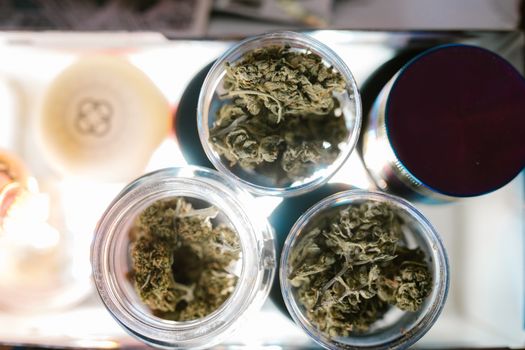 Photo: RDNE Stock project / Pexels
Next, pay close attention to the cannabinoid profile. If you're new to cannabis or sensitive to THC, start with strains that have a lower THC percentage or a balanced THC:CBD ratio. High-CBD strains or products with a significant CBD presence are excellent for those seeking therapeutic benefits without intense psychoactivity. For experienced users seeking a more potent experience, higher THC strains might be preferred, but always with an awareness of potential side effects like anxiety or paranoia, especially at higher doses.
The terpene profile is your next crucial guide. If you're looking for uplifting and energizing effects, seek strains rich in limonene (citrusy), pinene (piney), or caryophyllene (spicy, peppery). These terpenes are often associated with mental clarity and mood elevation. For relaxation and sedation, look for strains dominant in myrcene (earthy, musky), linalool (floral, lavender), or humulene (hoppy, woody). Many dispensaries, especially in regulated markets like Canada, provide detailed information on these profiles, often through online menus or knowledgeable staff. Don't hesitate to ask for a Certificate of Analysis (COA) to see the full breakdown.
Furthermore, consider the method of consumption. Vaping or smoking typically results in faster onset and shorter duration of effects, making it easier to gauge your reaction and adjust dosage. Edibles, on the other hand, have a delayed onset and much longer-lasting, often more intense effects, requiring a more cautious approach to dosing. Your individual body chemistry, tolerance, and even your current mood and environment (set and setting) can significantly influence your experience. What works for one person might not work for another.
It's advisable to start with small doses, especially when trying a new strain or consumption method, and gradually increase until you achieve the desired effect. Keep a journal of strains you try, noting their cannabinoid and terpene profiles, the consumption method, dosage, and the effects you experienced. This personal tracking will be invaluable in identifying which specific chemical combinations work best for you. By adopting this informed and personalized approach, you can move beyond the outdated Sativa vs. Indica labels and truly unlock the potential of cannabis to enhance your well-being. For more on responsible use, check out resources on safe cannabis consumption.
Optimizing Your Experience: Tips for Strain Selection and Responsible Use
 Photo: Los Muertos Crew / Pexels
- Prioritize Lab Reports (COAs): Always seek out strains with publicly available Certificates of Analysis. These reports detail the precise cannabinoid percentages (THC, CBD, CBG, etc.) and the dominant terpene profiles. This data is far more indicative of a strain's potential effects than its Sativa/Indica label.
- Understand Terpene Dominance: Familiarize yourself with common terpenes and their associated effects. For example, Myrcene is often sedative, Limonene uplifting, Pinene for focus, Linalool for relaxation, and Caryophyllene for anti-inflammatory properties. Look for strains where these terpenes are prominent if you're seeking those specific effects.
- Start Low, Go Slow: This golden rule applies universally, especially when trying a new strain or consumption method. Begin with a small dose (e.g., one puff, 2.5-5mg edible) and wait to observe the effects before considering more. This prevents overconsumption and allows you to gauge your individual sensitivity.
- Consider THC:CBD Ratios: For those sensitive to THC or seeking therapeutic benefits without intense psychoactivity, strains with a balanced THC:CBD ratio (e.g., 1:1) or higher CBD content can be excellent choices. CBD can modulate the effects of THC, potentially reducing anxiety or paranoia.
- Track Your Experiences: Keep a simple journal. Note the strain name, its cannabinoid and terpene profile (if available), the dosage, method of consumption, and the effects you experienced (both positive and negative). This personal data will help you identify patterns and make more informed choices in the future.
- Consult with Dispensary Staff: Licensed dispensaries in Canada employ knowledgeable staff (often called 'budtenders') who can offer personalized recommendations based on your desired effects and experience level. Be open and honest about what you're looking for.
- Be Mindful of Set and Setting: Your mental state (set) and the environment you're in (setting) can significantly impact your cannabis experience. Choose a comfortable, safe environment, especially when trying new strains or higher doses, and be in a positive headspace.
- Hydrate and Have Snacks: Cannabis can cause dry mouth and stimulate appetite. Keeping water and healthy snacks on hand can enhance comfort.
- Avoid Mixing with Alcohol or Other Substances: Combining cannabis with other substances can amplify effects in unpredictable ways and increase risks. Exercise caution or avoid altogether.
- Know Your Limits: Understand that cannabis affects everyone differently. What might be a mild dose for one person could be overwhelming for another. Respect your own tolerance and don't feel pressured to consume more than you're comfortable with.
Comparison
| Feature | Sativa (Traditional View) | Indica (Traditional View) | Modern Scientific View |
|---|---|---|---|
| Growth Pattern | Tall, lanky, sparse foliage | Short, bushy, dense foliage | Highly variable due to hybridization |
| Traditional Effects | Energizing, uplifting, cerebral | Relaxing, sedating, body high | Driven by cannabinoid & terpene profiles |
| Flowering Time | Longer (10-14 weeks) | Shorter (6-9 weeks) | Variable, often bred for efficiency |
| Primary Terpenes (Typical) | Limonene, Pinene, Terpinolene | Myrcene, Linalool, Caryophyllene | Any combination, strain-specific |
| Best for (Traditional) | Daytime use, creativity, focus | Nighttime use, relaxation, sleep | Personal preference based on chemical profile |
| Reliability of Label | ✗ | ✗ | ✓ (if based on lab data) |
What Readers Say
"I used to only buy 'Sativa' for my morning routine, but after reading about terpenes, I found a hybrid with high Limonene that gives me exactly the same uplifting sativa vs indica cannabis effects without the jitters. It's truly a game-changer for my productivity."
Alex P. · Vancouver, BC"For years, I sought out 'Indica' for sleep. Now I look for strains dominant in Myrcene, regardless of their Sativa/Indica label. The consistent relaxing effects I get are far more reliable, helping me manage my insomnia effectively."
Sarah L. · Toronto, ON"My doctor recommended a balanced THC:CBD strain for my chronic pain. I found a 'hybrid' that works wonders, proving that it's not just about sativa vs indica cannabis effects, but the specific cannabinoid ratios that truly make a difference for my relief."
Mark R. · Calgary, AB"While I still find myself gravitating towards the 'Sativa' label for daytime use, I've learned to check the terpene profiles. Sometimes an 'Indica-dominant' hybrid with a high Pinene content gives me the focus I need without the heavy body feel."
Jessica M. · Montreal, QC"As a medical user, understanding the science behind sativa vs indica cannabis effects has been invaluable. I track my preferred terpene and cannabinoid profiles, and it's led to much more consistent and therapeutic outcomes for my anxiety management."
David K. · Halifax, NSFrequently Asked Questions
What is the primary difference between sativa and indica cannabis effects?
Traditionally, Sativa has been associated with energizing, uplifting, and cerebral effects, while Indica is linked to relaxing, sedating, and body-focused effects. However, modern scientific understanding emphasizes that the actual effects are primarily determined by the specific cannabinoid and terpene profiles of a strain, rather than its botanical classification alone.
Are Sativa and Indica labels still useful in dispensaries?
While the labels 'Sativa' and 'Indica' are still widely used, they are increasingly seen as broad generalizations rather than accurate predictors of effects. Most strains today are hybrids. It's more beneficial to look for detailed lab reports (COAs) that list cannabinoid percentages and terpene profiles for a precise understanding of a strain's potential impact.
How can I choose a strain for specific effects if Sativa/Indica isn't reliable?
Focus on the cannabinoid content (THC, CBD ratios) and the dominant terpenes. For energy and focus, look for strains with Limonene or Pinene. For relaxation and sleep, seek Myrcene or Linalool. Start with low doses, observe your reaction, and consult with knowledgeable dispensary staff.
Does the cost of Sativa vs Indica strains differ?
Generally, the cost of cannabis strains in Canada is not determined by whether they are labeled Sativa or Indica. Price is more often influenced by factors like cannabinoid potency, unique terpene profiles, cultivation methods (indoor vs. outdoor), brand reputation, and overall market demand for specific, high-quality genetics.
How do hybrid strains fit into the sativa vs indica cannabis effects discussion?
Hybrid strains combine genetics from both Sativa and Indica plants, leading to a blend of characteristics. Their effects can range from Sativa-dominant to Indica-dominant, or be perfectly balanced, depending on their specific genetic lineage and chemical profile. Most modern strains are hybrids, making the Sativa/Indica classification even less precise.
Who should use sativa vs indica cannabis effects?
Individuals seeking uplifting, creative, or focused experiences might traditionally lean towards Sativa-like profiles (strains high in certain stimulating terpenes and THC). Those looking for relaxation, pain relief, or sleep aid might prefer Indica-like profiles (strains rich in sedative terpenes like Myrcene). Ultimately, the choice depends on individual needs, desired outcomes, and tolerance, guided by specific chemical profiles.
Are there any risks associated with choosing the 'wrong' type of cannabis?
Choosing a strain with effects opposite to your desired outcome isn't inherently dangerous, but can lead to an undesirable experience (e.g., feeling sleepy when you want to be alert, or anxious when you want to relax). High-THC strains, regardless of type, can cause anxiety or paranoia in sensitive individuals, emphasizing the importance of starting with low doses and understanding your tolerance.
What are the future trends in classifying cannabis effects?
The future of cannabis classification is moving towards a more scientific, chemovar-based approach. Instead of broad Sativa/Indica labels, strains will likely be categorized by their specific cannabinoid and terpene profiles, providing consumers with more precise information to predict effects and personalize their cannabis experience.
Unlock your ideal cannabis experience by moving beyond outdated labels. Explore the true science of sativa vs indica cannabis effects by focusing on cannabinoids and terpenes, and make informed choices for a more predictable and enjoyable journey.