Navigating Licensed Cannabis Growers California
licensed cannabis growers California

Navigating Licensed Cannabis Growers California

Unlock the world of legal cannabis cultivation in California for safe, high-quality products and responsible industry participation.

Explore Growers

Key Takeaways

  • ✓ California has the largest legal cannabis market in the world.
  • ✓ All commercial cannabis activity, including cultivation, requires state and local licensing.
  • ✓ Strict environmental and product safety standards govern licensed growers.
  • ✓ The Bureau of Cannabis Control (BCC) is a primary regulatory body for distribution and retail.

How It Works

1
State Licensing Application

Prospective growers apply to the California Department of Food and Agriculture (CDFA) for a cultivation license. This involves extensive documentation, including business plans, environmental impact reports, and proof of local authorization.

2
Local Authorization & Permits

Before state licensing, cultivators must secure local permits and comply with city or county ordinances. These local rules can vary significantly, impacting zoning, cultivation size, and operational requirements.

3
Compliance & Operations

Once licensed, growers must adhere to stringent regulations covering everything from pesticide use and water management to security and labor practices. Regular inspections and reporting are mandatory to maintain compliance.

4
Harvest, Testing & Distribution

After harvest, all cannabis products must undergo mandatory testing by state-licensed labs for potency, pesticides, heavy metals, and contaminants. Only compliant products can be distributed to licensed dispensaries and retailers.

Understanding California's Cannabis Cultivation Landscape
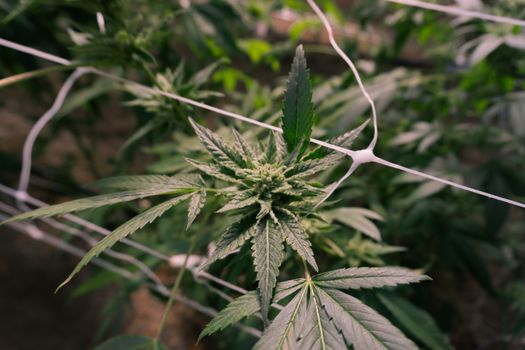
Detailed view of a cannabis plant flowering in an indoor greenhouse. Photo: Haley Bee / Pexels
California's journey to legal cannabis cultivation is a complex tapestry woven with historical roots, progressive legislation, and an evolving regulatory framework. Before Proposition 64 legalized adult-use cannabis in 2016, the state operated under a medical cannabis program that, while groundbreaking, lacked comprehensive statewide oversight, leading to a patchwork of local regulations and an often-unregulated market. The passage of Prop 64, also known as the Adult Use of Marijuana Act (AUMA), fundamentally reshaped this landscape, ushering in an era of strict licensing, testing, and distribution requirements designed to create a safe, transparent, and economically viable cannabis industry. For anyone looking to navigate the world of licensed cannabis growers California, understanding this foundational shift is paramount. The state's regulatory approach is bifurcated, requiring both state and local licenses for all commercial cannabis activities, including cultivation. The California Department of Food and Agriculture (CDFA), through its CalCannabis Cultivation Licensing program, is the primary state agency responsible for licensing cannabis cultivators. This program ensures that growers adhere to strict environmental protection measures, track their products from seed to sale, and comply with state labor laws. Simultaneously, local jurisdictions (cities and counties) maintain significant autonomy, establishing their own ordinances regarding cannabis businesses. This means a prospective grower must not only secure a state license but also obtain all necessary permits and approvals from their specific city or county. This dual licensing requirement often creates a significant hurdle, as local regulations can vary dramatically, with some areas embracing cannabis cultivation and others imposing outright bans or severe restrictions. The complexity of these regulations is designed to protect public health and safety, prevent illicit market activity, and mitigate environmental impacts, but it also necessitates a deep understanding of the legal framework for anyone serious about becoming a licensed cannabis grower in California. The legal framework also includes strict guidelines on water usage, energy efficiency, and waste management, reflecting California's commitment to sustainable agricultural practices. Furthermore, the track-and-trace system, managed through Metrc, is a crucial component, ensuring accountability and transparency throughout the supply chain, from the moment a seed is planted to the point a product is sold to a consumer. This system is vital for preventing diversion to the illicit market and for facilitating product recalls if necessary. The overall goal is to establish a robust, legitimate industry that can effectively compete with and eventually displace the long-standing black market, providing consumers with safe, tested, and high-quality cannabis products. The evolution of these regulations is continuous, requiring licensed operators to stay informed and adapt to new requirements and best practices. This dynamic environment underscores the importance of professional guidance and thorough due diligence for all participants in California's cannabis sector.

The Rigorous Path to Becoming a Licensed Cultivator
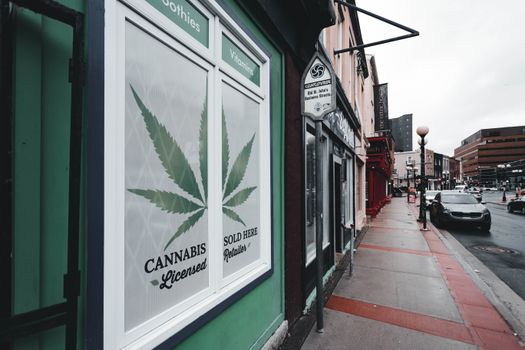
Street view of licensed cannabis retailer sign in urban setting with storefronts and cars. Photo: Erik Mclean / Pexels
The journey to becoming a licensed cannabis grower in California is not for the faint of heart, demanding meticulous planning, substantial investment, and unwavering commitment to compliance. The process begins with securing local authorization. Before a cultivator can even apply for a state license, they must demonstrate that their proposed operation is permitted by their local jurisdiction. This often involves navigating complex zoning laws, obtaining conditional use permits, and satisfying local environmental and community impact reviews. Some cities and counties have specific caps on the number of cultivation licenses they will issue, or they might restrict cultivation to certain industrial or agricultural zones. This local approval process can be lengthy and challenging, requiring extensive engagement with local government officials and community stakeholders. Once local approval is secured, the next major step is applying for a state cultivation license through the CalCannabis Cultivation Licensing program. This application is incredibly detailed, requiring a comprehensive business plan, proof of legal access to water, a detailed cultivation plan, environmental compliance documents, and a robust security plan. Applicants must also undergo a thorough background check. The CDFA categorizes cultivation licenses based on the canopy size and the type of cultivation (e.g., outdoor, indoor, mixed-light, specialty cottage). Each license type has specific requirements and fees, and understanding which license best fits one's operational model is crucial. For instance, a small-scale outdoor grower will have different requirements than a large indoor facility. The application also requires a detailed diagram of the premises, demonstrating compliance with setback requirements, security measures, and designated areas for cultivation, processing, and storage. Furthermore, applicants must provide a robust environmental impact assessment, detailing how they plan to manage water usage, prevent runoff, and minimize their carbon footprint. California’s commitment to environmental sustainability is deeply embedded in its cannabis regulations, pushing growers towards eco-friendly practices. The financial burden is also significant, encompassing application fees, licensing fees, legal counsel, consultants, and the substantial costs associated with building out compliant facilities. Moreover, maintaining compliance is an ongoing endeavor, with regular inspections, mandatory reporting, and adherence to evolving regulations. This includes strict adherence to pesticide use guidelines, ensuring all products are free from harmful contaminants, and participating in the state's seed-to-sale track-and-trace system. For licensed cannabis growers California, this rigorous path ensures that only serious, responsible operators enter the legal market, contributing to a safer and more reputable industry. The initial capital investment alone can range from hundreds of thousands to several millions of dollars, depending on the scale and type of operation. This financial barrier, coupled with the regulatory complexities, means that successful entry into California's licensed cannabis market requires not only agricultural expertise but also strong business acumen and a deep understanding of the legal and regulatory environment. The commitment to ethical labor practices, fair wages, and safe working conditions is also increasingly scrutinized, adding another layer of responsibility for licensed cultivators.

Ensuring Quality and Safety: The Role of Testing and Compliance

Macro shot of a cannabis bud on paper held by tweezers in warm lighting. Photo: Jess Loiterton / Pexels
One of the cornerstones of California's legal cannabis market, and a primary differentiator from the illicit market, is the stringent regime of mandatory product testing and ongoing compliance. For licensed cannabis growers California, ensuring their products meet these rigorous standards is not merely a legal obligation but a fundamental aspect of consumer trust and market viability. Before any cannabis product can be sold to consumers, it must undergo comprehensive testing by a state-licensed third-party laboratory. These labs are independent entities, ensuring unbiased analysis, and they are regulated by the Department of Cannabis Control (DCC), which oversees all aspects of the commercial cannabis market. The required tests are extensive and designed to detect a wide range of potential contaminants and to verify product potency and purity. Key tests include cannabinoid profiling (THC, CBD, etc.), terpene analysis, pesticide screening (testing for over 60 different pesticides), heavy metal detection (lead, arsenic, cadmium, mercury), residual solvent analysis for extracted products, microbial contaminants (mold, mildew, bacteria like E. coli and Salmonella), and foreign material inspection. Any product that fails to meet these strict safety thresholds cannot enter the legal market and must be remediated or destroyed. This commitment to testing provides consumers with an unparalleled level of confidence in the safety and quality of licensed cannabis products, a stark contrast to the untested and potentially dangerous products found in the black market. Beyond initial product testing, licensed growers face continuous compliance obligations. This includes adhering to strict packaging and labeling requirements, which mandate clear information about product potency, ingredients, origin, and safety warnings. Growers must also meticulously track their products through the state's seed-to-sale tracking system, Metrc, from cultivation to distribution. This system provides real-time data on every plant and product, preventing diversion and ensuring accountability throughout the supply chain. Regular inspections by state and local authorities are also part of the compliance landscape, with regulators verifying adherence to cultivation practices, security protocols, and record-keeping. Non-compliance can result in hefty fines, license suspension, or even revocation, underscoring the importance of maintaining impeccable operational standards. For consumers, choosing products from licensed cannabis growers California means opting for products that have been cultivated under regulated conditions, harvested with care, and thoroughly tested for safety and potency, offering peace of mind and a superior experience. The continuous evolution of testing protocols and regulatory updates means that cultivators must invest in ongoing education and quality control measures to stay ahead. This includes internal testing procedures, regular training for staff, and robust data management systems to ensure all compliance requirements are met. The investment in quality assurance is not just a cost, but a critical component of building a sustainable and reputable brand in the competitive California cannabis market.

Challenges and Opportunities for California's Licensed Cultivators

Close-up of a cannabis leaf on a US hundred dollar bill, highlighting cannabis culture and economy. Photo: Kindel Media / Pexels
The landscape for licensed cannabis growers in California is characterized by both significant opportunities and formidable challenges. On the opportunity side, California boasts the largest legal cannabis market in the world, offering immense potential for growth and innovation. The state's diverse microclimates allow for a wide range of cultivation methods and product types, from sun-grown outdoor flower to highly controlled indoor operations. Furthermore, California consumers are increasingly sophisticated, demanding high-quality, sustainably produced, and ethically sourced cannabis, creating a premium market segment for compliant growers. The legal framework also fosters innovation in genetics, cultivation techniques, and processing, allowing California to remain at the forefront of cannabis science and product development. There's also the opportunity to build strong, recognizable brands that resonate with consumers who value transparency, quality, and responsible business practices. However, these opportunities are often overshadowed by significant challenges. One of the most pressing issues is the high tax burden imposed on licensed operators, including cultivation taxes, excise taxes, and local business taxes. These taxes significantly increase the cost of legal cannabis, making it difficult for licensed businesses to compete with the illicit market, which operates tax-free. Another major challenge is the lingering presence of the black market, which continues to thrive due to lower prices and less stringent regulations. This competition diverts potential revenue from licensed businesses and undermines the regulatory goals of public safety and consumer protection. Regulatory complexity and the associated costs are also substantial hurdles. The constant need to adapt to evolving state and local regulations, coupled with the expense of compliance officers, legal counsel, and specialized consultants, adds considerable overhead. Environmental regulations, while crucial for sustainability, also add to operational costs, particularly for water management and energy consumption. Access to capital remains a significant issue, as federal prohibition limits access to traditional banking services and loans, forcing many licensed cannabis growers California to rely on private investors or self-funding, often at higher interest rates. Workforce development and labor compliance are also emerging challenges, ensuring fair wages, safe working conditions, and compliance with all state labor laws in a rapidly growing industry. Despite these hurdles, the long-term outlook for licensed cannabis growers in California remains optimistic for those who can adapt, innovate, and build strong, compliant businesses. The key to success lies in operational efficiency, brand differentiation, and a relentless focus on quality and compliance to capture the discerning consumer market. The ongoing efforts to reform tax structures and combat the illicit market offer hope for a more level playing field in the future. Furthermore, as federal legalization becomes more probable, licensed California growers are uniquely positioned to expand their operations and expertise to national and even international markets, leveraging their experience in a highly regulated environment. Investing in sustainable practices, developing unique strains, and fostering strong community relationships will be crucial for long-term success.

Comparison

FeatureLicensed GrowerIllicit Grower (Black Market)Home Cultivation (Personal Use)
LegalityFully Legal (State & Local)IllegalLegal (up to 6 plants per household)
Product TestingMandatory Lab TestingNoneNone (personal choice)
Pesticide UseStrictly RegulatedUnknown/Potentially HarmfulPersonal discretion
Consumer SafetyHigh AssuranceLow/Unknown AssurancePersonal Assurance
Tax ContributionSignificant State & Local TaxesNoneNone
Environmental StandardsRegulated & MonitoredOften disregardedPersonal discretion
Market AccessLicensed Dispensaries/DeliveryUnregulated ChannelsPersonal Use Only
Quality ControlHigh Standards & TraceabilityVariable/UnreliablePersonal control

What Readers Say

"Finding truly licensed cannabis growers in California has transformed my understanding of quality. The transparency in testing and cultivation practices means I always feel confident in what I'm consuming. It's worth the slight premium for peace of mind."

Sarah J. · Oakland, CA

"As a medical patient, the safety and consistency from licensed growers is paramount. I appreciate the rigorous testing for pesticides and contaminants, ensuring I get a clean product every time. It's a huge step up from previous unregulated sources."

David L. · Santa Rosa, CA

"I used to buy from various sources, but after learning about the strict regulations for licensed cannabis growers California, I exclusively purchase from legal dispensaries. The difference in product quality and effect is noticeable, resulting in a much better experience."

Emily R. · Los Angeles, CA

"While the prices can sometimes be higher, the reliability and safety that comes from licensed cultivators are undeniable. I wish the tax structure was a bit more favorable to help these businesses compete, but I still prioritize buying legal."

Mark T. · San Diego, CA

"As someone who appreciates sustainable practices, I actively seek out licensed cannabis growers in California that prioritize environmental stewardship. The transparency in their water usage and organic certifications makes a real difference to me."

Jessica M. · Humboldt County, CA

Frequently Asked Questions

What is the primary difference between licensed and unlicensed cannabis growers in California?

Licensed cannabis growers in California operate under strict state and local regulations, undergoing mandatory product testing for safety and potency, adhering to environmental standards, and contributing taxes. Unlicensed growers operate illegally, with no oversight, testing, or consumer protections, often leading to unsafe or mislabeled products.

How can I verify if a cannabis grower or product is licensed in California?

You can verify licensed cannabis businesses, including cultivators, through the Department of Cannabis Control's (DCC) online license search tool. Additionally, all legal cannabis products sold in California must have specific packaging and labeling that includes a unique batch number, testing results, and the DCC's universal symbol. Always purchase from licensed dispensaries or delivery services.

What are the environmental regulations for licensed cannabis growers in California?

Licensed growers must comply with numerous environmental regulations, including strict water conservation plans, waste management protocols, energy efficiency standards, and restrictions on pesticide use. Many are also required to conduct environmental impact assessments and obtain specific water permits to minimize their ecological footprint.

Are products from licensed cannabis growers more expensive than those from the black market?

Generally, yes. Products from licensed cannabis growers are often more expensive due to the significant costs associated with compliance, licensing fees, mandatory testing, and the high tax burden imposed by state and local governments. These costs are reflected in the retail price, but they also guarantee a higher level of safety, quality, and transparency.

How does California's track-and-trace system (Metrc) benefit consumers?

California's Metrc track-and-trace system ensures that every cannabis plant and product is accounted for from 'seed to sale.' For consumers, this means greater transparency, accountability, and the ability to trace a product back to its licensed origin. It helps prevent illicit products from entering the legal supply chain and facilitates recalls if safety issues arise.

Who should prioritize purchasing from licensed cannabis growers California?

Anyone seeking safe, high-quality, and reliable cannabis products should prioritize purchasing from licensed cannabis growers in California. This is especially crucial for medical patients, individuals new to cannabis, or those concerned about product purity, potency, and the environmental and social responsibility of their cannabis source. It also supports the legal, regulated market.

What are the risks of buying cannabis from an unlicensed grower or dealer?

The risks include exposure to harmful pesticides, heavy metals, mold, and other contaminants due to a lack of testing. Products may be mislabeled regarding potency, leading to unpredictable effects. There's also no recourse for faulty products, and purchasing from the illicit market supports criminal enterprises rather than the regulated industry.

What future trends are expected for licensed cannabis growers California?

Future trends include continued consolidation within the industry, increased focus on sustainable and organic cultivation practices, further refinement of regulations to enhance market competitiveness, and potential for federal legalization which could open interstate commerce. We may also see more specialized product offerings and a greater emphasis on brand differentiation and consumer education.

Embrace the safe, legal, and quality-assured world of cannabis by choosing products from licensed cannabis growers California. Prioritize your well-being and support a responsible industry by making informed purchasing decisions. Explore the diverse range of certified products available today.

Topics: licensed cannabis growers CaliforniaCalifornia cannabis cultivationcannabis regulations CAlegal cannabis growerscannabis farming California
Leo List

IE Escorts NO Escorts US Escorts NZ Escorts AU Escorts
Brampton weed
Adultwork EstrelaBet Vai de Bet R7 Bet Betão Galera Bet Rainbet Bet9ja Shop SportyBet BetKing Sisal Loto Foot Hollywoodbets YesPlay Odibets RushBet Jugabet BetWarrior BetCity MSport betPawa Fortebet