Navigating Cannabis Laws California: Your Complete Guide
cannabis laws California

Navigating Cannabis Laws California: Your Complete Guide

Unlock comprehensive clarity on California's evolving cannabis regulations for safe and legal engagement.

Explore Your Rights

Key Takeaways

  • ✓ Recreational cannabis is legal for adults 21+ in California.
  • ✓ Adults can possess up to 1 ounce (28.5 grams) of cannabis flower and 8 grams of concentrated cannabis.
  • ✓ Individuals can cultivate up to six cannabis plants at home for personal use.
  • ✓ Public consumption and consumption in areas where tobacco is prohibited are illegal.

How It Works

1
Understand Personal Possession Limits

Familiarize yourself with the maximum amounts of cannabis flower and concentrates you can legally possess. Exceeding these limits can lead to significant legal consequences.

2
Know Where You Can Consume

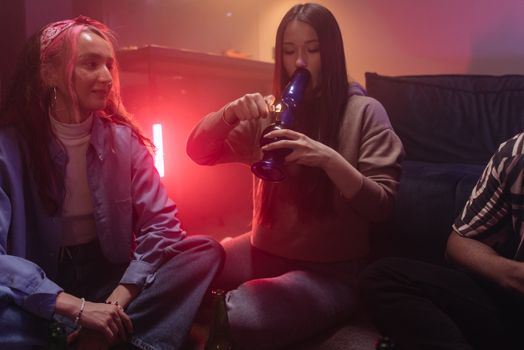
Consumption is restricted to private property, generally out of public view. Public consumption, including in parks, restaurants, and vehicles, remains illegal.

3
Learn About Home Cultivation Rules

If you plan to grow your own cannabis, understand the plant count limits and ensure your grow space is secure and not publicly visible. Local ordinances may impose further restrictions.

4
Comply with Purchase Regulations

Only purchase cannabis from licensed dispensaries. Be prepared to show valid identification proving you are 21 years or older, or possess a valid medical recommendation.

The Evolution of Cannabis Laws California: A Historical Perspective

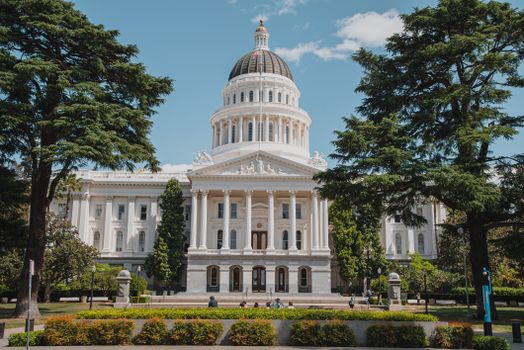
Beautiful sunlit view of the California State Capitol building with classic columns and vibrant blue sky. Photo: Robert So / Pexels
California has long been at the forefront of cannabis reform in the United States, carving a path that many other states have since followed. The journey began officially in 1996 with the passage of Proposition 215, also known as the Compassionate Use Act. This landmark legislation made California the first state to legalize medical cannabis, allowing patients with a doctor’s recommendation to possess and cultivate cannabis for personal medical use. This monumental step recognized the therapeutic potential of the plant and provided a legal framework for patients to access it, albeit with initial ambiguities that led to various local interpretations and enforcement challenges. The Compassionate Use Act laid the groundwork for a burgeoning medical cannabis industry, establishing dispensaries and cultivation sites across the state, even as it operated in a gray area under federal prohibition. Over the years, numerous attempts were made to further refine and expand California's cannabis regulations, addressing issues of patient access, product safety, and regulatory oversight. These efforts culminated in the Medical Cannabis Regulation and Safety Act (MCRSA) in 2015, which created a comprehensive licensing and regulatory framework for commercial medical cannabis activity. MCRSA sought to bring structure and legitimacy to the industry, imposing stricter standards on cultivation, manufacturing, testing, and distribution. However, the landscape shifted dramatically with the passage of Proposition 64, the Adult Use of Marijuana Act (AUMA), in November 2016. This initiative legalized recreational cannabis for adults 21 and older, marking a pivotal moment not just for California, but for the entire nation. Prop 64 built upon the foundation of medical cannabis laws, integrating many of MCRSA's provisions while also establishing a new framework for adult-use sales and consumption. It allowed for the personal possession of specific amounts of cannabis, home cultivation, and the creation of a regulated retail market. The implementation of Prop 64 was complex, requiring the state to develop new agencies and regulations, leading to a transition period where both medical and recreational markets coexisted and eventually merged under a unified regulatory system. This period saw the creation of the Bureau of Cannabis Control (BCC), now the Department of Cannabis Control (DCC), which oversees all commercial cannabis licenses for cultivation, manufacturing, testing, distribution, and retail sales. The comprehensive nature of these reforms meant a significant overhaul of existing legal frameworks, aiming to create a safe, regulated, and profitable cannabis industry while addressing public health and safety concerns. The state's approach has been characterized by a blend of progressive reform and cautious regulation, attempting to balance economic opportunity with social responsibility. Understanding this historical progression is crucial for anyone navigating the current cannabis laws in California, as the present regulations are deeply rooted in these foundational legislative acts.

Understanding Personal Use & Possession Limits in California

Green cannabis plant illuminated against a dark background showcasing fresh leaves and growth. Photo: Kindel Media / Pexels
For adults aged 21 and over, California's cannabis laws permit specific personal use and possession limits. It’s crucial to adhere to these limits to avoid legal repercussions. The most commonly cited limits allow individuals to possess up to 1 ounce (28.5 grams) of non-concentrated cannabis, which primarily refers to dried flower. For concentrated cannabis, such as oils, waxes, or edibles, the limit is 8 grams. These limits apply to personal possession, meaning the amount an individual can carry on their person or store in their residence for personal use. It's important to note that these limits are cumulative; you cannot possess 1 ounce of flower *and* 8 grams of concentrate *and* additional amounts in other forms if the total exceeds the spirit of the law in terms of THC content, although specific legal battles continue to clarify these nuances. Beyond possession, adults are also permitted to cultivate up to six cannabis plants per residence for personal use. This home cultivation must occur in a secure, private location that is not visible from a public place. Local jurisdictions may impose additional restrictions on home cultivation, such as requiring plants to be grown indoors or within an enclosed structure, or limiting the total number of plants per parcel regardless of the number of adults living there. Therefore, it is always advisable to check local municipal codes in addition to state law. These cultivation provisions are designed to allow individuals to grow their own supply without creating a commercial operation. Selling any home-grown cannabis without a license is strictly prohibited and carries significant penalties. Another critical aspect of personal use involves consumption. While legal to possess, consumption of cannabis is generally restricted to private property. Public consumption, including smoking or vaping cannabis in public places, schools, or in areas where tobacco use is prohibited, remains illegal. This includes parks, sidewalks, restaurants, and within 1,000 feet of a school, day care center, or youth center while children are present. Driving under the influence of cannabis is also strictly prohibited and carries penalties similar to those for driving under the influence of alcohol. Even having an open container of cannabis in a vehicle, much like alcohol, is illegal. Cannabis products must be transported in a sealed package or in the trunk of the vehicle. Understanding these nuanced rules about possession, cultivation, and consumption is fundamental for anyone engaging with cannabis in California to remain compliant with state law and avoid potential fines or criminal charges. The emphasis is on responsible adult use within defined boundaries, ensuring public safety and order while allowing personal freedom.

Navigating Commercial Cannabis Operations and Licensing

Cannabis buds in glass jars on a wooden board indoors with soft lighting. Photo: RDNE Stock project / Pexels
California’s commercial cannabis market is one of the largest and most complex in the world, operating under a robust licensing and regulatory framework managed by the Department of Cannabis Control (DCC). For any individual or entity looking to participate in the commercial cannabis industry—whether as a cultivator, manufacturer, distributor, retailer, or tester—obtaining the appropriate state license is paramount. The licensing process is multi-layered, requiring applicants to first secure a local permit or authorization from the city or county where their business will operate, and then apply for a state license. This dual-licensing requirement means that even if a state license is approved, a business cannot operate without local approval, and vice versa. Local jurisdictions have significant autonomy in deciding whether to permit commercial cannabis activity within their borders, and if so, what types of businesses and how many. This has led to a patchwork of regulations across the state, with some cities embracing the industry and others maintaining strict prohibitions. The types of state licenses available cover the entire supply chain, from seed to sale. Cultivation licenses are categorized by size and growing method (e.g., indoor, outdoor, mixed-light). Manufacturing licenses differentiate between those producing edibles, concentrates, or topicals. Distribution licenses ensure products move securely between licensed entities, while testing laboratories are crucial for ensuring product safety and potency before anything reaches consumers. Retail licenses permit dispensaries to sell directly to consumers. Each license type comes with its own set of stringent requirements, including detailed business plans, environmental impact assessments, security protocols, and strict adherence to packaging, labeling, and testing standards. The application process is rigorous, often requiring significant capital investment and a deep understanding of both state and local regulations. Compliance is an ongoing obligation for licensed businesses. The DCC conducts regular inspections, audits, and investigations to ensure that licensees are operating within the bounds of the law. Violations can lead to fines, license suspension, or even revocation. Furthermore, all commercial cannabis products sold in California must undergo mandatory testing for pesticides, heavy metals, microbial contaminants, and cannabinoid potency. This ensures consumer safety and product quality, building trust in the regulated market. The tax structure for commercial cannabis is also significant, with excise taxes levied on retail sales and cultivation taxes based on the weight of harvested cannabis. These taxes contribute substantial revenue to the state, earmarked for various public services, including youth education, environmental protection, and public safety. Navigating the commercial side of cannabis in California demands meticulous planning, substantial investment, and unwavering commitment to regulatory compliance.

Common Pitfalls and Best Practices for Cannabis Consumers in California

Hands holding a lighter and cannabis joint inside a car, outdoors. Photo: Julia Avamotive / Pexels
While California's cannabis laws offer significant freedoms, several common pitfalls can lead to legal trouble for consumers. Understanding these can help you enjoy cannabis responsibly and legally. Firstly, driving under the influence (DUI) of cannabis is a major offense. Even if you feel capable, impairment can be subtle, and law enforcement is increasingly trained to detect cannabis-impaired driving. The best practice is simple: if you consume, do not drive. Arrange for a designated driver or use rideshare services. Secondly, public consumption remains illegal. Many people mistakenly believe that because cannabis is legal, they can consume it anywhere. This is incorrect. Stick to private residences or licensed consumption lounges where available. Avoid consuming in parks, on sidewalks, or in vehicles. Another frequent mistake involves purchasing from unlicensed sources. The black market still exists, and while prices might seem lower, these products are unregulated, untested, and potentially unsafe. Always purchase from a licensed dispensary; look for the state license number prominently displayed. Furthermore, transporting cannabis across state lines, even to other legal states, is a federal crime. Federal law still classifies cannabis as an illegal Schedule I drug, making interstate transport a serious offense. Here are some best practices to ensure compliance: * **Always Carry ID:** Be prepared to show a valid government-issued ID proving you are 21 or older when purchasing cannabis. * **Understand Local Ordinances:** While state law sets baseline rules, cities and counties can impose stricter regulations, especially concerning home cultivation and the location of dispensaries. Always check local laws. * **Proper Storage:** Store cannabis in child-resistant packaging, out of reach of minors and pets. This is not just a safety measure but often a legal requirement. * **Know Your Limits:** Adhere strictly to the personal possession and cultivation limits. Don't assume more is acceptable. * **Educate Yourself:** Stay informed about changes in cannabis law. Regulations can evolve, and ignorance is not a valid defense. By following these best practices, consumers can confidently navigate the complexities of cannabis laws in California, ensuring a safe and legal experience.

Comparison

FeatureRecreational (Adult Use)Medical (Patient Use)Federal Law
Age Requirement21+18+ with doctor's recommendationIllegal (any age)
Possession Limit (Flower)1 oz (28.5g)Up to 8 oz (226.8g) with recommendationIllegal
Possession Limit (Concentrates)8gUp to 8g (or more with recommendation)Illegal
Home Cultivation6 plants per residenceUp to 6 mature/12 immature plants (or more with recommendation)Illegal
Public ConsumptionN/A
Purchase SourceLicensed DispensariesLicensed DispensariesN/A

What Readers Say

"This guide on cannabis laws California was incredibly helpful! It clarified so many confusing points about possession limits and public consumption. I feel much more confident about staying compliant now."

Sarah J. · Los Angeles, CA

"As a new resident, understanding California's marijuana laws was daunting. This article broke down the medical vs. recreational differences and home cultivation rules perfectly. A must-read!"

Mark T. · San Francisco, CA

"The section on commercial licensing really opened my eyes to the complexities of the industry. It's clear that California takes its cannabis regulations seriously, which ultimately benefits consumers like me."

Jessica L. · San Diego, CA

"Very thorough overview. I appreciate the historical context and the practical tips for consumers. My only minor suggestion would be more specific examples of local ordinances, but overall, excellent resource for cannabis laws California."

David R. · Sacramento, CA

"I used to be confused about transporting cannabis in my car, but this guide made it crystal clear. Knowing the open container laws for cannabis is just as important as for alcohol. Saved me potential trouble!"

Emily C. · Oakland, CA

Frequently Asked Questions

What is the legal age to purchase and consume cannabis in California?

The legal age to purchase and consume recreational cannabis in California is 21 years old. For medical cannabis, individuals aged 18 and older can obtain it with a valid doctor's recommendation and a state-issued medical marijuana identification card.

Can I consume cannabis in public places in California?

No, public consumption of cannabis, including smoking, vaping, or eating edibles, is illegal in California. This includes parks, sidewalks, restaurants, and within 1,000 feet of a school, day care center, or youth center while children are present.

How many cannabis plants can I grow at home in California?

Adults 21 and over can cultivate up to six cannabis plants per private residence for personal use. These plants must be grown in a secure area not visible from a public place. Local ordinances may impose additional restrictions, so always check with your city or county.

What are the taxes on cannabis products in California?

Cannabis products in California are subject to several taxes: a state excise tax (currently 15% of the average market price), a cultivation tax (based on weight), and local sales taxes (which vary by jurisdiction). These taxes are usually included in the final price you see at a dispensary.

Is it legal to drive with cannabis in my car in California?

Yes, it is legal to drive with cannabis in your car, but it must be in a sealed container or stored in the trunk of the vehicle. Driving under the influence of cannabis is illegal and carries penalties similar to those for driving under the influence of alcohol.

Who should be particularly aware of cannabis laws California?

Anyone living in or visiting California who intends to use, possess, or cultivate cannabis should be thoroughly aware of these laws. This includes medical patients, recreational users, and especially those considering entering the commercial cannabis industry, as regulations are complex and strict.

What are the risks of buying cannabis from unlicensed sources?

Buying cannabis from unlicensed sources carries significant risks, including potential legal penalties for both the buyer and seller. More importantly, unlicensed products are not subject to mandatory state testing, meaning they could contain harmful pesticides, heavy metals, or other contaminants, and their potency might be inaccurately labeled, posing health risks.

How might cannabis laws California evolve in the future?

Cannabis laws in California are constantly evolving. Future changes might include further refinement of local control, adjustments to tax rates, potential interstate commerce agreements, and continued efforts to address social equity in the cannabis industry. Staying informed through official state resources is always recommended.

Understanding cannabis laws California is essential for safe and legal engagement with the plant. Empower yourself with knowledge to make informed decisions, whether you're a consumer, patient, or aspiring business owner in the Golden State's dynamic cannabis landscape.

Topics: cannabis laws CaliforniaCalifornia marijuana lawsprop 64 Californiamedical cannabis Californiarecreational cannabis California
Leo List
Brampton weed
Adultwork