✓ Possession limits apply to flower and concentrates.
✓ Medical cannabis patients have expanded rights.
✓ Home cultivation is permitted with specific limits.
How It Works
1
Understand Personal Use Limits
Familiarize yourself with the maximum amounts of cannabis flower and concentrates you can legally possess and transport. These limits are crucial for avoiding legal issues.
2
Learn Cultivation Rules
If you plan to grow cannabis at home, know the plant count limits and ensure your cultivation area is secure and out of public view. Specific regulations apply to both recreational and medical growers.
3
Distinguish Medical vs. Recreational
While both are legal, medical cannabis patients often have higher possession and cultivation limits, along with tax benefits. Understand the requirements for obtaining a medical recommendation.
4
Comply with Consumption Regulations
Know where you can and cannot consume cannabis. Public consumption is generally prohibited, and specific rules apply to driving under the influence and consumption near schools or children.
The Evolution of Cannabis Laws in California: A Historical Perspective
Photo: Cannafornia / Pexels
California has long been at the forefront of cannabis reform in the United States. Its journey began in 1996 with the passage of Proposition 215, the Compassionate Use Act, which legalized medical cannabis. This landmark legislation made California the first state to allow patients with qualifying conditions to legally obtain and use marijuana with a physician's recommendation. For two decades, the medical cannabis framework evolved, with various attempts to regulate the burgeoning industry. The initial lack of comprehensive state-level regulation led to a patchwork of local ordinances, creating a complex and often confusing landscape for patients, caregivers, and businesses alike. This period saw the rise of dispensaries operating under varying degrees of local oversight, some thriving, others facing legal challenges from federal authorities. The intent of Prop 215 was clear: to provide relief to suffering individuals. However, its implementation highlighted the need for a more robust and clearly defined regulatory system that could address issues of supply, distribution, quality control, and public safety. This foundational period laid the groundwork for future reforms, demonstrating both the public demand for cannabis access and the challenges of integrating a previously illicit substance into a regulated market. The experience gained during the medical cannabis era proved invaluable when the state considered broader legalization. Understanding this historical context is crucial for appreciating the current state of cannabis laws California, as many of the principles and challenges from the medical era informed the development of adult-use regulations. The state learned valuable lessons about licensing, taxation, and the importance of addressing both public health and economic considerations. This long and winding path reflects California's pioneering spirit and its commitment to shaping cannabis policy for the nation. The transition from medical-only to adult-use was not a simple flip of a switch but a carefully considered progression built on years of experience and public discourse. The state's approach has often been emulated by other jurisdictions, making California a critical case study in cannabis policy development.
Proposition 64: The Adult-Use of Marijuana Act Explained
Photo: Sadi Hockmuller / Pexels
In 2016, California voters overwhelmingly approved Proposition 64, officially known as the Adult Use of Marijuana Act (AUMA), fundamentally reshaping the landscape of cannabis laws California. This monumental initiative legalized the recreational use of cannabis for adults aged 21 and older, making California one of the largest economies in the world to embrace full legalization. Prop 64 did more than just permit adult use; it established a comprehensive regulatory framework for the cultivation, manufacture, distribution, and sale of cannabis products. Key provisions of AUMA include allowing adults to possess up to 28.5 grams (one ounce) of non-concentrated cannabis and up to 8 grams of concentrated cannabis. Furthermore, individuals are permitted to cultivate up to six cannabis plants for personal use at their private residence, provided these plants are kept in a secure, locked space and are not visible from a public place. The Act also created two new state agencies, the Bureau of Cannabis Control (now the Department of Cannabis Control), the California Department of Food and Agriculture (CalCannabis Cultivation Licensing), and the California Department of Public Health (Manufactured Cannabis Safety Branch), to oversee and regulate the commercial cannabis industry. These agencies are responsible for issuing licenses, enforcing regulations, and ensuring product safety and quality. A significant aspect of Prop 64 was its focus on social equity. The Act included provisions to reduce penalties for past cannabis-related offenses and established a program to reinvest tax revenues from cannabis sales into communities disproportionately affected by the War on Drugs. This commitment to social justice aims to address historical harms and create opportunities for diverse participation in the legal cannabis market. The implementation of Prop 64 has been a complex process, involving the development of extensive state regulations and the integration of local control. While the state sets the overarching framework, individual cities and counties retain the authority to ban or restrict cannabis businesses within their jurisdictions, leading to a varied commercial landscape across California. Understanding the nuances of Prop 64 is essential for anyone interacting with the legal cannabis market, whether as a consumer, cultivator, or entrepreneur, as it dictates the fundamental rules of engagement.
Navigating Possession, Cultivation, and Consumption Limits
Photo: Alesia Kozik / Pexels
Understanding the specific limits for possession, cultivation, and consumption is paramount for anyone engaging with cannabis laws California. For adults 21 years and older, the law permits possession of up to 28.5 grams (one ounce) of non-concentrated cannabis, such as flower, and up to 8 grams of concentrated cannabis, which includes products like oils, waxes, and edibles. These limits apply to personal use and transportation. Exceeding these amounts without a commercial license can lead to fines or more severe penalties. When it comes to cultivation, adults are allowed to grow up to six cannabis plants per private residence, regardless of the number of adults living there. These plants must be cultivated in a locked space that is not visible from a public place. This means outdoor grows must be adequately screened, and indoor grows must be secure. Local jurisdictions may impose additional reasonable regulations on home cultivation, so it's always wise to check local ordinances. For medical cannabis patients with a valid physician's recommendation and a state-issued medical marijuana identification card, these limits can be higher. Medical patients may possess greater quantities of cannabis and cultivate more plants if their physician determines it is medically necessary. This distinction highlights the state's continued commitment to patient access while regulating recreational use. Consumption rules are equally important. Cannabis consumption is prohibited in public places, including sidewalks, parks, and businesses open to the public. It is also illegal to consume cannabis within 1,000 feet of a school, daycare center, or youth center while children are present. Smoking or vaping cannabis is also banned wherever tobacco smoking is prohibited. Driving under the influence of cannabis is strictly illegal and carries penalties similar to those for alcohol-impaired driving. This includes not only operating a vehicle but also riding a bicycle or even a scooter while impaired. Employers also retain the right to maintain drug-free workplaces, meaning cannabis use can still be a factor in employment decisions. Staying informed about these specific limits and restrictions is crucial for responsible and legal cannabis use in California. For more detailed information on specific product types, refer to our guide on cannabis products.
Common Mistakes and Misconceptions About California Cannabis Law
Photo: RDNE Stock project / Pexels
Despite years of legalization, many common misconceptions and mistakes persist regarding cannabis laws California. Avoiding these pitfalls is crucial for staying compliant. Here are some of the most frequent errors and clarifications:
* **Mistake 1: Believing you can consume cannabis anywhere.** While legal, public consumption is largely prohibited. This includes parks, sidewalks, and even in vehicles (even if parked). Many people mistakenly think that because it's legal, they can consume it openly. Always consume cannabis in private residences or licensed consumption lounges where available.
* **Mistake 2: Ignoring local regulations.** Prop 64 provides a statewide framework, but cities and counties have significant authority to enact their own ordinances. This can include banning commercial cannabis businesses entirely or setting stricter rules for home cultivation. Always check your local jurisdiction's specific cannabis laws before engaging in any activity.
* **Mistake 3: Overlooking possession limits.** The 28.5 grams of flower and 8 grams of concentrate limits are firm for recreational users. Possessing more than these amounts without a medical recommendation or commercial license can lead to legal trouble. Many individuals, especially those traveling, might inadvertently exceed these limits.
* **Mistake 4: Driving under the influence is not a big deal.** Driving while impaired by cannabis is illegal and carries serious penalties, including fines, license suspension, and even jail time. Law enforcement is trained to recognize impairment, and roadside sobriety tests are used. It's just as serious as drunk driving.
* **Mistake 5: Assuming all cannabis products are legal.** The market is flooded with various products, but only those sold through licensed dispensaries are regulated and tested for safety and potency. Purchasing from unlicensed sources carries risks, including contaminated products and legal penalties for both the seller and the buyer.
* **Mistake 6: Not understanding employer rights.** Employers in California generally retain the right to maintain drug-free workplaces and can test for cannabis. A positive test, even for legal off-duty use, can still lead to disciplinary action or termination, depending on company policy.
* **Mistake 7: Thinking you can transport cannabis across state lines.** Federal law still prohibits cannabis, meaning it is illegal to transport cannabis across state borders, even if both states have legalized it. This applies to both personal and commercial quantities and includes air travel. Always remember that federal law supersedes state law in this context.
By being aware of these common errors, individuals can better navigate the complex world of California's cannabis regulations and ensure their activities remain within the bounds of the law.
Comparison
Feature
Recreational (21+)
Medical Patient (18+ with Rec.)
Unlicensed Sale
Possession Limit (Flower)
28.5 grams
Higher (as needed)
Illegal
Possession Limit (Concentrate)
8 grams
Higher (as needed)
Illegal
Home Cultivation
6 plants/residence
Higher (as needed)
Illegal
Public Consumption
✗
✗
✗
Tax Benefits
✗
✓ (some exemptions)
✗
Purchase Age
21+
18+
Illegal
What Readers Say
★★★★★
"This guide clarified so many questions I had about cannabis laws in California. I now feel confident about my home cultivation setup and understanding possession limits."
Sarah J. · Los Angeles, CA
★★★★★
"As a medical patient, the distinction between recreational and medical limits was incredibly helpful. It's reassuring to know my rights are protected and expanded."
Mark D. · San Francisco, CA
★★★★★
"The section on common mistakes saved me from a potential legal issue regarding public consumption. This article is a must-read for anyone in California."
Emily R. · San Diego, CA
★★★★★
"Very comprehensive, though I wish there was a bit more detail on specific local ordinances. Still, a fantastic overview of California's cannabis laws."
David L. · Sacramento, CA
★★★★★
"I'm new to California, and the historical context of cannabis laws here was fascinating and really helped me understand the current regulations. Extremely informative!"
Jessica T. · Oakland, CA
Frequently Asked Questions
What are the current legal limits for cannabis possession in California?
For adults 21 and over, you can possess up to 28.5 grams (one ounce) of non-concentrated cannabis and up to 8 grams of concentrated cannabis. Medical patients with a valid recommendation may possess higher amounts if deemed medically necessary by their physician.
Can I consume cannabis anywhere in California?
No, cannabis consumption is generally prohibited in public places. This includes sidewalks, parks, and any place where tobacco smoking is banned. It's also illegal to consume cannabis within 1,000 feet of a school, daycare, or youth center while children are present.
How many cannabis plants can I grow at home in California?
Adults 21 and over can cultivate up to six cannabis plants per private residence, regardless of the number of adults living there. These plants must be kept in a secure, locked space and not be visible from a public place. Local jurisdictions may impose additional reasonable regulations.
Are there different rules for medical cannabis patients in California?
Yes, medical cannabis patients with a valid physician's recommendation and a state-issued medical marijuana identification card often have expanded rights, including higher possession and cultivation limits, and potential tax exemptions on their purchases.
Is it legal to buy cannabis from anywhere in California?
No, you should only purchase cannabis from state-licensed dispensaries. These businesses are regulated, and their products are tested for safety and potency. Purchasing from unlicensed sources is illegal and carries risks of contaminated products and legal penalties.
Who should be most aware of California's cannabis laws?
Anyone living in or visiting California who intends to use, possess, or cultivate cannabis should be thoroughly aware of these laws. This includes recreational users, medical patients, and especially those considering entering the cannabis industry, to ensure full compliance and avoid legal issues.
What are the risks of driving under the influence of cannabis in California?
Driving under the influence of cannabis is illegal and carries significant penalties, including fines, license suspension, and potential jail time, similar to those for alcohol-impaired driving. Law enforcement is trained to detect impairment, and a DUI conviction can have long-lasting consequences.
How might California's cannabis laws evolve in the future?
California's cannabis laws are continually evolving. Future changes might include further refinement of social equity programs, adjustments to tax structures, potential expansion of consumption lounge licenses, and ongoing efforts to combat the illicit market. Staying informed through official state channels is key.
Understanding cannabis laws California is essential for safe and legal engagement with the plant. Stay informed, comply with regulations, and enjoy the benefits responsibly. Explore more resources to deepen your knowledge and ensure peace of mind.

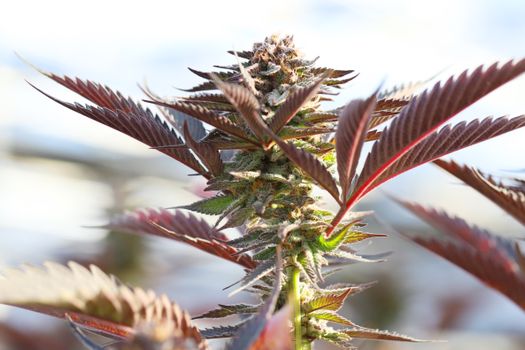 Photo: Cannafornia / Pexels
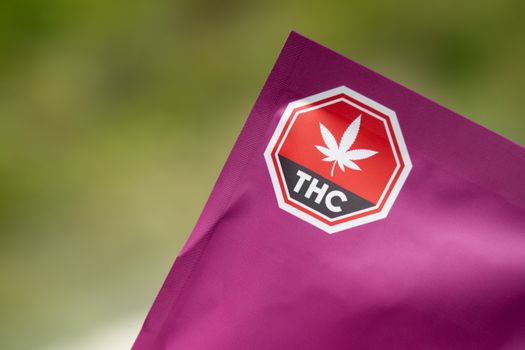 Photo: Sadi Hockmuller / Pexels
 Photo: Alesia Kozik / Pexels
 Photo: RDNE Stock project / Pexels