✓ Adults 21+ can legally grow up to 6 cannabis plants for personal use indoors.
✓ Commercial cannabis cultivation requires multiple state and local licenses.
✓ Cultivation sites are subject to strict environmental and safety regulations.
✓ Local jurisdictions often have additional, more restrictive ordinances.
How It Works
1
Understand Personal vs. Commercial
Determine if your cultivation intent is for personal use (up to 6 plants) or commercial sale. This distinction dictates the entire regulatory path you must follow.
2
Research Local Ordinances
Before starting, investigate your specific city and county's cannabis cultivation rules. Local regulations can significantly impact what's permissible, even for personal grows.
3
Secure Necessary Licenses (Commercial)
For commercial operations, apply for both state and local cultivation licenses. This involves extensive documentation, site plans, and compliance with various departments.
4
Maintain Ongoing Compliance
Regardless of scale, adhere to all cultivation guidelines, including tracking, environmental protections, and security. Regular audits and inspections are common for commercial entities.
Understanding Personal Cannabis Cultivation Regulations in California
Photo: Elsa Olofsson / Pexels
California's journey with cannabis has been transformative, moving from prohibition to a regulated market. For individuals, understanding the nuances of personal cannabis cultivation California laws is paramount to avoid legal pitfalls. Proposition 64, passed in 2016, legalized adult-use cannabis for individuals 21 years and older, granting them the right to possess and cultivate a limited number of plants for personal, non-commercial use. This landmark legislation established a framework that allows adults to grow up to six living cannabis plants per residence, regardless of the number of adults residing there. It's crucial to note that this limit applies per private residence, not per person. So, even if multiple adults live in one home, the maximum remains six plants. These plants must be cultivated in a locked space, out of public view. This typically means indoors, within a private residence or an accessory structure like a shed or garage that is not visible from a public place. Outdoor cultivation, while technically permitted by state law under certain conditions, is often heavily restricted or outright banned by local jurisdictions. This is a critical point: state law provides a baseline, but local governments have significant authority to enact more restrictive ordinances concerning personal cultivation. For instance, some cities may require indoor-only cultivation, impose square footage limits on grow areas, or even prohibit outdoor cultivation entirely. Others might require permits for personal cultivation, especially if it involves significant electrical or structural modifications to a property. Ignoring these local rules can lead to fines, plant confiscation, and other legal consequences. Therefore, before germinating a single seed, it is imperative to research and understand both state law and your specific city and county ordinances. The plants must also be grown for personal use only; selling any part of the harvest without a commercial license is strictly illegal. The harvested cannabis from these plants must be kept within the residence where it was grown, and any processing, such as making edibles or concentrates, must also adhere to safety guidelines and remain within the personal use framework. While the state allows for possession of up to 28.5 grams of dried cannabis and 8 grams of concentrated cannabis, the amount of harvested cannabis from personal grows can exceed this if it remains within the private residence. However, transporting large quantities can still raise legal questions, so discretion is advised. Cultivating cannabis at home offers a unique opportunity for enthusiasts to control the quality and genetics of their supply, but it comes with the responsibility of strict adherence to these regulations. Understanding these foundational personal cultivation laws is the first step toward a compliant and rewarding home grow experience in California.
Navigating Commercial Cannabis Licensing and Permits in California
Photo: Richard T / Pexels
The commercial cannabis landscape in California is significantly more complex than personal cultivation, requiring a multi-layered approach to licensing and compliance. Aspiring commercial cultivators must secure both a state license from the Department of Cannabis Control (DCC) and a local license or permit from the city or county where their operation will be located. This dual-licensing requirement is a cornerstone of California's regulatory framework, ensuring that both state-level standards and local community concerns are addressed. The DCC offers various types of cultivation licenses, categorized primarily by the canopy size (the area where mature plants are grown) and the cultivation environment (indoor, outdoor, mixed-light). Examples include Specialty Cottage (up to 2,500 sq ft), Small (2,501-10,000 sq ft), Medium (10,001-22,000 sq ft), and Large (over 22,000 sq ft). There are also specific licenses for nurseries, which propagate clones and seeds. Each license type has its own set of requirements, fees, and operational restrictions. The application process for a state license is rigorous, demanding extensive documentation. This includes detailed cultivation plans, environmental impact assessments, water source plans, waste management plans, security plans, and proof of legal right to occupy the proposed cultivation site. Applicants must also demonstrate compliance with California Environmental Quality Act (CEQA) requirements, which can be a significant hurdle for new operations. Beyond state licensing, the local permitting process is often the most challenging and time-consuming aspect. Cities and counties have the authority to decide whether to allow commercial cannabis cultivation within their jurisdictions at all, and if so, to establish their own zoning requirements, setback distances from sensitive sites (like schools or parks), operational hours, and local taxes. Some local jurisdictions have highly developed cannabis ordinances with clear application processes, while others may still be developing their frameworks or have outright bans. Engaging with local planning departments and community leaders early in the process is crucial for success. The costs associated with commercial licensing are substantial, encompassing application fees, annual renewal fees, consulting fees for navigating the complex regulations, and significant investments in infrastructure to meet compliance standards. These standards cover everything from pest management and pesticide use (which must adhere to strict state-approved lists) to water conservation, energy efficiency, and waste disposal. Traceability is another critical component; California mandates a seed-to-sale tracking system, Metrc, to monitor all cannabis products from cultivation through sale, ensuring consumer safety and preventing diversion to the illicit market. This system requires meticulous record-keeping and reporting. The commercial cannabis cultivation California laws are designed to create a safe, regulated market, but they demand a high level of professionalism, capital investment, and ongoing commitment to compliance from all licensees. Understanding these layers of requirements is essential for any aspiring commercial cultivator to thrive in California's competitive market.
Key Compliance Areas: Environmental, Security, and Labor Standards
Photo: Kindel Media / Pexels
Beyond the basic licensing requirements, commercial cannabis cultivation in California is subject to a comprehensive array of compliance standards across environmental protection, security, and labor practices. These regulations are designed to mitigate potential negative impacts, ensure public safety, and promote fair business practices within the industry. Environmental compliance is a major focus, reflecting California's commitment to sustainability. Cultivators must adhere to strict water quality regulations, including obtaining appropriate permits for water diversion and discharge, especially if operating near natural waterways. Waste discharge requirements are enforced by Regional Water Quality Control Boards. Energy efficiency is another critical area; indoor cultivation facilities, known for their high energy consumption, are often required to meet specific energy usage benchmarks or utilize renewable energy sources. Integrated Pest Management (IPM) plans are mandatory, emphasizing biological and cultural controls over chemical pesticides, and only pesticides approved by the California Department of Pesticide Regulation for use on cannabis can be applied. Waste management plans are also required, detailing how cannabis waste (plant material, trimmings) will be rendered unusable and disposed of in an environmentally sound manner, often through composting or co-mingling with non-cannabis waste. Security standards are equally stringent, aimed at preventing diversion, theft, and unauthorized access. Commercial cultivation sites must implement robust security measures, including 24-hour surveillance systems with high-resolution cameras, alarm systems, secure fencing, and restricted access points. All entry and exit points must be monitored, and recordings must be maintained for a specified period. Inventory control is paramount, with detailed records of all cannabis plants and products from seed to harvest to transport. Any significant discrepancies must be reported to the DCC immediately. Transportation of cannabis also falls under strict security protocols, requiring licensed distributors and specific vehicle requirements. Labor standards are also a significant component of compliance, ensuring fair treatment and safe working conditions for employees in the cannabis industry. Cultivators must comply with all state and federal labor laws, including minimum wage, overtime pay, meal and rest breaks, and workers' compensation insurance. The industry is also subject to specific health and safety regulations, particularly concerning pesticide exposure, indoor air quality, and equipment safety. Many local jurisdictions also require labor peace agreements for larger cultivation operations, ensuring that employees have the right to organize without employer interference. The state also has provisions for equity programs, aiming to support individuals and communities disproportionately impacted by past cannabis prohibition. Cultivators who qualify for and participate in these programs may receive expedited licensing or reduced fees. Adhering to these multifaceted compliance areas is not just about avoiding penalties; it's about building a responsible and sustainable business that contributes positively to the community and the environment. The ongoing nature of these requirements means that cultivators must have robust internal systems for monitoring, record-keeping, and training to ensure continuous adherence to cannabis cultivation California laws.
Common Mistakes and Best Practices for California Cannabis Cultivators
Photo: Kindel Media / Pexels
Navigating the intricate web of cannabis cultivation California laws can be challenging, and even experienced cultivators can make mistakes. Understanding common pitfalls and adopting best practices is crucial for long-term success and compliance. One of the most frequent errors, especially for new entrants, is failing to thoroughly research and understand local ordinances. Many assume state law is the only hurdle, only to find their city or county has more restrictive rules, or even a complete ban on cultivation. Always start with local jurisdiction research. Another common mistake is underestimating the capital and operational costs. Commercial cultivation requires significant investment in infrastructure, licensing fees, compliance consultants, security, and ongoing operational expenses. Under-capitalization can lead to premature business failure. For personal growers, exceeding the six-plant limit or cultivating in public view are common violations that can result in fines and plant confiscation. Best practice for personal cultivation: always grow indoors, in a locked space, and keep meticulous count of your plants. For commercial operations, a critical mistake is neglecting the seed-to-sale tracking system, Metrc. Inaccurate or incomplete data entry can lead to significant compliance issues, including fines and license suspension. Implement robust internal protocols for Metrc data entry and train all relevant staff thoroughly. Environmental non-compliance, particularly regarding water usage, waste disposal, and pesticide application, is another area of frequent violations. Cultivators must have detailed plans for these areas and ensure strict adherence. Using unapproved pesticides can lead to product recalls and severe penalties.
**Best Practices for Success:**
* **Thorough Due Diligence:** Before investing, conduct exhaustive research into state and local regulations, market demand, and financial projections.
* **Professional Guidance:** Engage with cannabis attorneys, consultants, and accountants who specialize in the California market. Their expertise is invaluable for navigating licensing, compliance, and tax complexities.
* **Robust Standard Operating Procedures (SOPs):** Develop detailed SOPs for every aspect of your cultivation, from planting and nutrient feeding to harvesting, drying, curing, and packaging. This ensures consistency and compliance.
* **Continuous Education:** The regulatory landscape is dynamic. Stay informed about changes to state and local laws, new DCC guidance, and industry best practices.
* **Community Engagement:** For commercial operations, building positive relationships with local government and community members can be beneficial, fostering understanding and support.
* **Invest in Technology:** Utilize technology for environmental controls, security monitoring, and inventory management to enhance efficiency and compliance.
* **Prioritize Employee Training:** Ensure all staff are well-trained on safety protocols, compliance requirements, and their specific roles in maintaining legal operations.
* **Financial Planning:** Create a detailed financial model that accounts for all licensing fees, operational costs, taxes, and potential contingencies. Secure adequate funding to sustain operations through initial growth phases.
By avoiding these common pitfalls and implementing these best practices, both personal and commercial cannabis cultivators in California can significantly increase their chances of operating legally and successfully.
Comparison
Feature
Personal Cultivation (21+)
Commercial Cultivation (Licensed)
Unlicensed Commercial
Plant Limit
Up to 6 plants per residence
Varies by license type (can be thousands)
Illegal, unlimited plants
Purpose
Personal use only
Sale to licensed distributors/retailers
Illegal sale
Licensing Required
No state license (local permits may apply)
State & local licenses mandatory
✗
Visibility
Locked, out of public view
Secure, restricted access facility
Often hidden or discreet
Sale of Product
✗
✓ (to licensed entities)
✗ (illegal)
Tracking System (Metrc)
✗
✓ (mandatory seed-to-sale)
✗
Environmental Regulations
Basic (e.g., waste disposal)
Strict (water, energy, pesticides, waste)
✗
What Readers Say
★★★★★
"This guide clarified so much about cannabis cultivation California laws for my small home grow. I was worried about local rules, but the advice on checking city ordinances saved me a lot of potential headaches. Highly recommend for anyone starting out!"
Sarah J. · Oakland, CA
★★★★★
"As a commercial cultivator, the deep dive into state and local licensing, plus environmental compliance, was incredibly helpful. It reinforced our current practices and highlighted areas for improvement to stay ahead of audits."
Mark T. · Humboldt County, CA
★★★★★
"Thanks to this article, I confidently set up my personal grow, knowing I was fully compliant with the 6-plant limit and privacy rules. The clear breakdown of personal vs. commercial regulations was a game-changer for my understanding."
Jessica L. · Los Angeles, CA
★★★★★
"The information on security and labor standards for commercial operations was thorough, though I wish there was a bit more on specific equity program benefits. Still, a very solid resource for navigating California's complex cannabis laws."
David R. · Sacramento, CA
★★★★★
"This guide is a must-read for anyone considering growing cannabis in California. It breaks down the often-confusing legal jargon into actionable steps, whether you're a home grower or aiming for commercial success."
Emily K. · San Diego, CA
Frequently Asked Questions
What is the maximum number of cannabis plants I can grow for personal use in California?
Adults 21 years or older can legally cultivate up to six living cannabis plants per private residence, regardless of how many adults reside there. These plants must be grown in a locked area, out of public view, typically indoors, unless local ordinances permit outdoor cultivation under specific conditions.
Do I need a license to grow cannabis for personal use in California?
No state license is required for personal cultivation of up to six plants. However, it is crucial to check your specific city and county ordinances, as some local jurisdictions may require permits or have additional restrictions on personal cultivation, even within the state's legal limits.
How do I get a commercial cannabis cultivation license in California?
To obtain a commercial cultivation license, you must first secure a local permit or authorization from your city or county. Once local approval is granted, you can apply for a state license through the California Department of Cannabis Control (DCC). The process involves extensive documentation, site plans, environmental assessments, and compliance with various state and local regulations.
What are the costs associated with commercial cannabis cultivation licenses in California?
Costs vary significantly based on license type, canopy size, and local jurisdiction. They include state application and annual renewal fees (ranging from hundreds to tens of thousands of dollars), local permit fees (which can also be substantial), consulting fees, legal fees, and significant investments in compliant infrastructure and security systems. It's a capital-intensive endeavor.
What is Metrc, and why is it important for commercial cultivators?
Metrc is California's mandatory seed-to-sale tracking system for commercial cannabis. It requires licensed cultivators to meticulously track every plant and product from germination through harvest, processing, and distribution. Metrc ensures product safety, prevents diversion to the illicit market, and is critical for maintaining compliance with state regulations.
Who should consider commercial cannabis cultivation in California?
Commercial cannabis cultivation in California is best suited for individuals or businesses with significant capital, a strong understanding of agricultural practices, a willingness to navigate complex regulatory frameworks, and a commitment to strict compliance. It requires substantial investment in infrastructure, security, and ongoing operational adherence to state and local laws.
Are there environmental regulations I need to be aware of for cannabis cultivation?
Yes, commercial cultivators face stringent environmental regulations concerning water usage, waste discharge, energy efficiency, and pesticide application. You must comply with CEQA, obtain water permits, manage waste properly, and use only state-approved pesticides. Personal growers should also be mindful of waste disposal.
How might cannabis cultivation laws in California change in the future?
California's cannabis laws are continuously evolving. Future changes could include adjustments to tax structures, further streamlining of the licensing process, potential modifications to plant limits for personal grows, and increased focus on equity programs or environmental sustainability. Staying informed through the DCC and local government updates is crucial.
Mastering cannabis cultivation California laws is essential for both personal enthusiasts and commercial entrepreneurs. By diligently researching regulations, securing proper licenses, and committing to ongoing compliance, you can cultivate cannabis legally and successfully in the Golden State. Start your journey informed and empowered today.
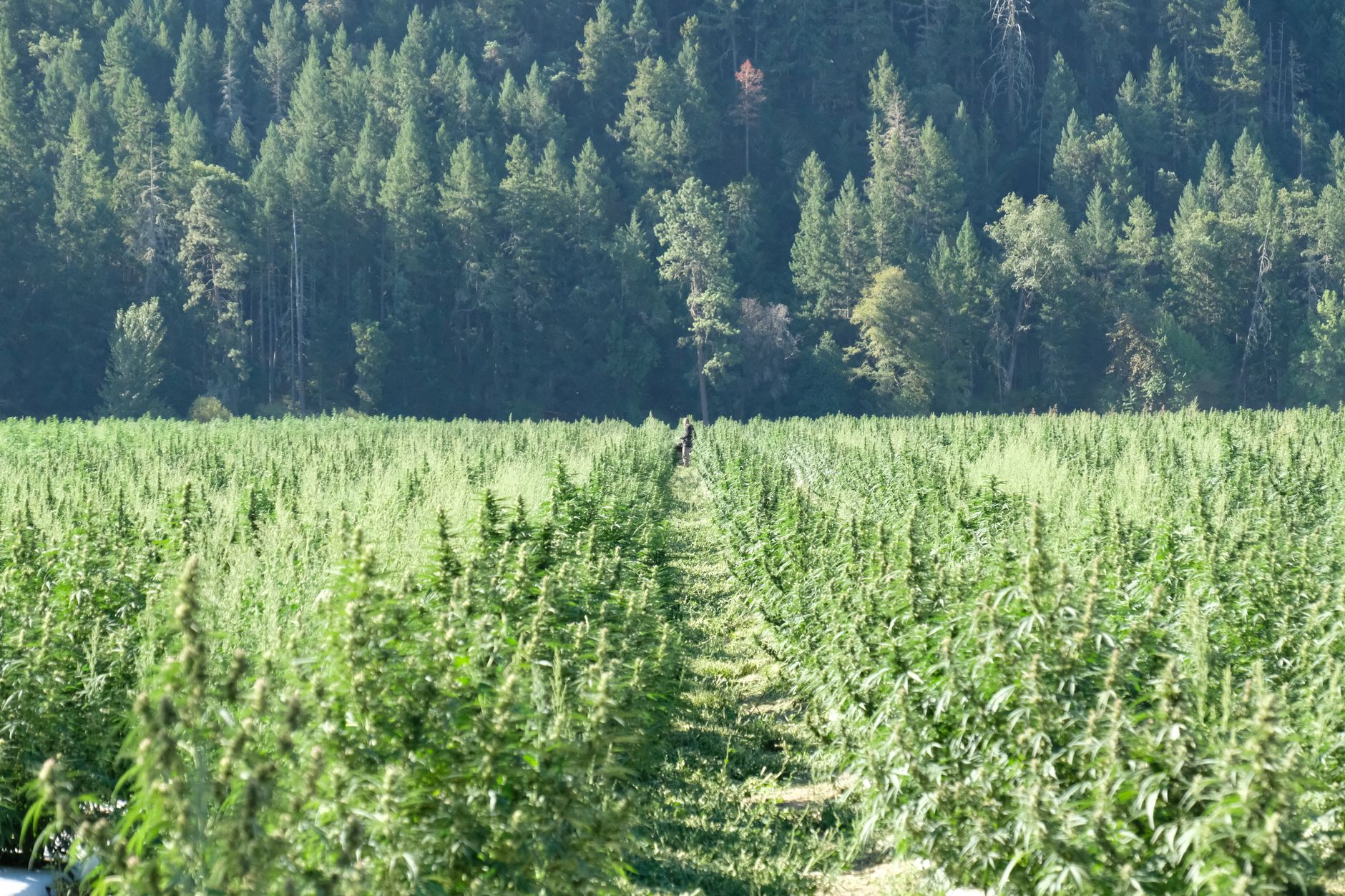
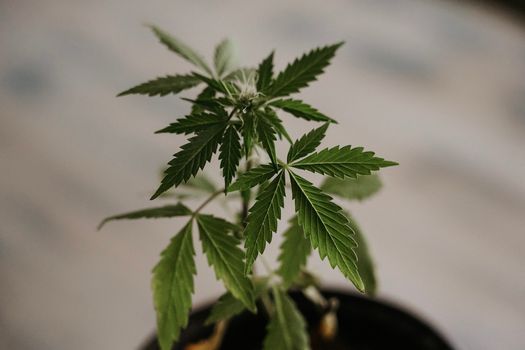 Photo: Elsa Olofsson / Pexels
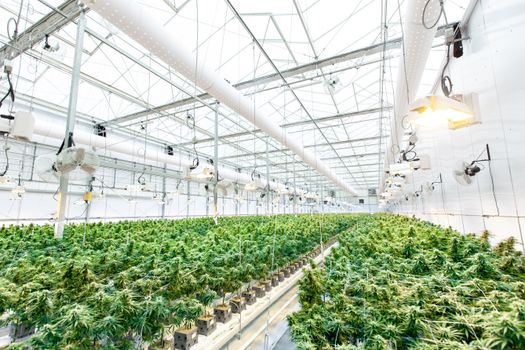 Photo: Richard T / Pexels
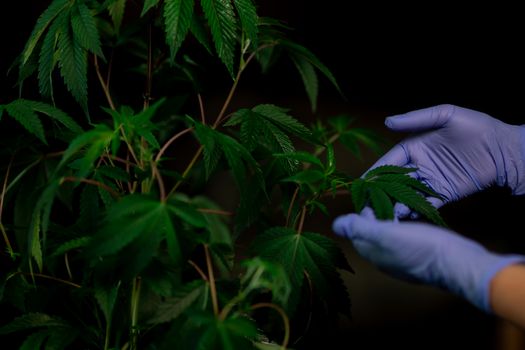 Photo: Kindel Media / Pexels
 Photo: Kindel Media / Pexels