✓ California's cannabis packaging regulations are among the strictest in the nation, focusing on child-resistance, tamper-evidence, and clear labeling.
✓ Packaging must be opaque, resealable (for multi-serving products), and designed to prevent contamination.
✓ All cannabis products sold in California must include specific warnings, testing information, and a universal symbol.
✓ Sustainable and eco-friendly packaging options are gaining traction, driven by consumer demand and potential future regulations.
How It Works
1
Understand the Regulatory Landscape
Familiarize yourself with the Bureau of Cannabis Control (BCC), California Department of Public Health (CDPH), and California Department of Food and Agriculture (CDFA) regulations. These agencies dictate packaging requirements.
2
Design for Compliance and Brand
Integrate child-resistant features and tamper-evident seals into your design from the outset. Simultaneously, develop a brand identity that stands out while adhering to all aesthetic and informational restrictions.
3
Source Compliant Materials
Work with packaging suppliers who specialize in cannabis and understand California's specific material and testing requirements. Ensure all components meet safety and functionality standards.
4
Implement Quality Control & Auditing
Establish rigorous internal quality control processes for packaging, including label accuracy checks and child-resistance testing. Regularly audit your packaging processes to ensure ongoing compliance and prevent costly recalls.
California's legal cannabis market, the largest in the world, comes with an equally expansive and stringent set of regulations, particularly concerning cannabis packaging California. For cultivators, manufacturers, distributors, and retailers, understanding and adhering to these rules isn't just good practice; it's the absolute foundation for legal operation and market success. The state's regulatory framework is designed to protect consumers, especially minors, and to ensure product safety and transparency. This means every aspect of packaging, from material choice to labeling, is meticulously scrutinized. The primary regulatory bodies include the Bureau of Cannabis Control (BCC), which oversees retail and distribution; the California Department of Public Health (CDPH), responsible for manufactured cannabis products; and the California Department of Food and Agriculture (CDFA), which handles cultivation. Each agency contributes to the comprehensive packaging guidelines that dictate everything from child-resistance and tamper-evidence to opaque materials and specific warning labels. Ignoring any of these can lead to significant penalties, including fines, product recalls, and even license suspension. Therefore, a deep dive into these regulations is not merely an option but a necessity for anyone operating within the Golden State's cannabis industry. The complexities often require dedicated legal counsel and specialized packaging partners to navigate successfully. The regulations are not static; they evolve, necessitating continuous monitoring and adaptation by businesses. For instance, the push for more sustainable packaging solutions is a growing trend that could see new requirements emerge in the coming years. Businesses must stay agile and proactive to remain compliant and competitive. The goal is to strike a delicate balance between regulatory adherence, brand identity, and consumer appeal, a challenge that many find both daunting and rewarding. Achieving this balance requires a strategic approach that integrates compliance into the very core of product development and marketing. It’s not just about putting cannabis in a container; it’s about creating a safe, informative, and legally sound product presentation that resonates with the consumer while satisfying the state’s rigorous demands. The initial investment in understanding these regulations thoroughly will save immense time and resources in the long run, preventing costly mistakes and ensuring a smoother path to market. Furthermore, a strong understanding of these regulations can even become a competitive advantage, signaling to consumers a commitment to safety and quality. For more insights on the broader industry, explore the cannabis sector in general. This foundational knowledge is paramount for any successful venture in the Californian cannabis landscape.
Essential Elements of Compliant Cannabis Packaging in California
Photo: Diego Barros / Pexels
Beyond the overarching regulatory framework, specific design and material requirements form the backbone of compliant cannabis packaging in California. These elements are not negotiable and must be integrated into every product's packaging strategy. First and foremost is child-resistant packaging. This is a non-negotiable requirement for all cannabis products, regardless of their form (flower, edibles, concentrates, etc.). The packaging must be difficult for children under five years old to open, but relatively easy for adults. This often involves specialized closures, such as push-and-turn caps, squeeze-and-turn mechanisms, or locking pouches. Proof of child-resistance, usually in the form of third-party lab certification, is typically required. Next, packaging must be tamper-evident. This means that if the package has been opened or altered, it must be visibly apparent to the consumer. Common methods include heat-sealed bands, induction seals, or tear strips. This protects consumers from adulterated products and helps maintain product integrity. Opaque packaging is another critical requirement, especially for products containing THC. This is to prevent children and unsuspecting adults from being attracted to the product based on its appearance. Many products, particularly edibles, must be packaged in a way that does not resemble conventional food items or candy, further reinforcing the need for discreet and clearly labeled packaging. Resealable packaging is mandatory for multi-serving products, such as edibles that contain more than one serving of THC, or flower that comes in larger quantities. This allows consumers to store the product safely after initial opening, preserving freshness and preventing accidental consumption. Lastly, all packaging must be designed to prevent contamination from external substances and to protect the product from degradation due to light, air, or moisture. This often dictates the use of specific materials like food-grade plastics, glass, or barrier films. The interplay between these elements creates a complex design challenge: how to create packaging that is compliant, functional, appealing, and cost-effective. Companies often invest heavily in research and development to find innovative solutions that meet all these criteria. The choice of materials also plays a crucial role in sustainability efforts, with many brands now exploring options like recycled content, biodegradable plastics, or compostable materials to reduce their environmental footprint. This commitment to sustainability, while not yet fully mandated, is becoming a significant differentiator in the California market, appealing to an increasingly eco-conscious consumer base. Brands that can successfully integrate these essential elements into their packaging not only ensure compliance but also build trust and credibility with their target audience. This holistic approach to packaging design is what sets leading brands apart in a highly competitive market, showcasing their dedication to both consumer safety and product quality. The evolving nature of materials science and packaging technology means that what is considered compliant and innovative today may be surpassed tomorrow, urging businesses to remain adaptable and forward-thinking in their packaging strategies.
The Art and Science of Cannabis Labeling in California
Photo: The Bio Brand / Pexels
While the physical container provides protection and child-resistance, the label is the primary communication tool for cannabis products in California. It's where the art of branding meets the science of regulation, requiring meticulous attention to detail. California's labeling requirements are extensive and cover virtually every piece of information a consumer might need, alongside mandatory warnings. Key elements include the product identity, net weight or volume, universal cannabis symbol, THC and CBD content (expressed in milligrams and percentages), cannabinoid content per serving (for edibles), ingredients list, manufacturing and expiration dates, batch or lot number, and the license number of the cultivator, manufacturer, and distributor. Beyond these data points, a series of explicit warnings are mandated. These include statements about keeping the product away from children and pets, not operating heavy machinery, potential health risks, and the fact that the product contains cannabis and may be intoxicating. For manufactured products, the California Department of Public Health (CDPH) also requires specific warnings related to prop 65 chemicals, if applicable, and instructions for use and storage. The universal cannabis symbol (a triangle with an exclamation mark and a cannabis leaf) must be prominently displayed on all cannabis product packaging and labels. Its size and placement are also regulated to ensure visibility. This symbol serves as an immediate visual cue to consumers that the product contains cannabis. Furthermore, the label must not make any unproven health claims or suggest that the product is a conventional food item. This is a critical point for edibles, which must avoid designs that appeal to children, such as cartoon characters or shapes resembling popular candies. The text on the label must be legible, contrasting with the background, and of a minimum font size, ensuring that all vital information is easily readable by consumers. This attention to detail in labeling is not just about compliance; it's about consumer trust and safety. Clear, accurate, and comprehensive labeling empowers consumers to make informed decisions about the products they purchase and consume. It also serves as a crucial tool for regulators to track products through the supply chain, ensuring accountability and facilitating recalls if necessary. The challenge for brands lies in creating a label that meets all these stringent requirements while still being aesthetically pleasing and conveying brand identity. This often involves working with specialized graphic designers and legal experts to ensure both compliance and market appeal. The design process is iterative, often involving multiple rounds of review to catch any potential non-compliance issues before products hit the shelves. The consequences of mislabeling can be severe, ranging from product recalls to significant fines and reputational damage. Therefore, investing in robust labeling protocols and quality control is an absolute must for any cannabis business in California. It’s a complex dance between legal mandates and marketing objectives, a delicate balance that defines success in the regulated market. Understanding the nuances of cannabis labeling is as important as the product itself.
Sustainable and Innovative Cannabis Packaging Solutions
Photo: Dad Grass / Pexels
As the cannabis industry matures in California, there's a growing emphasis on sustainability and innovation in packaging. Consumers, particularly in environmentally conscious California, are increasingly scrutinizing the ecological footprint of the products they buy. This trend is pushing brands to explore sustainable cannabis packaging solutions that go beyond mere compliance. One significant area of innovation is the use of recycled materials. Post-consumer recycled (PCR) plastics, recycled glass, and recycled paperboard are becoming popular choices. These materials reduce the demand for virgin resources and help divert waste from landfills. However, ensuring that these recycled materials still meet child-resistance and barrier protection requirements adds another layer of complexity to the design process. Biodegradable and compostable packaging is another frontier. Materials derived from plant-based sources, such as cornstarch or sugarcane, can break down naturally, reducing long-term environmental impact. While promising, these materials often come with challenges related to shelf life, cost, and the availability of industrial composting facilities. Brands must carefully weigh these factors when considering such options. Reducing overall packaging material is also a key strategy. This can involve optimizing package size, eliminating unnecessary components, or designing multi-functional packaging that serves several purposes. The goal is to achieve 'minimum viable packaging' that still ensures product safety, compliance, and brand integrity. Innovative packaging designs are also emerging to address specific product needs. For instance, sophisticated dosing mechanisms for edibles and concentrates, vacuum-sealed containers for flower freshness, and discreet, smell-proof solutions for on-the-go consumption. These innovations not only enhance the user experience but can also provide a competitive edge in a crowded market. The future of cannabis packaging in California will likely see a blend of stricter environmental regulations and continued technological advancements. Brands that proactively adopt sustainable practices and invest in innovative packaging solutions will be better positioned to meet evolving consumer demands and regulatory landscapes. This proactive approach includes partnering with packaging suppliers who are themselves committed to sustainability and who can offer certified eco-friendly options. Furthermore, educating consumers about the sustainable features of their packaging can enhance brand loyalty and differentiate products in a market where environmental consciousness is highly valued. The industry is moving towards a circular economy model, where packaging materials are reused, recycled, or composted, minimizing waste and maximizing resource efficiency. This shift requires collaboration across the supply chain, from material producers to consumers, to create a truly sustainable ecosystem for cannabis products. The initial investment in these advanced solutions often pays dividends in terms of brand reputation and future-proofing against stricter environmental mandates. Ultimately, the cannabis packaging California market is evolving rapidly, demanding continuous adaptation and innovation from businesses.
Common Mistakes and Best Practices in California Cannabis Packaging
Navigating the complexities of cannabis packaging in California can be fraught with pitfalls. Avoiding common mistakes and adopting best practices are crucial for long-term success and compliance. Here's a breakdown:
**Common Mistakes to Avoid:**
* **Ignoring Child-Resistance Certifications:** Many brands overlook the necessity of third-party certification for child-resistant packaging, leading to immediate non-compliance. Don't assume a package is CR; prove it with documentation.
* **Overly Attractive Designs for Edibles:** Packaging that mimics popular candies, snacks, or toys is a major red flag and will be rejected. Designs must be discreet and not appeal to minors.
* **Incomplete or Incorrect Labeling:** Missing a single warning, an incorrect THC/CBD percentage, or an illegible font can result in product holds or recalls. Double-check every detail.
* **Non-Tamper-Evident Seals:** If a package can be opened and resealed without visible evidence, it fails compliance. Ensure seals are robust and clearly show tampering.
* **Lack of Opaque Packaging:** Products, especially flower and edibles, must be in opaque packaging to prevent visibility and potential appeal to children. Clear windows are often non-compliant.
* **Outdated Information:** Regulations change. Using old templates or not staying updated on the latest BCC, CDPH, or CDFA guidelines is a recipe for disaster.
* **Poor Quality Control:** Rushing packaging processes can lead to errors in labeling, sealing, or material integrity, undermining compliance and brand reputation.
**Best Practices for Success:**
* **Partner with Experts:** Work with legal counsel specializing in California cannabis law and packaging suppliers with proven experience in the regulated market. Their expertise is invaluable.
* **Design for Compliance First:** Integrate regulatory requirements into your packaging design from the very beginning. It's much harder to retrofit compliance than to build it in.
* **Robust Quality Assurance (QA) Protocols:** Implement rigorous QA checks at every stage, from material sourcing to final packaging. This includes proofreading labels, testing seals, and verifying child-resistance.
* **Stay Informed:** Regularly monitor updates from regulatory bodies. Subscribe to industry newsletters and participate in workshops to stay ahead of changes.
* **Prioritize Sustainability (Where Possible):** While not always mandated, incorporating sustainable materials and practices can enhance your brand image and appeal to a wider consumer base.
* **User-Centric Design:** Beyond compliance, consider the end-user experience. Is the packaging easy for adults to open? Is it resealable? Does it protect the product effectively?
* **Documentation and Traceability:** Maintain meticulous records of all packaging materials, suppliers, and compliance certifications. This is vital for audits and recalls.
By diligently following these best practices and proactively avoiding common mistakes, cannabis businesses can navigate the intricate world of cannabis packaging California with confidence, ensuring both compliance and market success. This proactive stance not only safeguards against regulatory penalties but also builds a strong foundation of trust with consumers and regulators alike.
Comparison
Feature
Best Option (CR & Sustainable)
Alternative 1 (Basic Compliant)
Alternative 2 (Premium Aesthetic)
Child-Resistance
Certified Push-and-Turn PCR Plastic Jar
Basic Squeeze-and-Turn Tube
Custom Glass Jar with Locking Mechanism
Tamper-Evidence
Induction Seal + Tear Strip
Heat-Shrink Band
Vacuum Seal + QR Code Verification
Opaqueness
100% Opaque Recycled Plastic
Standard Opaque Plastic
Frosted Glass with UV Coating
Sustainability
High PCR Content / Biodegradable
Standard Recyclable Plastic
Recyclable Glass / Minimal Plastic
Cost-Effectiveness
Medium-High
Low-Medium
High
Brand Appeal
High (Eco-conscious)
Moderate (Functional)
Very High (Luxury)
What Readers Say
★★★★★
"Finding compliant cannabis packaging in California was a headache until we found a supplier who understood all the BCC regulations. Our new child-resistant pouches are perfect, and we haven't had a single issue with inspections."
Sarah L. · Los Angeles, CA
★★★★★
"The labeling requirements for edibles here are intense, but with the right design partner, our new packaging not only meets all CDPH standards but also looks fantastic on the shelf. Sales have definitely improved."
Mark T. · Oakland, CA
★★★★★
"We switched to sustainable, child-resistant cannabis packaging for our flower, and the positive feedback from customers has been overwhelming. It's great to be compliant and eco-friendly in California."
Jessica R. · Sacramento, CA
★★★★★
"The initial cost for fully compliant packaging was higher than anticipated, but the peace of mind knowing we're meeting all California's cannabis packaging laws is worth it. Wish there were more affordable sustainable options."
David M. · San Diego, CA
★★★★★
"As a small craft grower, navigating the packaging rules for cannabis in California was daunting. Our chosen packaging solution simplified the process, ensuring our unique products are presented legally and beautifully."
Emily S. · Santa Rosa, CA
Frequently Asked Questions
What are the most critical cannabis packaging California regulations?
The most critical regulations revolve around child-resistance, tamper-evidence, opaque packaging, and comprehensive labeling. All products must be packaged to prevent access by minors and clearly display all required warnings, cannabinoid content, and product information in a legible format.
How do I ensure my cannabis packaging is child-resistant?
To ensure child-resistance, your packaging must meet federal ASTM standards (e.g., ASTM D3475) and be certified by a third-party laboratory. This certification proves that the packaging is difficult for children under five to open but accessible to adults. Always request and retain these certifications from your packaging supplier.
Can I use clear packaging for my cannabis products in California?
Generally, no. California regulations require cannabis packaging to be opaque to prevent visibility of the product, especially for products that might appeal to children. There are very limited exceptions, typically for specific types of concentrates, but for flower and edibles, opaque packaging is mandatory.
What are the typical costs associated with compliant cannabis packaging in California?
Costs can vary widely based on material, complexity, and order volume. Child-resistant features, custom branding, and sustainable materials often increase costs. Expect to invest more than conventional packaging due to specialized manufacturing, testing, and regulatory compliance. Budgeting for design, prototyping, and certification is also crucial.
How often do California cannabis packaging regulations change?
California's cannabis packaging regulations are subject to periodic updates and amendments as the market evolves and new issues arise. While not daily, significant changes can occur every few years. It's crucial for businesses to regularly monitor updates from the BCC, CDPH, and CDFA to ensure ongoing compliance.
Who is responsible for ensuring cannabis packaging compliance in California?
Ultimately, the licensed cannabis business (cultivator, manufacturer, distributor, or retailer, depending on the stage) selling or distributing the product is responsible for ensuring its packaging complies with all California regulations. This responsibility extends to verifying supplier compliance and maintaining proper documentation.
Are there specific rules for edible cannabis packaging to prevent appeal to children?
Yes, California has strict rules for edible cannabis packaging to prevent it from appealing to children. Packaging cannot resemble conventional food items, candies, or beverages. It cannot depict cartoon characters, toys, or any imagery that might attract minors. The packaging must be discreet and clearly labeled as a cannabis product.
What future trends are expected in cannabis packaging California?
Future trends include a strong push towards more sustainable and eco-friendly materials (biodegradable, compostable, PCR), increased adoption of smart packaging technologies (QR codes for traceability, NFC tags for consumer info), and continued innovation in child-resistant and tamper-evident designs. Regulations may also evolve to further encourage sustainability.
Navigating the intricate world of cannabis packaging in California requires precision, vigilance, and a commitment to compliance. By prioritizing child-resistance, clear labeling, and sustainable practices, your brand can thrive. Partner with experts today to ensure your cannabis packaging California strategy is flawless and future-proof.
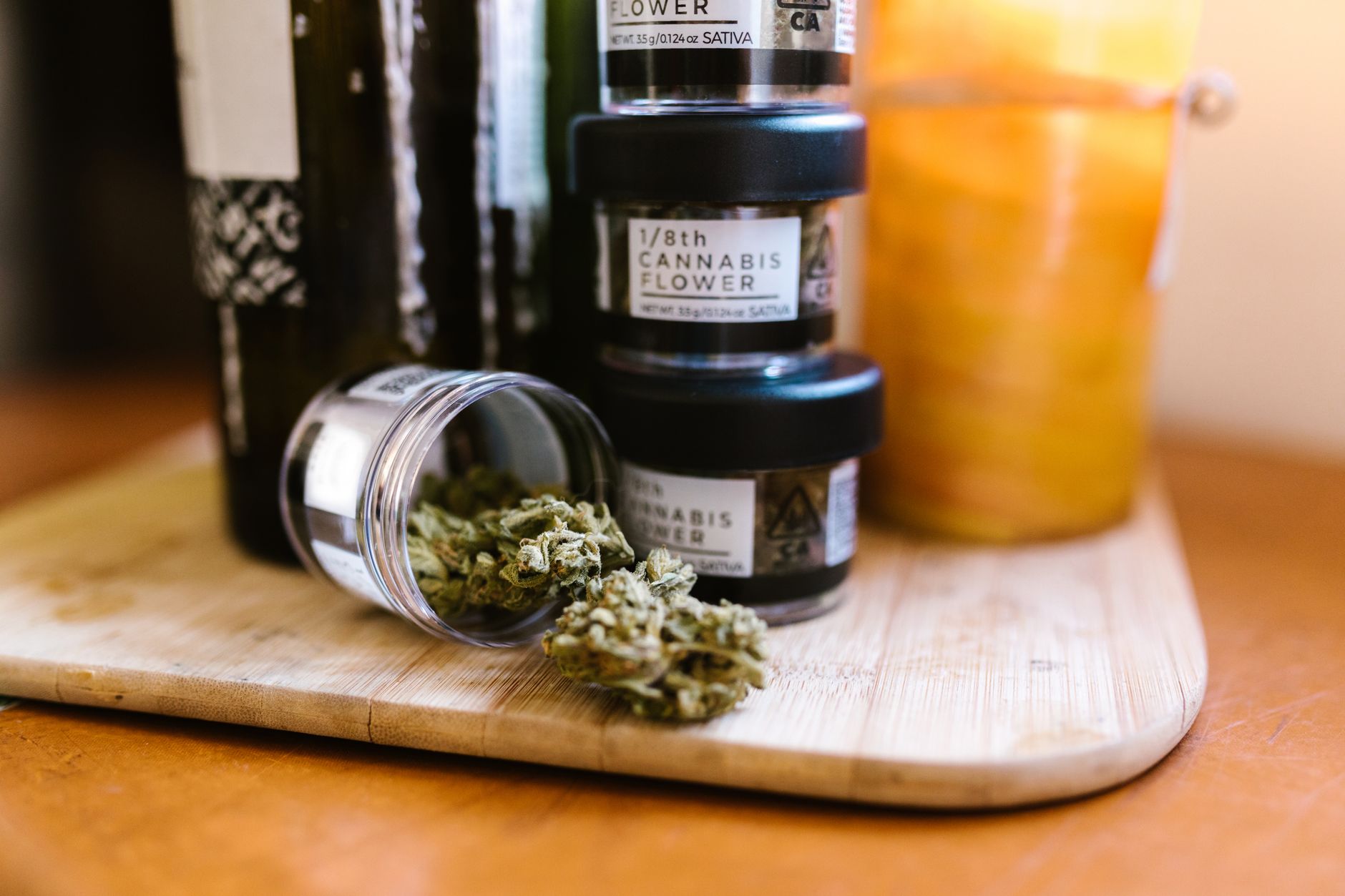
 Photo: RDNE Stock project / Pexels
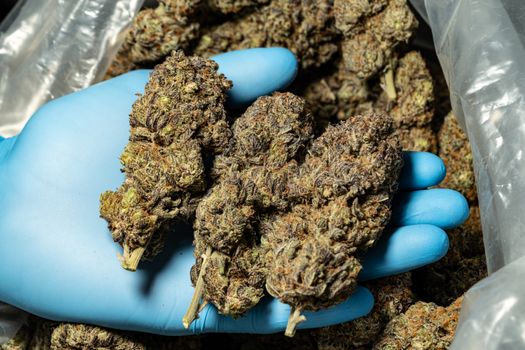 Photo: Diego Barros / Pexels
 Photo: The Bio Brand / Pexels
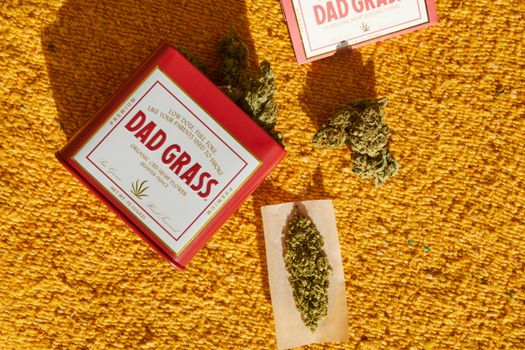 Photo: Dad Grass / Pexels