
Mastering Cannabis Marketing California: Your Guide
cannabis marketing California

Mastering Cannabis Marketing California: Your Guide

Navigate the complex landscape of California's cannabis market to build a thriving, compliant brand.

Start Your Strategy

Key Takeaways

  • ✓ California's cannabis market is the largest in the world, valued at over $5 billion annually.
  • ✓ Strict regulations govern all aspects of cannabis advertising, requiring deep compliance knowledge.
  • ✓ Digital marketing, content creation, and SEO are crucial due to traditional ad channel restrictions.
  • ✓ Building a strong brand identity and fostering community engagement are key to success.

How It Works

1
Understand the Regulatory Landscape

Familiarize yourself with the Bureau of Cannabis Control (BCC) regulations for advertising and marketing. This includes restrictions on targeting minors, health claims, and specific ad placements.

2
Develop a Compliant Brand Strategy

Craft a unique brand voice and visual identity that resonates with your target audience while strictly adhering to all state and local guidelines. Focus on education and responsible consumption.

3
Implement Multi-Channel Digital Marketing

Leverage SEO, content marketing, email campaigns, and compliant social media strategies to reach consumers. Traditional advertising avenues are often limited, making digital essential.

4
Measure, Adapt, and Optimize

Continuously track your marketing performance, analyze consumer data, and adapt your strategies based on results and evolving regulations. Agility is vital in this dynamic market.

Navigating the Complexities of California Cannabis Marketing Regulations

A cannabis leaf with the word 'cannabis' spelled out in letter tiles on a beige background. Photo: Alesia Kozik / Pexels
The landscape of cannabis marketing in California is as vibrant as it is challenging, primarily due to the intricate web of regulations governing advertising and promotion. As the world's largest legal cannabis market, California presents unparalleled opportunities for brands, yet demands meticulous attention to compliance. Understanding these regulations is not merely a legal formality; it is the cornerstone of any successful and sustainable cannabis marketing strategy. The Bureau of Cannabis Control (BCC), alongside other state and local agencies, dictates everything from permissible advertising content to placement restrictions. For instance, advertisements cannot be placed where they are visible to individuals under 21, nor can they contain any health claims not substantiated by scientific evidence. This immediately rules out many traditional marketing tactics available to other industries. Brands must avoid imagery that appeals to minors, such as cartoons or certain types of candy-like packaging, and cannot depict consumption in their ads. Furthermore, any marketing materials must clearly state that cannabis is for individuals 21 years of age or older. These strictures necessitate a creative and compliant approach, pushing marketers to innovate within defined boundaries. The limitations extend to digital platforms as well, with many mainstream advertising channels like Google Ads and Facebook having their own prohibitive policies against cannabis promotion, irrespective of state legality. This forces cannabis businesses to explore alternative avenues, such as niche platforms, direct email marketing, and sophisticated SEO strategies, to reach their target audience. The financial penalties for non-compliance can be severe, ranging from hefty fines to license suspension or revocation, underscoring the critical importance of a robust compliance framework for any cannabis marketing California campaign. Beyond state regulations, local municipalities often impose additional, even stricter rules, creating a patchwork of varying requirements across different cities and counties. A statewide campaign, therefore, requires localized knowledge and adaptability, making a one-size-fits-all approach virtually impossible. Marketers must stay abreast of these constantly evolving rules, which often change with new legislative sessions or as the market matures. Partnering with legal experts specializing in cannabis law or experienced cannabis marketing agencies is often a necessity, not a luxury, to ensure continuous adherence and mitigate risk. This initial deep dive into regulatory understanding is not just a prerequisite; it's an ongoing commitment that defines the operational boundaries and creative possibilities for all cannabis marketing efforts in the Golden State. Without this foundational knowledge, even the most innovative campaigns are doomed to fail before they begin, highlighting the unique challenges and essential groundwork involved in successful cannabis marketing in California.

Crafting a Compelling Cannabis Brand Identity and Story

Setup featuring Dad Grass pre-rolled joints, ashtray, and various branded pins. Photo: Dad Grass / Pexels
In a market saturated with new products and brands, simply having a compliant product is not enough; differentiation is key. Crafting a compelling brand identity and narrative is paramount for standing out in the bustling California cannabis scene. A strong brand identity goes beyond just a logo and color scheme; it encompasses your brand's values, mission, voice, and the emotional connection you forge with your consumers. Given the historical stigma surrounding cannabis, brands have a unique opportunity to redefine perceptions and educate the public. This involves moving away from stereotypical imagery and embracing sophistication, wellness, and responsible consumption. Consider what makes your brand unique. Is it your sustainable cultivation practices? Your commitment to social equity? Your innovative product formulations? These elements should be woven into your brand story, creating a narrative that resonates deeply with your target audience. For instance, a brand focused on organic, sun-grown cannabis might emphasize its connection to California's rich agricultural heritage and commitment to environmental stewardship. A brand specializing in wellness products might highlight the therapeutic benefits and precise dosing, appealing to consumers seeking health and balance. Storytelling is a powerful tool in cannabis marketing California. Consumers are increasingly discerning and seek authenticity. Sharing the journey of your founders, the passion behind your products, or the positive impact you're making in the community can build trust and loyalty. This human element is crucial when direct advertising is limited, as it allows your brand to connect on a deeper, more personal level. Visual identity also plays a critical role. High-quality product photography, elegant packaging design, and a consistent aesthetic across all touchpoints contribute to a premium brand perception. Think about how your brand evokes feelings – is it calm and sophisticated, energetic and innovative, or natural and earthy? These visual cues communicate your brand's essence long before a consumer reads a single word. Furthermore, your brand identity should inform your content strategy. Every blog post, social media update, and email newsletter should reinforce your brand's voice and values. This consistent messaging builds recognition and strengthens your position in the market. In a highly competitive environment, a well-defined and authentic brand identity isn't just a marketing asset; it's a strategic imperative that drives consumer preference and long-term success, distinguishing your offerings from the myriad of others available in California's dispensaries.

Leveraging Digital Channels: SEO, Content, and Community Building
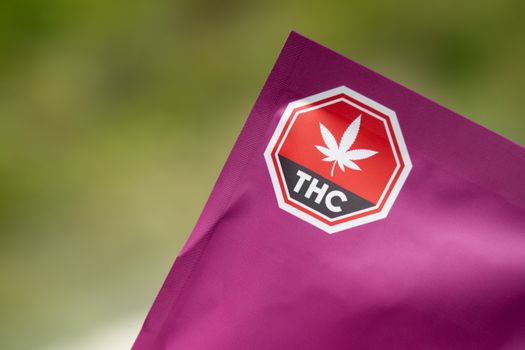
Close-up of cannabis packaging with a THC warning label on a purple background, highlighting safety and regulatory compliance. Photo: Sadi Hockmuller / Pexels
With traditional advertising avenues largely restricted, digital marketing becomes the bedrock of any successful cannabis marketing California strategy. This demands a sophisticated approach to SEO, content creation, and community engagement. Search Engine Optimization (SEO) is arguably the most critical component, ensuring your brand is discoverable when consumers search for cannabis products or information. This involves meticulous keyword research to identify terms your target audience uses, optimizing your website's technical structure, creating high-quality, relevant content, and building authoritative backlinks. Local SEO is particularly vital for dispensaries, ensuring they appear prominently in 'near me' searches. Google My Business optimization, local citations, and geo-targeted content are indispensable for driving foot traffic. Content marketing serves multiple purposes: it educates consumers, builds brand authority, and fuels your SEO efforts. This can include blog posts on topics like responsible consumption, strain reviews, the science of cannabinoids, or guides to different product types. Videos, infographics, and interactive tools can also enhance engagement. The key is to provide genuine value, positioning your brand as a trusted resource rather than just a seller. This educational approach aligns perfectly with regulatory requirements that prohibit unsubstantiated claims, focusing instead on information and transparency. Email marketing remains one of the most effective direct-to-consumer channels in the cannabis industry. Building a compliant email list allows you to communicate directly with interested consumers, sharing product updates, promotions, and educational content without the constraints of public advertising platforms. Personalization and segmentation can further enhance the effectiveness of these campaigns. Community building, both online and offline, is also crucial. While mainstream social media platforms have strict policies, niche cannabis-friendly platforms and forums can be valuable. Engaging with your audience, responding to comments, and fostering a sense of belonging can transform customers into loyal brand advocates. Hosting compliant events (where allowed) or participating in industry gatherings can also strengthen community ties. Furthermore, influencer marketing, when executed compliantly and transparently, can be a powerful tool to reach new audiences through trusted voices. Choosing influencers who genuinely align with your brand's values and who understand the regulatory nuances is essential. The synergy between strong SEO, valuable content, and active community engagement forms a robust digital ecosystem that can overcome many of the advertising limitations faced by the cannabis industry in California. By continuously adapting to algorithmic changes and consumer behavior, brands can carve out a significant online presence and drive sustained growth in this competitive market. This integrated digital approach is not just a strategy; it's the lifeline for any cannabis business aiming for prominence and longevity in California.

Essential Tips for Compliant Cannabis Advertising & Avoiding Pitfalls

A cannabis leaf with the word 'cannabis' spelled out in letter tiles on a beige background. Photo: Alesia Kozik / Pexels
Navigating the advertising landscape for cannabis in California requires not just creativity, but also extreme caution to ensure compliance and avoid costly pitfalls. Here are essential tips for developing compliant marketing strategies: * **Know Your Audience (and Their Age):** All marketing materials must be designed to appeal primarily to adults 21 and over. Avoid imagery, language, or themes that might attract minors. This includes cartoons, bright colors associated with candy, or packaging that could be mistaken for non-cannabis products. Always include age verification on websites and digital platforms. * **No Health Claims, Period:** This is one of the most frequently violated rules. Do not make any unsubstantiated health, medical, or therapeutic claims about your products. Focus on effects, experiences, and product characteristics rather than promises of cures or treatments. Stick to factual descriptions and avoid hyperbolic language. * **Location, Location, Location:** Be acutely aware of where your advertisements are placed. State law prohibits advertising within 1,000 feet of schools, daycares, or youth centers. This extends to billboards, bus stop ads, and even digital ads geo-targeted to these sensitive areas. Always verify local ordinances, as they can be even stricter. * **Transparency and Disclosures:** All advertisements must clearly state that the product is for individuals 21 years or older. Include your license number and any other required disclaimers. Transparency builds trust and demonstrates compliance. * **Embrace Education, Not Promotion:** Position your brand as an educational resource. Provide information about different cannabinoids, terpenes, consumption methods, and responsible use. This not only builds authority but also sidesteps many direct promotional restrictions by focusing on value-added content. * **Monitor and Adapt:** The regulatory environment is dynamic. Stay informed about legislative changes at both state and local levels. Subscribe to industry newsletters, join trade associations, and consult legal counsel regularly. What was compliant yesterday might not be tomorrow. * **Vet Your Partners:** If working with agencies, influencers, or third-party platforms, ensure they have a deep understanding of California cannabis regulations. A partner's non-compliance can reflect poorly on your brand and lead to penalties. * **Focus on Value and Experience:** Since direct product promotion is limited, emphasize the overall brand experience, customer service, and unique value propositions. Build a brand that people want to associate with, rather than just a product they want to buy. By meticulously adhering to these guidelines, cannabis brands in California can navigate the challenging marketing landscape effectively, build consumer trust, and establish a strong, compliant presence in this burgeoning industry.

Comparison

FeatureBest OptionAlternative 1Alternative 2
Compliance RiskLow (Expert Agency)Medium (In-house with training)High (DIY without expertise)
ReachTargeted DigitalNiche PublicationsLocal Events
Cost-EffectivenessSEO/Content MarketingEmail MarketingInfluencer Partnerships
Brand BuildingStory-driven ContentCommunity EngagementPackaging Design

What Readers Say

"Working with a specialized agency for our cannabis marketing in California was a game-changer. They helped us navigate the confusing regulations and significantly boosted our online visibility, leading to a 30% increase in website traffic within six months."

Sarah J. · Los Angeles, CA

"Before, we struggled with compliant advertising. Our new strategy for cannabis marketing in California focuses on educational content and local SEO, which has built immense trust with our customers and grown our loyal base."

Michael T. · San Francisco, CA

"Our dispensary saw a 45% increase in foot traffic after implementing a robust local SEO and content marketing plan tailored for cannabis marketing in California. Their guidance on compliant social media engagement was invaluable."

Jessica L. · San Diego, CA

"While the initial investment for a comprehensive cannabis marketing strategy in California was significant, the long-term returns in brand recognition and customer loyalty have proven it worthwhile. The regulatory hurdles are tough, but with expert help, they're manageable."

David R. · Oakland, CA

"As a small edibles brand, understanding cannabis marketing in California seemed impossible. The focus on transparent branding and community building helped us connect directly with our target audience, leading to consistent wholesale orders."

Emily P. · Sacramento, CA

Frequently Asked Questions

What are the biggest challenges for cannabis marketing in California?

The biggest challenges stem from the strict regulatory environment, including limitations on advertising content, placement restrictions near schools, and prohibitions on making unsubstantiated health claims. Additionally, mainstream advertising platforms like Google and Facebook have their own bans, forcing brands to be creative with digital strategies.

Can cannabis brands advertise on social media in California?

While direct paid advertising for cannabis is largely prohibited on major social media platforms due to their internal policies, brands can maintain organic profiles. The key is to focus on compliant content, education, and community engagement, avoiding direct sales pitches or promotions that violate platform terms of service or state regulations.

How important is SEO for cannabis businesses in California?

SEO is critically important. With traditional advertising channels largely closed off, appearing high in search engine results for relevant queries is essential for discoverability. Local SEO, in particular, drives dispensary traffic, while content SEO builds brand authority and educates consumers, directly impacting online presence and sales.

What is the average cost of compliant cannabis marketing in California?

The cost can vary widely depending on the scope and complexity of the strategy, ranging from a few thousand dollars per month for basic services to tens of thousands for comprehensive, full-service agency support. Factors like market competitiveness, desired reach, and specific service needs (SEO, content, PR) all influence the overall investment.

How does cannabis marketing in California compare to other states?

California's market is unique due to its sheer size and the maturity of its regulatory framework. While many states share similar advertising restrictions, California often has additional local ordinances and a highly competitive landscape, demanding more sophisticated and nuanced marketing approaches compared to newer, smaller markets.

Who should handle cannabis marketing for my California business?

It is highly recommended to work with a marketing professional or agency that specializes in cannabis. These experts possess deep knowledge of the specific regulations, understand the industry's nuances, and have proven strategies for compliant and effective marketing within the California market, minimizing legal risks.

Are there any specific risks associated with cannabis marketing in California?

The primary risks involve non-compliance with state and local regulations, which can lead to significant fines, license suspension, or even revocation. Missteps in branding or messaging can also damage reputation and alienate consumers. It's crucial to prioritize legal review of all marketing materials.

What are the future trends for cannabis marketing in California?

Future trends point towards increased reliance on data-driven personalization, hyper-local marketing, augmented reality experiences, and sophisticated content strategies that build trust and educate. As regulations potentially evolve, we may also see new compliant advertising opportunities emerge, alongside a continued focus on social equity and sustainability messaging.

Mastering cannabis marketing in California requires a blend of regulatory expertise, creative strategy, and digital prowess. Don't let the complexities deter you; instead, leverage them as an opportunity to build a resilient, compliant, and highly successful brand. Start crafting your compliant marketing strategy today to thrive in California's dynamic cannabis market.

Topics: cannabis marketing CaliforniaCA cannabis advertisingmarijuana marketing lawscannabis brand strategyCalifornia dispensary marketing
Leo List
Brampton weed
Adultwork EstrelaBet Vai de Bet R7 Bet Betão Galera Bet Rainbet Bet9ja Shop SportyBet BetKing Sisal Loto Foot Hollywoodbets YesPlay Odibets RushBet Jugabet BetWarrior BetCity MSport betPawa Fortebet