Mastering Cannabis Cultivation California
July 24, 2026 12 min read 2,459 words
Your definitive guide to cultivating premium cannabis in the Golden State, from seed to sale compliance.
Start Your Grow Journey
Navigating California's Cannabis Cultivation Laws and Licensing
 Photo: RDNE Stock project / Pexels
The landscape of cannabis cultivation in California is defined by a rigorous and dynamic regulatory framework. Since the passage of Proposition 64, adult-use cannabis became legal, but the path to commercial cultivation is intricate, demanding careful adherence to both state and local mandates. Understanding this dual regulatory structure is the absolute first step for any aspiring or established grower. At the state level, the Department of Cannabis Control (DCC) is the primary authority, overseeing all commercial cannabis activity, including cultivation. They issue various license types, categorized by canopy size (e.g., small, medium, large outdoor, indoor, mixed-light) and specialty (e.g., nursery, processor). Each license type comes with specific operational requirements, ranging from environmental controls to security protocols and waste management plans. The application process is notoriously detailed, requiring comprehensive business plans, environmental impact reports, and proof of compliance with local ordinances. Many cultivators find navigating the DCC's online portal and ensuring all documentation is accurate and complete to be a significant challenge, often requiring legal or consulting assistance.
Beyond state licensing, local jurisdictions (cities and counties) hold substantial authority to regulate or even prohibit cannabis businesses within their boundaries. This means that even if the state issues a license, a cultivator cannot operate without a corresponding local permit or approval. Local regulations vary wildly, with some municipalities embracing the industry and others imposing strict zoning restrictions, cultivation caps, or outright bans. Some cities might require additional permits for water discharge, air quality, or building safety, adding layers of complexity. For example, a cultivator in Humboldt County might face different local regulations and fees than one in Santa Barbara or Desert Hot Springs. Researching and understanding the specific local ordinances of your chosen cultivation site is paramount. This includes zoning requirements, setback rules from schools or residential areas, odor control mandates, and specific security measures. The interplay between state and local rules can create a bureaucratic maze, but successful navigation is non-negotiable for legal operation. Growers must continuously monitor changes in both state and local laws, as regulations are frequently updated and new interpretations emerge. Failure to comply can result in hefty fines, license suspension, or even revocation, underscoring the importance of a proactive and informed approach to regulatory compliance in California's
cannabis industry. Establishing strong relationships with local government officials and staying engaged with industry associations can also provide invaluable insights and support.
Optimizing Environmental Controls for Premium California Cannabis
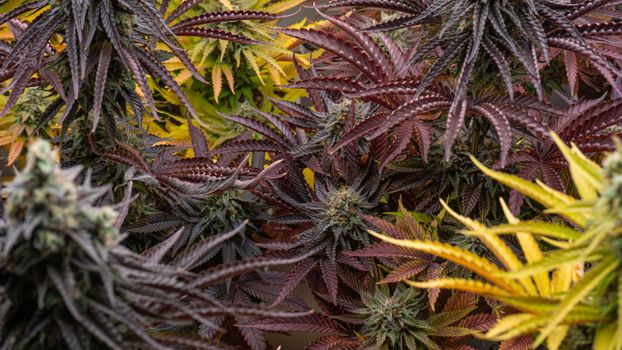 Photo: GB The Green Brand / Pexels
Achieving premium cannabis quality and maximizing yields in California, whether indoors, outdoors, or in a mixed-light setup, hinges critically on precise environmental control. Each cultivation method presents unique challenges and opportunities for manipulating the growing environment to suit the plant's needs throughout its lifecycle. For indoor cultivation, the grower has almost complete dominion over every environmental factor. This includes light intensity and spectrum, temperature, humidity, CO2 levels, and airflow. High-intensity discharge (HID) lamps, LEDs, or a combination thereof are used to mimic natural sunlight, with specific spectrums optimized for vegetative growth and flowering. Temperature and humidity must be meticulously maintained within narrow ranges to prevent stress, mold, and pest infestations; typically, temperatures between 68-78°F (20-26°C) and humidity between 40-70% (decreasing during flowering) are ideal. CO2 enrichment can significantly boost photosynthetic rates and yield, often reaching levels of 1200-1500 ppm in sealed indoor environments. Proper ventilation and air circulation are also vital to prevent stagnant air pockets and strengthen plant stems.
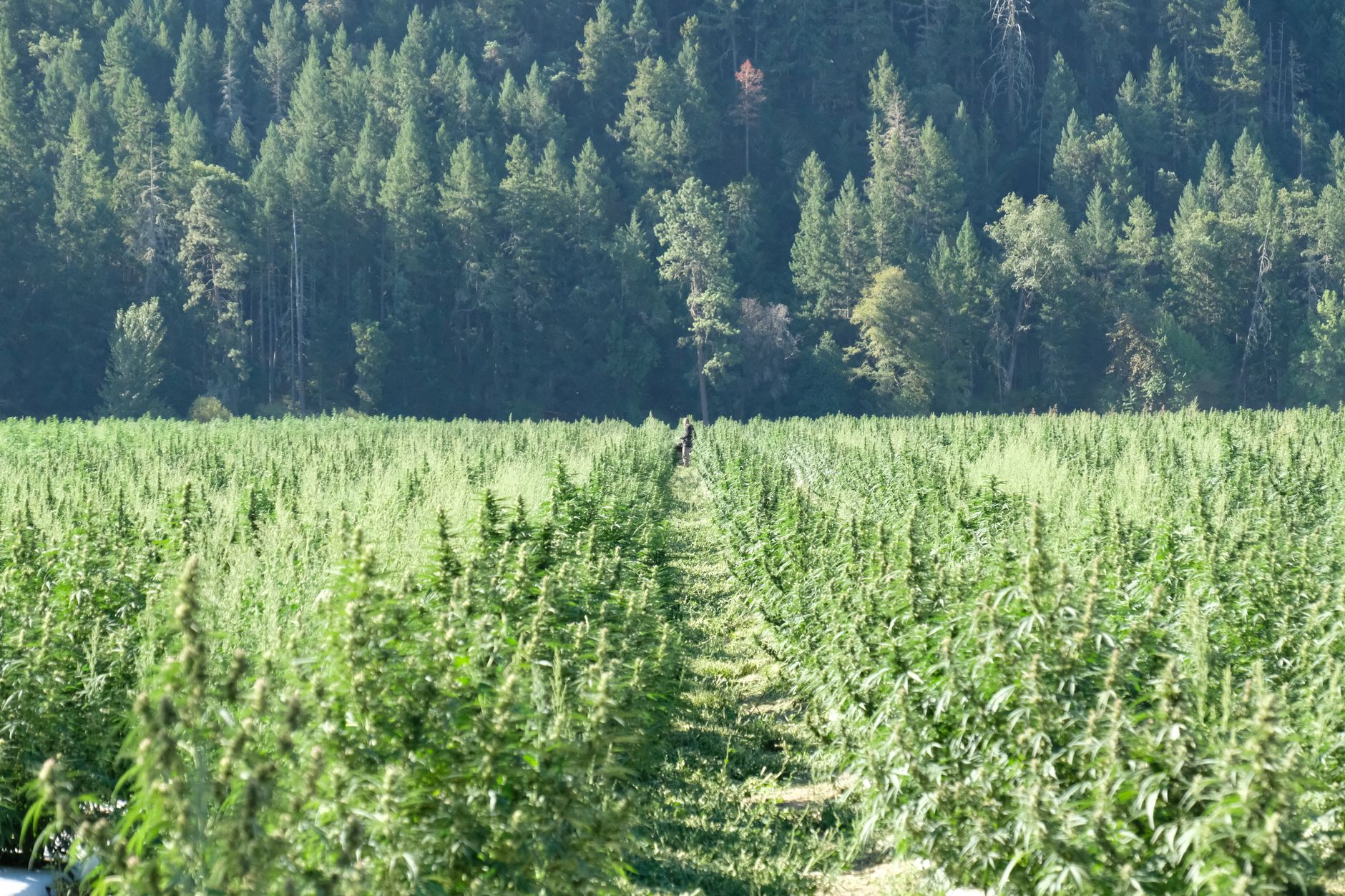
Outdoor cultivation in California benefits from the state's diverse microclimates and abundant sunshine, but it also means growers are subject to the whims of nature. While direct sunlight is free and powerful, growers must contend with fluctuating temperatures, humidity, and the potential for adverse weather events like heatwaves, cold snaps, or heavy rains. Strategic site selection is crucial, considering factors like sun exposure, wind patterns, and proximity to water sources. Hoop houses or shade cloth can be employed to protect plants from extreme heat or cold, extend the growing season, and mitigate pest pressure. Water management is a paramount concern, especially given California's drought cycles; efficient irrigation systems like drip lines are essential to conserve resources and deliver nutrients effectively. Mixed-light cultivation, often utilizing greenhouses, offers a hybrid approach, combining natural sunlight with supplemental artificial lighting. This method allows growers to harness the cost-effectiveness of sunlight while gaining greater control over light cycles and intensity, extending daylight hours, or providing light during cloudy periods. Greenhouses can also offer protection from pests and weather, and enable some degree of temperature and humidity regulation through ventilation and heating/cooling systems. Regardless of the method, continuous monitoring with sensors and automated systems is becoming standard practice to ensure optimal conditions. Understanding the specific needs of different cannabis strains (indica, sativa, hybrids) and adjusting environmental parameters accordingly is also a mark of advanced cultivation, leading to higher cannabinoid and terpene profiles and ultimately, a superior product for the discerning California market.
Sustainable Practices and Integrated Pest Management in California Cultivation
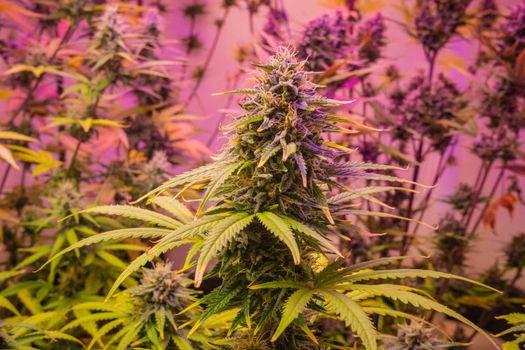 Photo: Keloke Grow / Pexels
As the cannabis industry matures in California, sustainability and responsible cultivation practices are no longer optional but essential for long-term success and regulatory compliance. Environmental stewardship is a significant focus, particularly regarding water usage, energy consumption, and waste reduction. California's arid climate and frequent droughts mean that water conservation is a critical issue for cultivators. Implementing efficient irrigation techniques such as drip systems, hydroponics, and aeroponics can drastically reduce water consumption compared to traditional flood-and-drain or hand-watering methods. Recirculating hydroponic systems, for instance, can use up to 90% less water than soil-based cultivation. Beyond irrigation, collecting rainwater and reusing condensate from HVAC systems are becoming more common practices. Energy efficiency is another major concern, especially for indoor and mixed-light operations. High-intensity grow lights, HVAC systems, and dehumidifiers are significant energy consumers. Cultivators are increasingly adopting energy-efficient LED lighting, optimizing insulation, using natural ventilation where possible, and exploring renewable energy sources like solar panels to reduce their carbon footprint and operational costs. Waste management also plays a crucial role; California regulations require strict protocols for the disposal of cannabis waste, often mandating rendering it unusable before disposal. Composting plant waste, recycling growing media, and minimizing single-use plastics contribute to a more sustainable operation.
Integrated Pest Management (IPM) is a cornerstone of sustainable cannabis cultivation in California, driven by strict state regulations on pesticide use. The DCC maintains a list of approved pesticides, and many common agricultural chemicals are prohibited for cannabis cultivation. This forces cultivators to adopt a more holistic and proactive approach to pest and disease control. IPM strategies begin with prevention: using sterile growing media, ensuring proper sanitation of cultivation areas, screening incoming plants for pests, and maintaining optimal environmental conditions to reduce plant stress, which can make them more susceptible to infestations. Biological controls, such as introducing beneficial insects (e.g., ladybugs for aphids, predatory mites for spider mites), are a primary component of IPM. Botanical pesticides, derived from natural plant extracts, are also used as a last resort, but always with careful consideration of their impact on the plant and environment. Regular scouting and monitoring of plants for early signs of pests or diseases are crucial, allowing for targeted interventions before problems escalate. This might involve manual removal of pests, pruning affected leaves, or adjusting environmental factors. Record-keeping is also vital for IPM, tracking pest populations, intervention methods, and their effectiveness. Adhering to these sustainable and IPM practices not only ensures compliance with California's stringent regulations but also results in a cleaner, safer, and higher-quality product for consumers, enhancing the cultivator's reputation and marketability in a competitive industry. These practices reflect a growing commitment within the
cannabis industry to responsible agricultural methods.
Key Challenges and Best Practices for California Cannabis Cultivators
 Photo: Kindel Media / Pexels
California's cannabis cultivation landscape, while lucrative, is rife with unique challenges that require strategic planning and robust operational practices. One of the foremost challenges is the high cost of doing business. This includes exorbitant licensing fees at both state and local levels, significant upfront investment in infrastructure (especially for indoor and mixed-light operations), and high operational expenses related to energy, water, labor, and compliance. Taxes further burden cultivators, with state excise taxes and cultivation taxes impacting profitability. Navigating the complex tax structure and ensuring proper accounting is a significant hurdle for many.
Another major challenge is market volatility and competition. California is a saturated market, leading to fluctuating wholesale prices and intense competition among growers. Overproduction can drive prices down, impacting smaller cultivators disproportionately. Developing a strong brand, cultivating unique or high-demand strains, and establishing reliable distribution channels are crucial for market survival.
**Best Practices for Success:**
* **Comprehensive Business Planning:** Develop a detailed business plan encompassing financial projections, market analysis, operational strategies, and a clear understanding of your target consumer. This plan should be dynamic and adaptable to market changes.
* **Rigorous Compliance Management:** Dedicate resources to staying abreast of evolving state and local regulations. Consider hiring a compliance officer or consultant. Implement robust record-keeping systems for all aspects of your operation, from seed-to-sale tracking to waste disposal.
* **Advanced Environmental Control:** Invest in technology that allows for precise control over your grow environment. This includes automated irrigation, climate control systems, and advanced lighting. Data-driven cultivation leads to consistent quality and optimized yields.
* **Proactive Integrated Pest Management (IPM):** Implement a holistic IPM strategy from day one. Focus on prevention, biological controls, and approved organic solutions. Regular scouting and immediate action are key to avoiding costly infestations and crop loss.
* **Water and Energy Efficiency:** Prioritize sustainable practices. Implement water-saving irrigation, explore renewable energy options, and optimize your facility's energy footprint. This not only benefits the environment but also reduces long-term operational costs.
* **Quality Control and Testing:** Ensure all products undergo rigorous third-party testing for potency, pesticides, heavy metals, and microbials. Consistent quality builds consumer trust and brand reputation.
* **Strong Distribution Networks:** Establish reliable relationships with distributors and retailers. Understand the supply chain dynamics and position your product effectively in the market.
* **Continuous Education and Adaptation:** The cannabis industry is rapidly evolving. Stay informed about new cultivation techniques, strain genetics, market trends, and regulatory updates. Be prepared to adapt your strategies to remain competitive and compliant.