Legal Age for Cannabis California: Your Comprehensive Guide
legal age for cannabis California

Legal Age for Cannabis California: Your Comprehensive Guide

Unlock everything you need to know about cannabis legality in California for both recreational and medicinal purposes.

Explore California Cannabis Laws

Key Takeaways

  • ✓ The legal age for recreational cannabis use in California is 21.
  • ✓ Individuals 18 and older can access medical cannabis with a valid doctor's recommendation.
  • ✓ Possession limits apply: 1 ounce (28.5 grams) of flower or 8 grams of concentrate for recreational users.
  • ✓ Cannabis consumption is prohibited in public places, including federal land and within 1,000 feet of schools.
  • ✓ Driving under the influence of cannabis is illegal and carries severe penalties.

How It Works

1
Understand Your Age Group

Determine if you are 21+ for recreational use or 18+ with a medical recommendation. This is the foundational step to legal cannabis access.

2
Locate Licensed Dispensaries

Only purchase cannabis from state-licensed retailers, identifiable by their official licenses. Avoid unlicensed sources to ensure product safety and legality.

3
Know Possession & Purchase Limits

Familiarize yourself with the maximum amount of cannabis you can legally possess and purchase per day. Exceeding these limits can lead to legal issues.

4
Comply with Consumption Rules

Consume cannabis only in private residences or designated areas, away from public view and federal property. Public consumption is strictly prohibited.

Recreational Cannabis: The 21+ Rule in California

Adult man enjoying a smoke indoors, surrounded by a casual home setting. Photo: RDNE Stock project / Pexels
California has long been at the forefront of cannabis reform in the United States, culminating in the passage of Proposition 64, the Adult Use of Marijuana Act, in 2016. This landmark legislation fundamentally reshaped the landscape of cannabis legality in the Golden State, establishing a clear framework for recreational use. Central to this framework is the stipulation that the legal age for cannabis California for recreational purposes is 21 years old. This age requirement aligns with that of alcohol consumption, reflecting a consistent policy approach to regulated substances. For anyone looking to purchase, possess, or consume cannabis recreationally, verifying that they are at least 21 is the very first and most crucial step. Retailers are legally obligated to check government-issued identification to confirm the age of their customers, and failure to do so can result in severe penalties for the establishment. This strict adherence to age verification is a cornerstone of responsible cannabis regulation, aimed at preventing underage access and promoting public health. Beyond the age requirement, recreational users must also be aware of possession limits. Currently, adults 21 and over are legally permitted to possess up to 28.5 grams (one ounce) of dried cannabis flower or up to 8 grams of concentrated cannabis. Cultivation is also allowed for personal use, with a limit of six cannabis plants per residence. However, these plants must be grown in a secure, non-public area. Understanding these limits is essential, as exceeding them can lead to civil penalties or even criminal charges, depending on the quantity. It's also important to distinguish between purchasing and consuming. While purchasing from licensed dispensaries is legal for those 21+, consumption is restricted. Public consumption, including in bars, restaurants, parks, and on sidewalks, remains illegal. The law generally restricts consumption to private residences or state-licensed consumption lounges, where available. Furthermore, driving under the influence of cannabis is strictly prohibited and carries penalties similar to those for driving under the influence of alcohol. The state employs various methods to detect impaired driving, and individuals found to be driving while impaired by cannabis face significant legal consequences, including fines, license suspension, and potential jail time. Therefore, while California has embraced recreational cannabis, it has done so with a robust regulatory framework designed to ensure public safety and responsible use. Adhering to the 21+ age limit, understanding possession restrictions, and being mindful of where and how cannabis can be consumed are paramount for anyone navigating California's recreational cannabis market legally and safely. Ignoring these regulations can lead to unnecessary legal complications and undermine the state's efforts to create a well-regulated cannabis industry. For more information on navigating the complexities of the California cannabis market, consider exploring resources on California dispensary rules.

Medical Cannabis: Access for 18+ with a Recommendation

A doctor in a white coat conducts an ear exam on a patient indoors. Photo: RDNE Stock project / Pexels
Before the advent of recreational cannabis, California led the nation with the passage of Proposition 215, the Compassionate Use Act, in 1996, legalizing medical cannabis. This established a separate pathway for individuals aged 18 and older to access cannabis for medicinal purposes, provided they obtain a valid recommendation from a licensed physician. This distinction in age—18 for medical versus 21 for recreational—is a critical aspect of California's cannabis laws, reflecting the state's commitment to patient access. To qualify for medical cannabis, an individual must have a qualifying medical condition as determined by a physician. While the specific list of conditions is broad and often left to the discretion of the recommending doctor, common conditions include chronic pain, cancer, glaucoma, AIDS, spasticity, and any other illness for which cannabis is deemed to provide relief. The process typically involves an evaluation by a California-licensed doctor who specializes in cannabis recommendations. Upon approval, the patient receives a medical cannabis recommendation, which can then be used to purchase cannabis from licensed medical dispensaries. While not legally required, obtaining a state-issued Medical Marijuana Identification Card (MMIC) offers additional benefits, such as protection from arrest for certain cannabis-related offenses and exemption from state sales and use taxes on cannabis purchases. This card serves as an official verification of a patient's status and is recognized statewide. Medical cannabis patients generally enjoy more lenient possession and cultivation limits compared to recreational users. While specific limits can vary based on a patient's medical needs as outlined in their doctor's recommendation, the general guideline allows for up to eight ounces of dried cannabis and cultivation of up to six mature or 12 immature plants. These higher limits are designed to ensure patients have sufficient access to their medicine. However, it is crucial for medical patients to carry their doctor's recommendation and/or MMIC when possessing larger quantities to avoid legal issues. Even with a medical recommendation, the rules regarding consumption locations remain largely consistent with recreational use: public consumption is prohibited. Patients should consume their medicine in private settings where it is legally permitted. Furthermore, driving under the influence of cannabis is just as illegal for medical patients as it is for recreational users. Medical status does not provide an exemption from DUI laws. Therefore, while the legal age for medical cannabis is lower, and possession limits are more generous, medical patients must still adhere to the state's regulations concerning purchase sources, consumption locations, and impaired driving. Understanding these nuances is vital for medical cannabis patients to ensure they are utilizing cannabis legally and responsibly under California law. The intent behind the medical cannabis program is to provide therapeutic relief, and adherence to its specific regulations ensures the program's integrity and patient safety.

Navigating Possession, Purchase, and Consumption Limits in California

A vibrant indoor greenhouse with abundant cannabis plants thriving under natural light. Photo: Cannafornia / Pexels
Understanding the precise limits for possession, purchase, and consumption is paramount for anyone engaging with cannabis in California, regardless of whether they are a recreational user or a medical patient. These regulations are designed to balance individual freedoms with public safety and order. For recreational users aged 21 and above, the legal possession limit is 28.5 grams (one ounce) of non-concentrated cannabis, such as dried flower, or 8 grams of concentrated cannabis, which includes products like vape cartridges, waxes, and edibles. It's important to note that these limits apply to the total amount an individual can possess at any given time, not per purchase. Exceeding these limits can lead to legal repercussions, ranging from fines to more serious charges depending on the quantity. When it comes to purchasing, consumers can buy up to these amounts per day from state-licensed dispensaries. These dispensaries track purchases to ensure compliance with daily limits. The state's seed-to-sale tracking system helps monitor the flow of cannabis from cultivation to retail, further ensuring regulatory adherence. For medical cannabis patients aged 18 and above with a valid doctor's recommendation, the possession and purchase limits are generally more expansive. While the default recreational limit applies if no specific medical need is documented, patients can possess up to 8 ounces of dried cannabis. Cultivation limits are also more generous for medical patients, allowing for up to six mature or twelve immature cannabis plants per residence. These higher limits are intended to ensure patients have sufficient access to their medicine, especially for those with severe or chronic conditions. However, patients should always carry their medical recommendation or MMIC to demonstrate their legal right to these higher limits. The rules surrounding consumption are equally critical. California law strictly prohibits public consumption of cannabis. This means no smoking, vaping, or consuming edibles in public places such as parks, sidewalks, restaurants, or while driving. Consumption is generally restricted to private residences or state-licensed cannabis consumption lounges. These lounges, while still relatively few, offer a legal and safe space for public consumption. It's also illegal to consume cannabis within 1,000 feet of a school, daycare center, or youth center while children are present. Furthermore, federal law still classifies cannabis as an illegal substance, meaning it is unlawful to consume or possess cannabis on federal land, including national parks, forests, and military bases, even if these are within California's borders. This federal prohibition extends to interstate travel, making it illegal to transport cannabis across state lines, regardless of the legality in the destination state. Driving under the influence of cannabis (DUIC) is a serious offense in California. Law enforcement officers are trained to recognize signs of impairment, and if suspected, drivers may be subject to field sobriety tests or blood tests. Penalties for DUIC are comparable to those for driving under the influence of alcohol, including fines, license suspension, and potential jail time. Therefore, adherence to these possession, purchase, and consumption limits is not merely a suggestion but a legal requirement. Being informed and responsible about these regulations is key to safely and legally navigating California's cannabis market. For further details on responsible cannabis use, refer to resources on responsible cannabis use.

Common Misconceptions and Crucial Tips for Cannabis Users
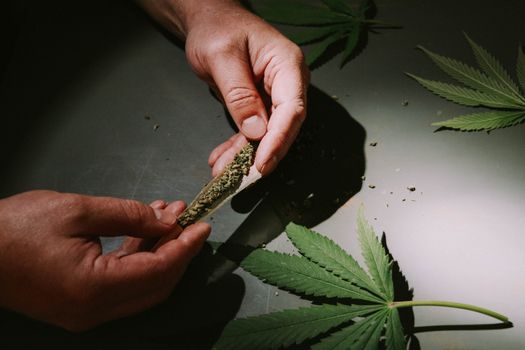
Hands preparing a cannabis joint with marijuana leaves on a table. Photo: Elsa Olofsson / Pexels
Despite California's progressive stance on cannabis, many misconceptions persist, and new users often make avoidable mistakes. Being well-informed is your best defense against legal pitfalls and ensures a safe experience. One prevalent misconception is that because cannabis is legal in California, it's legal everywhere. This is profoundly untrue. Cannabis remains illegal under federal law, meaning you cannot transport it across state lines, even to other states where it is legal. Federal lands within California, such as national parks, are also off-limits for cannabis possession or consumption. Another common error is assuming that medical cannabis patients are exempt from all restrictions. While medical patients have higher possession limits and potentially tax benefits, they are still subject to restrictions on public consumption and driving under the influence. A medical recommendation does not grant immunity from these core regulations. Some individuals also mistakenly believe that cannabis purchased from unlicensed sources is safe or legal. This is a dangerous assumption. Unlicensed products often contain harmful contaminants, pesticides, or inaccurate potency labels. Always purchase from state-licensed dispensaries which undergo rigorous testing and regulatory oversight. You can verify a dispensary's license through the California Bureau of Cannabis Control (BCC) website. Here are some crucial tips for cannabis users in California:
  • Always Carry ID: Whether you're 21 for recreational use or 18 with a medical recommendation, always have a valid government-issued ID ready when purchasing cannabis.
  • Know Your Limits: Be aware of the legal possession and purchase limits for your specific status (recreational or medical) and do not exceed them.
  • Consume Responsibly: Designate a private, safe space for consumption. Never consume in public, and absolutely never drive after consuming cannabis. Arrange for a designated driver or use rideshare services.
  • Store Securely: Keep cannabis out of reach of children and pets. Use child-resistant packaging and store it in a cool, dark place to maintain potency and freshness.
  • Understand Product Labeling: Familiarize yourself with THC, CBD, and other cannabinoid percentages. Start with low doses, especially with edibles, as their effects can be delayed and more intense.
  • Be Mindful of Odor: While legal, the smell of cannabis can still be a nuisance. Be considerate of neighbors and public spaces.
  • Stay Updated: Cannabis laws can evolve. Periodically check official state resources like the California Department of Cannabis Control (DCC) for any updates to regulations.
By dispelling myths and adhering to these tips, you can enjoy cannabis safely and legally within California's regulatory framework, contributing to a responsible and sustainable cannabis market.

Comparison

FeatureRecreational (21+)Medical (18+ with Rec)
Minimum Age21 years old18 years old
Doctor's Recommendation Required
Possession Limit (Flower)1 oz (28.5g)Up to 8 oz (with Rec)
Possession Limit (Concentrate)8 gramsUp to 8 grams (with Rec)
Home Cultivation Limit6 plants per residence6 mature/12 immature plants (with Rec)
Tax Exemptions✓ (with MMIC)
Public Consumption Allowed
Driving Under Influence Allowed

What Readers Say

"This article clarified all my questions about the legal age for cannabis California. I appreciate the clear breakdown between recreational and medical use. It's incredibly helpful for navigating the laws responsibly."

Sarah L. · Los Angeles, CA

"As someone new to California, understanding the legal age for cannabis was crucial. This guide was comprehensive and easy to follow, especially the tips on possession limits and consumption rules."

Mark D. · San Francisco, CA

"The distinction between 18+ for medical and 21+ for recreational was explained perfectly. I was able to confidently understand my rights and responsibilities after reading this."

Jessica R. · San Diego, CA

"Very informative content, though I wish there was a bit more detail on qualifying medical conditions. Still, it's an excellent overview of the legal age for cannabis California and its associated laws."

David M. · Sacramento, CA

"This guide helped me ensure I was purchasing from a licensed dispensary and understood the federal vs. state law conflict. Essential reading for anyone interested in cannabis in California."

Emily T. · Oakland, CA

Frequently Asked Questions

What is the absolute minimum legal age for cannabis in California?

The absolute minimum legal age for cannabis in California is 18 years old, but this applies exclusively to individuals with a valid medical cannabis recommendation from a licensed physician. For recreational purposes, the legal age is strictly 21 years old.

Can I use my out-of-state medical marijuana card in California?

No, California does not recognize out-of-state medical marijuana cards for purchasing medical cannabis. Out-of-state visitors must adhere to California's recreational cannabis laws, meaning they must be 21 years or older to purchase and possess cannabis.

How can I verify if a cannabis dispensary is legal in California?

You can verify the legality of a cannabis dispensary by checking their license status on the California Department of Cannabis Control (DCC) website. Licensed dispensaries are required to display their state license number, usually prominently, at their location and on their website.

Are there any tax benefits for medical cannabis patients in California?

Yes, qualified medical cannabis patients who possess a state-issued Medical Marijuana Identification Card (MMIC) are exempt from paying the state sales and use tax on their cannabis purchases. They are still subject to cultivation and excise taxes.

What is the difference between federal and state cannabis laws in California?

In California, cannabis is legal for both recreational and medical use under state law. However, under federal law, cannabis remains classified as an illegal Schedule I controlled substance. This means federal prohibitions apply on federal land (like national parks) and regarding interstate commerce, even within California.

Who should be most concerned about the legal age for cannabis California regulations?

Anyone looking to purchase, possess, or consume cannabis in California should be concerned with these regulations. Specifically, individuals under 21 who might be tempted to acquire cannabis, and medical patients ensuring their documentation is current, must pay close attention to avoid legal issues.

Is it safe to drive after consuming cannabis if I'm within the legal age?

No, it is never safe or legal to drive under the influence of cannabis, regardless of your age or medical status. Driving while impaired by cannabis carries severe penalties, similar to those for alcohol-impaired driving. Always arrange for a sober driver or use rideshare services.

What future changes might affect the legal age for cannabis California?

While the legal ages (18 for medical, 21 for recreational) are well-established, future changes might focus on expanding consumption lounges, refining tax structures, or further integrating cannabis into the healthcare system. The core age requirements are unlikely to change in the near future, but regulatory adjustments are always possible.

Understanding the legal age for cannabis in California is your first step towards responsible and lawful enjoyment. Always verify your age, purchase from licensed retailers, and adhere to consumption guidelines to ensure a safe and compliant experience in the Golden State's cannabis market.

Topics: legal age for cannabis CaliforniaCalifornia cannabis lawsrecreational marijuana age CAmedical cannabis age CaliforniaCalifornia marijuana regulations
Leo List

DK Escorts LU Escorts AT Escorts SE Escorts FI Escorts CH Escorts DE Escorts HR Escorts IE Escorts GR Escorts CZ Escorts NO Escorts BE Escorts FR Escorts SI Escorts IL Escorts NL Escorts PL Escorts HU Escorts ES Escorts IT Escorts PT Escorts SK Escorts RO Escorts ZA Escorts UY Escorts US Escorts UK Escorts NZ Escorts AU Escorts
Brampton weed
Adultwork EstrelaBet Vai de Bet R7 Bet Betão Galera Bet Rainbet Bet9ja Shop SportyBet BetKing Sisal Loto Foot Hollywoodbets YesPlay Odibets RushBet Jugabet BetWarrior BetCity MSport betPawa Fortebet