Legal Age to Buy Cannabis California: Your Complete Guide
legal age to buy cannabis California

Legal Age to Buy Cannabis California: Your Complete Guide

Navigate California's cannabis laws with confidence and clarity, ensuring legal and safe access.

Understand the Laws Now

Key Takeaways

  • ✓ Recreational cannabis purchase age is 21+ with valid ID.
  • ✓ Medical cannabis patients can be 18+ with a doctor's recommendation and state ID card.
  • ✓ Possession limits apply to both recreational and medical users.
  • ✓ Consumption in public places remains illegal statewide.

How It Works

1
Verify Your Age

Ensure you are 21 or older for recreational use, or 18 with a valid medical recommendation. Always carry government-issued identification.

2
Locate a Licensed Dispensary

Only purchase from state-licensed dispensaries or delivery services. Look for their state license number, usually displayed prominently.

3
Understand Purchase Limits

Be aware of daily and possession limits for cannabis flower, concentrates, and edibles. Exceeding these limits is illegal.

4
Know Consumption Rules

Consume cannabis responsibly and privately. Public consumption, driving under the influence, and crossing state lines with cannabis are prohibited.

Understanding California's Recreational Cannabis Laws and Age Requirements

A vibrant indoor greenhouse with abundant cannabis plants thriving under natural light. Photo: Cannafornia / Pexels
California, a pioneer in cannabis reform, legalized adult-use recreational cannabis through Proposition 64, the Adult Use of Marijuana Act (AUMA), in November 2016. This landmark legislation fundamentally reshaped the landscape of cannabis access and regulation within the state. A core tenet of AUMA was the establishment of a minimum age for recreational purchase and consumption. Specifically, individuals must be 21 years of age or older to purchase, possess, or consume non-medical cannabis products. This age limit aligns with the legal drinking age for alcohol in the United States, reflecting a consistent approach to regulating substances perceived to carry similar societal considerations. The rationale behind the 21+ age requirement is multifaceted. Primarily, it's rooted in public health concerns, particularly regarding brain development. Research suggests that the human brain continues to develop until the mid-20s, and early cannabis use can potentially impact this process. By setting the age at 21, policymakers aim to mitigate potential risks associated with adolescent cannabis exposure. Furthermore, it helps to create a clear distinction between adult-use and medical cannabis access, which has different age thresholds. When you approach a licensed dispensary in California for recreational cannabis, the first and most crucial step will be age verification. You will be required to present a valid, government-issued identification that clearly shows your date of birth. Acceptable forms of ID typically include a California driver's license or state ID card, a U.S. passport, or a military ID. Dispensaries are legally mandated to deny service to anyone who cannot provide proof of being 21 or older. This strict adherence to ID checking is a cornerstone of responsible cannabis retailing and is regularly audited by state regulatory bodies. It's important to differentiate between federal and state law. While cannabis remains federally illegal, California has established its own robust regulatory framework. This creates a unique legal environment where state-licensed businesses operate openly, yet federal restrictions still apply, especially concerning interstate commerce and banking. For consumers, understanding this dual legal status is vital, particularly when considering travel outside of California with cannabis products. The recreational market in California is designed to be accessible yet controlled, ensuring that products are tested for safety and that sales are restricted to adults who meet the age criteria. This system is a complex balance, aiming to provide adult access while protecting public health and safety. Always ensure you are purchasing from a licensed retailer, as unlicensed sales circumvent these crucial age verification and product safety protocols. Understanding California's cannabis regulations is key to a safe experience.

Medical Cannabis Access: Age and Requirements for Patients in California
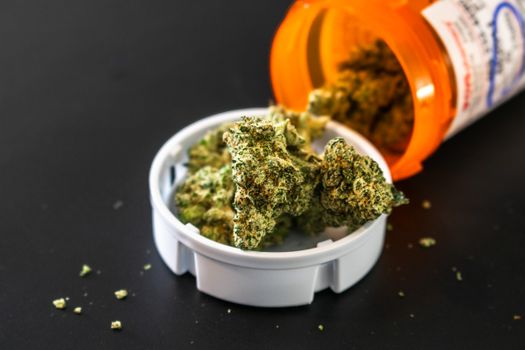
Close-up of medical cannabis spilling from an orange prescription bottle onto a surface. Photo: Terrance Barksdale / Pexels
While the recreational cannabis age is firmly set at 21, California maintains a separate and distinct framework for medical cannabis, which allows for access at a younger age under specific conditions. The Compassionate Use Act of 1996 (Proposition 215) first established the right for seriously ill Californians to obtain and use cannabis for medical purposes with a physician's recommendation. This was further refined and strengthened by the Medical Cannabis Regulation and Safety Act (MCRSA) and later integrated into the broader regulatory scheme post-AUMA. For medical cannabis, the minimum age requirement is 18 years old. However, this access is not as straightforward as recreational purchase. To legally purchase medical cannabis at 18 (or older), an individual must first obtain a valid physician's recommendation. This recommendation is typically issued by a licensed California physician who has determined that the patient has a qualifying medical condition that could benefit from cannabis use. Qualifying conditions are broadly defined and often include chronic pain, cancer, AIDS, glaucoma, spasticity, and other debilitating conditions. Beyond the doctor's recommendation, patients have the option to apply for a Medical Marijuana Identification Card (MMIC) through their county's health department. While not strictly mandatory for purchasing medical cannabis (a doctor's recommendation alone can suffice at many dispensaries), the MMIC offers several advantages. Firstly, it provides an official, state-issued identification that verifies your status as a qualified patient, often leading to reduced state and local sales taxes on medical cannabis purchases. This can result in significant cost savings over time. Secondly, it offers a higher degree of legal protection, as it is a government-issued card that clearly identifies the holder as a medical cannabis patient, potentially simplifying interactions with law enforcement. For minors under the age of 18, access to medical cannabis is even more restrictive and requires additional safeguards. A minor patient must have a severe medical condition and obtain recommendations from two separate physicians. Furthermore, a parent or legal guardian must consent to the minor's medical cannabis use and serve as the minor's primary caregiver. This caregiver is then responsible for purchasing and administering the cannabis to the minor. This stringent process underscores the state's commitment to protecting minors while still allowing access for those with genuine medical needs. Dispensaries serving medical patients will require both the physician's recommendation and a valid government-issued ID to verify the patient's age and identity. If the patient possesses an MMIC, that will also be checked. It's crucial for medical patients to keep their recommendation and/or MMIC current, as expired documents are not accepted. The system for medical cannabis access is designed to ensure legitimate medical need while preventing diversion to the recreational market, particularly for younger individuals.

Navigating Purchase Limits and Possession Laws in California
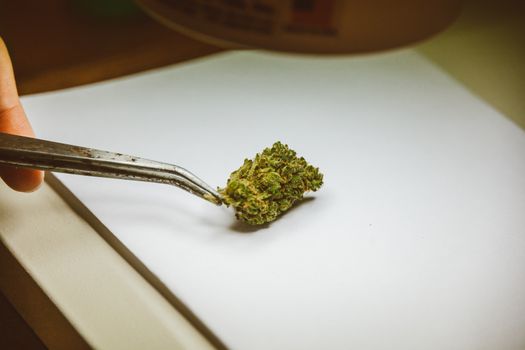
Close-up of a marijuana nugget delicately held by tweezers on a white background. Photo: Jess Loiterton / Pexels
Understanding the legal age to buy cannabis in California is only one piece of the puzzle; consumers must also be aware of the state's stringent purchase and possession limits. These limits are in place to regulate the flow of cannabis products, prevent illegal diversion, and ensure responsible consumption. Whether you are a recreational user or a medical patient, adhering to these limits is a critical aspect of legal compliance. Exceeding these amounts can lead to legal penalties, including fines and potential jail time, depending on the quantity involved. For recreational users (21 years and older), the general possession limit is one ounce (28.5 grams) of non-concentrated cannabis, which primarily refers to cannabis flower. In addition to flower, recreational users can possess up to eight grams of concentrated cannabis. This includes products like oils, waxes, shatter, and edibles that contain cannabis concentrates. It's important to note that edibles are typically measured by their THC content, and the eight-gram limit applies to the concentrated THC within the product, not necessarily the total weight of the edible itself. Cultivation is also permitted for recreational users, with a limit of six living cannabis plants per residence, regardless of the number of adults living there. These plants must be grown in a secure, non-public location. Medical cannabis patients (18 years and older with a valid recommendation) generally have higher possession and cultivation limits, reflecting their medical needs. While the standard medical possession limit is also eight ounces (approximately 226 grams) of dried cannabis, a qualified patient or their primary caregiver may possess an amount of cannabis consistent with their medical needs, as recommended by their physician. This allows for flexibility for patients with more severe conditions requiring higher doses or specific product types. Similarly, medical patients can cultivate more than six plants if their physician's recommendation specifies a larger quantity is medically necessary. It's crucial that any higher limits are clearly documented in the physician's recommendation to avoid legal issues. Dispensaries are legally obligated to track purchases to ensure customers do not exceed daily limits. They use point-of-sale systems that often link to a statewide tracking system to monitor sales. Attempting to purchase more than the legal limit, even from different dispensaries on the same day, is a violation of state law. Furthermore, transporting cannabis across state lines, even to other states where cannabis is legal, remains a federal offense due to cannabis's Schedule I status under federal law. This applies to both recreational and medical cannabis. Consumers should always be mindful of these regulations to ensure a safe and legal cannabis experience in California. Understanding possession laws is just as vital as knowing the age limit.

Common Mistakes and Best Practices for Legal Cannabis Purchase and Use in CA
Close-up of a cannabis leaf resting on an American dollar bill, symbolizing the intersection of finance and cannabis culture. Photo: Kindel Media / Pexels
Navigating California's cannabis laws, while generally straightforward for adults, still presents opportunities for common mistakes. Being informed about these pitfalls and adopting best practices will ensure a hassle-free and legal experience. The most frequent error consumers make is purchasing cannabis from unlicensed sources. Despite the prevalence of legal dispensaries, an illicit market still exists. Unlicensed sellers often do not verify age, sell untested products that may contain harmful pesticides or contaminants, and operate outside the legal framework. Always verify a dispensary's license by looking for the state-issued license number, which should be prominently displayed, or by checking the Bureau of Cannabis Control's (BCC) online license search tool. This simple step protects your health and ensures you are supporting the legal, regulated market. Another common mistake involves public consumption. While California has legalized cannabis, public consumption remains largely illegal. This includes smoking, vaping, or consuming edibles in parks, on sidewalks, in restaurants, or any place where tobacco smoking is prohibited. The general rule of thumb is to consume cannabis on private property, out of public view, and with the property owner's permission. Violations can result in fines. Similarly, driving under the influence of cannabis is strictly prohibited and carries severe penalties, akin to those for drunk driving. Even if you feel capable of driving, any measurable amount of impairment can lead to a DUI charge. It's always safest to arrange for a designated driver or use rideshare services if you plan to consume cannabis. Regarding possession, people sometimes forget about the limits when purchasing multiple products. For instance, buying an ounce of flower and then an edible with 8 grams of THC concentrate would put a recreational user at their legal limit. Exceeding these limits, even slightly, can lead to legal trouble. Always double-check the amounts you are purchasing. Furthermore, traveling with cannabis, particularly across state lines or on federal lands (like national parks), is illegal. Even at airports, while individual airlines may have varying policies, federal law prohibits cannabis on planes. If you're flying out of California, it's best to consume or dispose of any cannabis before entering airport security. Best practices include carrying valid identification at all times when purchasing or possessing cannabis. Keep cannabis products in their original, child-resistant packaging to demonstrate legal purchase and quantity. Store cannabis securely at home, out of reach of minors and pets. For medical patients, always keep your physician's recommendation or MMIC with you. Stay informed about changes in cannabis laws, as regulations can evolve. By being diligent and responsible, consumers can fully enjoy the benefits of California's legal cannabis market while remaining compliant with the law.

Comparison

FeatureRecreational (Adult Use)Medical Patient (18+)Medical Patient (Under 18)
Minimum Age21+18+Under 18 (with guardian)
ID RequiredGovernment IDGov ID + Doctor Rec (MMIC optional)Gov ID + 2 Doctor Recs + Guardian
Tax Benefits✓ (Reduced Sales Tax)✓ (Reduced Sales Tax)
Possession Limit (Flower)1 oz (28.5g)8 oz (226g) or as recommendedAs recommended by 2 doctors
Cultivation Limit6 plants per residence6 plants or as recommendedAs recommended by 2 doctors

What Readers Say

"This guide was incredibly helpful! I was confused about the legal age to buy cannabis in California, especially with the medical vs. recreational differences. Now I feel confident knowing exactly what's required."

Sarah J. · Los Angeles, CA

"As someone new to California, the info on purchase limits and ID requirements was spot on. I appreciated the clarity on why the 21+ age exists for recreational use. Saved me from a potential mistake."

Mark D. · San Francisco, CA

"The details on medical cannabis access for 18-year-olds were exactly what I needed for my condition. Understanding the MMIC benefits and the process for minors is a huge relief for families."

Emily R. · San Diego, CA

"While most of the information was clear, I wish there was a bit more emphasis on the federal vs. state law distinction, especially for travel. Still, a very comprehensive resource for the legal age to buy cannabis California."

Carlos M. · Sacramento, CA

"I often see people making mistakes with public consumption. This guide's section on common pitfalls is crucial. It really helps to clarify the nuances beyond just the legal age to buy cannabis in California."

Jessica L. · Oakland, CA

Frequently Asked Questions

What is the absolute minimum legal age to buy cannabis in California?

The absolute minimum legal age to buy recreational cannabis in California is 21 years old. For medical cannabis, individuals aged 18 and over can purchase with a valid physician's recommendation and appropriate identification. Minors under 18 can access medical cannabis with multiple doctor recommendations and a designated adult caregiver.

Can I use an out-of-state ID to purchase cannabis in California?

Yes, licensed dispensaries in California generally accept any valid, unexpired government-issued identification from any U.S. state or territory, or a valid passport from any country, as long as it clearly shows you are 21 years or older. The ID must be legitimate and scannable for age verification.

How do I get a medical cannabis recommendation in California?

To get a medical cannabis recommendation, you must consult with a licensed California physician who will evaluate your medical condition. If they determine cannabis could be beneficial, they will provide a written recommendation. You can then choose to apply for a state-issued Medical Marijuana Identification Card (MMIC) through your county health department for additional benefits.

Are there different prices or taxes for recreational vs. medical cannabis?

Yes, medical cannabis patients with a valid Medical Marijuana Identification Card (MMIC) are exempt from state sales and use tax on their cannabis purchases. Recreational users and medical patients without an MMIC are subject to all applicable state and local sales taxes, in addition to the excise tax on cannabis products. This often makes medical cannabis cheaper.

Is it legal to consume cannabis in my car if I'm parked?

No, it is illegal to consume cannabis in a vehicle, whether it's parked or in motion. This falls under the prohibition of public consumption and laws against open containers of cannabis in vehicles. Cannabis must be transported in a sealed package or the trunk, and consumption should only occur on private property where permitted.

Who should be particularly careful about the legal age and rules?

Anyone visiting California, especially those unfamiliar with the state's specific cannabis laws, should be particularly careful. Also, individuals aged 18-20 who might mistakenly believe they can purchase recreational cannabis need to be aware of the 21+ rule. Parents or guardians of minor medical patients also have specific responsibilities regarding legal access and administration.

What are the risks of buying cannabis from an unlicensed source?

Buying from an unlicensed source carries significant risks. Products are not tested for pesticides, heavy metals, or contaminants, posing serious health dangers. Unlicensed sellers often don't verify age, making them illegal and unsafe. You also have no legal recourse if the product is faulty, and you could face legal penalties for participating in the illicit market.

Will the legal age for cannabis in California ever change?

While the current legal age of 21 for recreational cannabis and 18 for medical access is well-established, cannabis laws are subject to legislative changes and public ballot initiatives. Any future changes would likely be driven by new scientific research, evolving public opinion, or shifts in federal policy, but there are no immediate indications of a change to the current age limits.

Armed with this comprehensive guide, you now understand the nuances of the legal age to buy cannabis in California. Ensure your cannabis journey is safe, legal, and informed by always adhering to the state's regulations. Explore California's licensed dispensaries with confidence, knowing you're fully compliant.

Topics: legal age to buy cannabis CaliforniaCalifornia cannabis lawsrecreational marijuana age CAmedical cannabis age Californiacannabis purchase requirements CA
Leo List
Brampton weed
Adultwork EstrelaBet Vai de Bet R7 Bet Betão Galera Bet Rainbet Bet9ja Shop SportyBet BetKing Sisal Loto Foot Hollywoodbets YesPlay Odibets RushBet Jugabet BetWarrior BetCity MSport betPawa Fortebet