How to Grow Cannabis California: Your Ultimate Guide
grow cannabis California

How to Grow Cannabis California: Your Ultimate Guide

Unlock the secrets to cultivating premium cannabis legally and successfully in the Golden State, from seed to harvest.

Start Growing Today

Key Takeaways

  • ✓ Adults 21+ can legally grow up to six cannabis plants for personal use in California.
  • ✓ Cultivation must occur in a locked, private space, invisible to the public.
  • ✓ Local jurisdictions may impose additional restrictions or bans on outdoor cultivation.
  • ✓ Understanding California's Prop 64 and local ordinances is crucial before starting.

How It Works

1
Understand CA Law & Local Ordinances

Before planting, familiarize yourself with California's Proposition 64, which permits adult personal cultivation. Crucially, research your specific city or county's ordinances, as they can add further restrictions on plant count, indoor/outdoor growing, and permitting requirements.

2
Choose Your Grow Method & Strain

Decide between indoor or outdoor cultivation based on your space, climate, and privacy. Select a cannabis strain suitable for your chosen environment and desired effects, considering factors like growth habit, flowering time, and resistance to pests/diseases prevalent in California.

3
Set Up Your Grow Environment

Gather essential equipment: lights, ventilation, growing medium, nutrients, and pH testing kits. Ensure your space provides optimal temperature, humidity, and air circulation for healthy plant development, creating a stable and controlled habitat.

4
Plant, Nurture & Harvest

Germinate your seeds or root your clones, then transplant them into their primary growing medium. Provide consistent care, including watering, feeding, pruning, and pest management, until your plants reach maturity and are ready for the rewarding harvest, drying, and curing process.

Navigating California's Cannabis Cultivation Laws
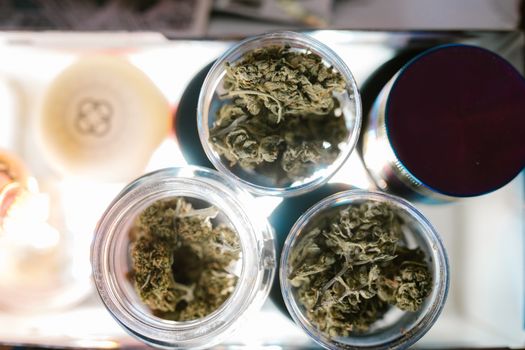
Open cannabis box containing weed, glass pipe, and rolling papers for legal use. Photo: RDNE Stock project / Pexels
Embarking on your journey to grow cannabis in California begins with a thorough understanding of the legal landscape. The Golden State has been at the forefront of cannabis legalization, and Proposition 64, passed in 2016, laid the groundwork for adult-use cannabis, including personal cultivation. Under state law, adults 21 years or older are permitted to cultivate up to six cannabis plants for personal use at their private residence. This limit applies regardless of whether the plants are mature or immature. However, it's not as simple as just planting a seed in your backyard. The law specifies that cultivation must occur in a locked area, not visible from a public place. This often means growing indoors or within a securely fenced area that completely obscures the plants from public view. Crucially, while state law sets a baseline, local jurisdictions in California have significant authority to enact their own ordinances regarding cannabis cultivation. This is where many aspiring growers can encounter unexpected hurdles. Some cities and counties have outright banned outdoor cultivation, requiring all personal grows to be indoors. Others have imposed stricter limits on plant count, or require specific permits and inspections for home cultivation. For instance, a city might allow six plants indoors but prohibit any outdoor growing, or even limit the total number of plants per parcel, regardless of how many adults reside there. Before you even think about purchasing seeds or clones, your first and most vital step is to check with your local city and county planning or code enforcement departments. Their websites are usually a good starting point, or a direct phone call can clarify any ambiguities. Ignoring local ordinances can lead to significant fines, plant confiscation, and other legal repercussions. Remember, compliance is key to a stress-free and successful cultivation experience. Understanding these nuances is paramount to legally cultivating cannabis in California and avoiding potential legal pitfalls. Always prioritize local regulations over general state guidelines when planning your grow operation.

Choosing Your Grow Environment: Indoor vs. Outdoor in CA

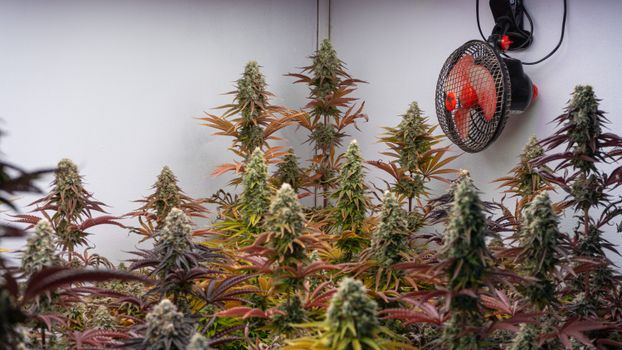
Detailed view of a cannabis plant flowering in an indoor greenhouse. Photo: Haley Bee / Pexels
Once you've navigated the legalities, the next pivotal decision for how to grow cannabis in California is selecting your cultivation environment: indoors or outdoors. Each method presents unique advantages and challenges, particularly within California's diverse climate zones. Outdoor cultivation, when permitted by local ordinances, can be incredibly rewarding. California's abundant sunshine, especially in regions like the Emerald Triangle or the Central Valley, provides a natural light source that is hard to replicate artificially. This can lead to larger plants, higher yields, and a potentially lower energy bill compared to indoor setups. However, outdoor growing exposes your plants to the elements – unpredictable weather fluctuations, pests, and diseases are constant threats. Privacy is also a major concern; plants must be in a secure, non-visible location. Furthermore, the specific microclimates across California mean that what thrives in a coastal fog might struggle in desert heat, making strain selection critical for outdoor growers. Indoor cultivation offers unparalleled control over the growing environment. You can precisely manage temperature, humidity, light cycles, and air circulation, creating optimal conditions for your plants year-round, regardless of external weather. This control allows for multiple harvests per year and the ability to grow specific strains that might not fare well outdoors. The discreet nature of indoor growing also addresses privacy concerns and often aligns better with local regulations that restrict outdoor visibility. However, indoor setups require a significant initial investment in equipment – grow lights (LED, HPS, CMH), ventilation systems (fans, carbon filters), humidifiers/dehumidifiers, and climate control devices. Energy consumption can also be substantial, impacting your utility bills. Space is another consideration, as indoor grows are typically limited by the size of your grow tent or room. For those new to growing, an indoor setup can provide a more controlled learning environment, mitigating some of the variables inherent in outdoor cultivation. Ultimately, the best choice depends on your specific circumstances, local laws, budget, and desired level of control over the growing process. Many successful California growers opt for a hybrid approach, leveraging the best of both worlds.

Essential Equipment and Setup for California Growers

Vibrant indoor cannabis plants in a cultivation room, Silla, Spain. Photo: GB The Green Brand / Pexels
Setting up your grow space effectively is fundamental to successfully grow cannabis in California. Whether you opt for indoor or outdoor, certain equipment and considerations are universal, while others are specific to your chosen environment. For indoor growers, lighting is paramount. High-intensity discharge (HID) lights like HPS (High-Pressure Sodium) and MH (Metal Halide) have been industry staples, but LED (Light Emitting Diode) technology has advanced significantly, offering energy efficiency, lower heat output, and a full spectrum of light tailored for different growth stages. Your choice will impact yield, energy costs, and heat management. Ventilation is equally critical; an exhaust fan with a carbon filter is essential for odor control and to remove stale, hot air, while an oscillating fan ensures good air circulation within the canopy, preventing mold and strengthening stems. A thermometer/hygrometer combo is vital for monitoring temperature and humidity, which need to be carefully maintained for optimal plant health. A grow tent provides a contained environment, reflecting light efficiently and simplifying climate control. For both indoor and outdoor grows, selecting the right growing medium is crucial. Soil is a popular choice for beginners due to its forgiving nature and buffering capabilities. High-quality organic potting mixes specifically formulated for cannabis provide a good start. Hydroponic systems, while more complex, can offer faster growth and larger yields by delivering nutrients directly to the roots. Regardless of the medium, a reliable pH meter is indispensable, as nutrient uptake is highly dependent on the pH level of your water and nutrient solution. Cannabis thrives in a slightly acidic to neutral range (pH 6.0-7.0 for soil, 5.5-6.5 for hydro). Nutrients are the building blocks for your plants; a good quality nutrient line designed for cannabis will provide the necessary macro and micronutrients throughout the vegetative and flowering stages. Finally, pest and disease management tools, such as organic pesticides or beneficial insects, are important to have on hand. Investing in quality equipment from the outset will save you headaches and contribute significantly to a bountiful harvest when you grow cannabis in California. Remember to research and choose products that align with your budget and the scale of your operation, always keeping the specific needs of your chosen cannabis strain in mind.

Cultivation Techniques and Common Pitfalls for CA Growers

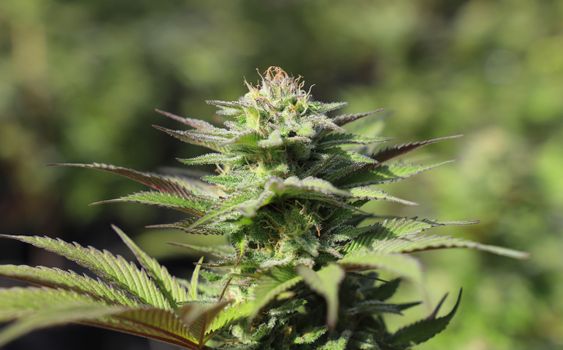
Cannabis plant being examined, showcasing green leaves and latex gloves. Photo: Kindel Media / Pexels
Mastering cultivation techniques is where the art and science of growing cannabis truly converge. For those learning how to grow cannabis in California, understanding the plant's life cycle and applying appropriate care is key. Cannabis plants typically go through two main stages: vegetative and flowering. During the vegetative stage, the plant focuses on developing robust foliage and stems. This is when techniques like topping (removing the main stem tip) or FIMming (F*** I Missed) can be employed to encourage bushier growth and more colas (flowering sites). Low-Stress Training (LST) involves gently bending and tying down branches to create an even canopy, maximizing light exposure to all potential bud sites. As the plant transitions to the flowering stage, it will begin to produce buds. This stage requires a shift in nutrient ratios (more phosphorus and potassium) and, for indoor growers, a change in the light cycle (typically 12 hours on, 12 hours off). Common pitfalls for California growers often include overwatering, nutrient deficiencies or excesses, and pest infestations. Overwatering is a frequent beginner mistake, leading to root rot and stunted growth; always allow the top inch or two of soil to dry out before watering again. Nutrient issues can manifest as discolored leaves or stunted growth; understanding the signs of common deficiencies (e.g., nitrogen deficiency causing yellowing lower leaves) and excesses (e.g., nutrient burn from too much fertilizer) is crucial. Regular pH testing of your water and runoff will help prevent nutrient lockout. Pests like spider mites, thrips, and powdery mildew can quickly decimate a crop, especially in outdoor environments. Implementing preventative measures, such as introducing beneficial insects or using organic neem oil, and regularly inspecting your plants are vital. For outdoor growers, the hot California sun can sometimes lead to heat stress, while coastal fog can increase the risk of mold. Proper air circulation and strategic plant placement can mitigate these risks. Learning to identify and address these issues promptly will significantly improve your chances of a successful and abundant harvest.

Comparison

FeatureIndoor GrowOutdoor GrowGreenhouse Grow
Control over EnvironmentHighLowMedium-High
Initial Setup CostMedium-HighLowMedium
Energy ConsumptionHighLowMedium
Pest/Disease RiskLow-MediumHighMedium
Yield PotentialConsistentVariable (Weather Dependent)High (Optimized Sun)
Privacy/Discretion
Local Ordinance ComplexityLowerHigherMedium

What Readers Say

"This guide was a lifesaver for learning how to grow cannabis in California! I was so overwhelmed by the local laws, but the breakdown here made it clear. My first indoor grow was a huge success thanks to the detailed setup advice."

Sarah J. · Oakland, CA

"As an outdoor grower, I really appreciated the tips on pest management and dealing with the California climate. My plants are thriving this season, and I've avoided the mildew issues I had last year after following this article's advice."

Mark D. · San Diego, CA

"I used this guide to set up my first legal home grow. The step-by-step instructions for choosing equipment and understanding nutrient cycles led to a fantastic yield of over 4 ounces from just two plants. Highly recommend!"

Jessica L. · Sacramento, CA

"Very comprehensive, especially on the legal aspects which can be confusing in LA. I wish there was a bit more on specific strain recommendations for different CA regions, but overall, an excellent resource for anyone looking to grow cannabis in California."

Carlos R. · Los Angeles, CA

"This article demystified the entire process of how to grow cannabis in California. From germinating seeds to curing, every stage was explained clearly. My friends are amazed at the quality of my homegrown flower now!"

Emily S. · Santa Rosa, CA

Frequently Asked Questions

Is it legal to grow cannabis at home in California?

Yes, under California's Proposition 64, adults 21 years or older can legally grow up to six cannabis plants for personal use at their private residence. However, these plants must be cultivated in a locked area, not visible from a public place. It's crucial to check local city and county ordinances, as they can impose additional restrictions or even bans on outdoor cultivation.

What are the common mistakes new growers make in California?

New growers often make mistakes such as overwatering, improper pH levels leading to nutrient lockout, and neglecting pest prevention. Not researching local ordinances and failing to provide adequate ventilation and air circulation are also common pitfalls. Consistent monitoring and a proactive approach to plant health are key to avoiding these issues.

How do I choose the best cannabis strain for growing in California?

Choosing a strain depends on your grow environment (indoor/outdoor), local climate, and desired effects. For outdoor grows, consider strains resistant to local pests and diseases, and those that thrive in your specific microclimate (e.g., heat-tolerant for inland areas, mold-resistant for coastal regions). For indoor grows, you have more flexibility, but consider plant size and flowering time.

What is the typical cost to start a home cannabis grow in California?

The initial cost can vary widely. A basic indoor setup for 1-2 plants might cost $300-$600 for lights, tent, fans, and basic nutrients. A more advanced setup for six plants could range from $1,000 to $3,000+. Outdoor growing has lower initial equipment costs but might require investment in fencing or security. Ongoing costs include electricity, nutrients, and pest control.

How does growing cannabis in California differ from other legal states?

California's unique aspect lies in its diverse climate zones, allowing for both robust outdoor and indoor cultivation. The state's large population and established cannabis culture also mean a wide availability of genetics and resources. However, the significant autonomy of local jurisdictions to enact stricter rules than state law is a key difference, requiring more localized research compared to some other states with more uniform regulations.

Who should consider growing their own cannabis in California?

Anyone 21 or older residing in California who is interested in controlling the quality, genetics, and cultivation practices of their cannabis should consider growing. It's ideal for those seeking specific strains not readily available, or who want to save money on dispensary purchases in the long run. It also appeals to individuals who enjoy gardening and the satisfaction of a homegrown product.

What are the safety considerations for home cannabis cultivation?

Safety considerations include ensuring electrical setups for indoor grows are safe and up to code to prevent fires, especially with high-wattage lights. Proper ventilation is crucial to prevent mold and maintain air quality. For outdoor grows, security measures like locked fences are important to prevent theft and ensure plants are not visible to the public, adhering to legal requirements. Always handle nutrients and pesticides safely according to instructions.

What are the future trends for home cannabis growing in California?

Future trends in California home growing include increasing adoption of sustainable practices like living soil and water-efficient hydroponics. There's also a growing interest in automated grow systems and smart technology for remote monitoring and climate control. As genetics advance, we'll likely see more resilient, high-yielding strains tailored for specific California microclimates and home cultivation environments.

Ready to cultivate your own premium cannabis right here in the Golden State? By understanding California's unique legal framework, selecting the right environment, and applying proven cultivation techniques, you can achieve a successful and rewarding home grow. Start your journey today and experience the satisfaction of homegrown quality.

Topics: grow cannabis CaliforniaCalifornia cannabis cultivationlegal cannabis grow CAhome grow cannabis Californiacannabis growing tips California
Leo List
Brampton weed
Adultwork EstrelaBet Vai de Bet R7 Bet Betão Galera Bet Rainbet Bet9ja Shop SportyBet BetKing Sisal Loto Foot Hollywoodbets YesPlay Odibets RushBet Jugabet BetWarrior BetCity MSport betPawa Fortebet