How to Grow Cannabis California: Your Ultimate Guide
grow cannabis California

How to Grow Cannabis California: Your Ultimate Guide

Unlock the secrets to cultivating exceptional cannabis at home, legally and effectively, within California's vibrant regulations.

Start Growing Today

Key Takeaways

  • ✓ California allows adults 21+ to grow up to 6 cannabis plants for personal use.
  • ✓ Cultivation must occur in a locked, private space, not visible from public view.
  • ✓ Indoor growing offers greater control over environmental factors.
  • ✓ Outdoor growing can yield larger plants but is subject to climate and pests.

How It Works

1
Understand CA Regulations

Before germinating your first seed, familiarize yourself with California's Proposition 64 and local ordinances. Ensure your grow space meets all legal requirements to avoid penalties.

2
Choose Your Growing Method

Decide between indoor, outdoor, or greenhouse cultivation based on your space, budget, and desired control. Each method has unique demands and benefits for your cannabis plants.

3
Select Genetics & Setup

Research and choose cannabis strains suited for California's climate (if outdoor) and your personal preferences. Gather essential equipment like lights, nutrients, and a ventilation system.

4
Nurture Your Plants to Harvest

Follow a consistent feeding, watering, and lighting schedule through vegetative and flowering stages. Monitor for pests and diseases, and learn to identify optimal harvest times for peak potency.

Navigating California's Cannabis Cultivation Laws
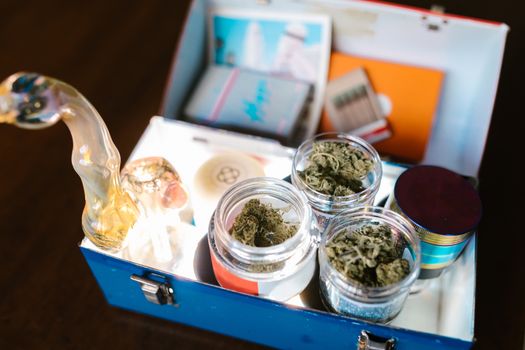
Open cannabis box containing weed, glass pipe, and rolling papers for legal use. Photo: RDNE Stock project / Pexels
Growing cannabis in California, the pioneering state for legal adult-use marijuana, comes with specific regulations that every home grower must understand. Proposition 64, passed in 2016, legalized recreational cannabis for adults 21 and older, allowing them to possess and cultivate a limited number of plants for personal use. The cornerstone of this legislation permits adults to grow up to six cannabis plants per residence, regardless of the number of adults residing there. This limit is crucial, as exceeding it can lead to legal complications. It's important to note that these six plants must be cultivated in a locked area, not visible from a public place. This means no growing plants openly in your front yard or on a balcony easily seen by passersby. Indoor cultivation in a spare room, garage, or even a dedicated grow tent is often the easiest way to meet this visibility requirement while also providing greater control over environmental factors. Beyond state law, local jurisdictions in California have the authority to enact their own additional ordinances regarding personal cultivation. This is a critical point that many new growers overlook. While the state sets the baseline, cities and counties can further restrict plant counts, dictate where cultivation can occur (e.g., only indoors), or require specific permits. For instance, some cities might require a cultivation permit even for personal use, or they might prohibit outdoor cultivation entirely within city limits. Before you even think about germinating a seed, it is absolutely essential to check with your specific city and county planning departments or local law enforcement agencies to understand any additional restrictions that may apply to your property. Ignoring local ordinances can result in fines, plant confiscation, or even more severe penalties. Understanding the intent behind these laws is also helpful. The regulations are designed to prevent large-scale illegal operations, protect public safety, and ensure cannabis remains out of the hands of minors. Cultivating for commercial purposes without the proper state and local licenses is strictly prohibited and carries significant penalties. Personal cultivation is just that – for personal use only. You cannot sell or distribute the cannabis you grow under these provisions. Keeping your grow discreet, secure, and compliant with all state and local laws is the foundation of a successful and stress-free home cultivation experience in California. Always prioritize legal compliance to protect yourself and your harvest. For more in-depth information on cannabis laws, consider consulting official state and local government resources or a legal professional specializing in cannabis law. Many resources are available to help you navigate these complex regulations, ensuring you can enjoy the benefits of growing your own cannabis legally.

Choosing Your Cultivation Method: Indoor vs. Outdoor in CA
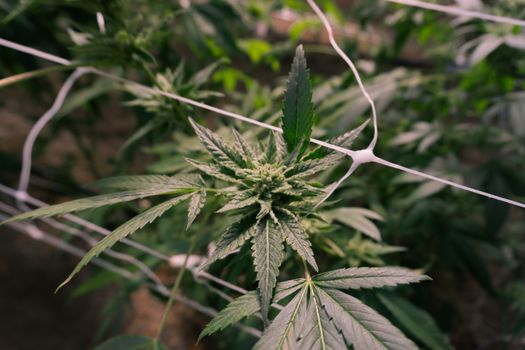
Detailed view of a cannabis plant flowering in an indoor greenhouse. Photo: Haley Bee / Pexels
The choice between indoor and outdoor cultivation is one of the most fundamental decisions a home grower in California faces, and each method presents its own set of advantages and challenges. California's diverse climate, ranging from temperate coastal zones to arid deserts and mountainous regions, offers unique opportunities for outdoor growers. Outdoor cultivation, often seen as the most natural and cost-effective method, leverages the power of the sun. This can lead to larger plants and potentially higher yields, as sunlight is a powerful and free energy source. For growers in regions with long, warm summers and mild autumns, like much of California's Central Valley or parts of the Emerald Triangle, outdoor growing can be incredibly rewarding. However, outdoor cultivation also exposes your plants to uncontrollable elements: pests, diseases, extreme weather (heatwaves, unexpected frosts, heavy winds), and even theft. Maintaining discretion is also more challenging outdoors, especially given the legal requirement that plants not be visible from public view. This often necessitates fences, tarps, or strategic placement within a secure, private yard. Soil quality, water availability, and local microclimates become critical considerations for outdoor growers. Indoor cultivation, while requiring a larger initial investment in equipment, offers unparalleled control over the growing environment. You can precisely manage light cycles, temperature, humidity, and CO2 levels, creating optimal conditions for your plants regardless of the weather outside. This control often translates to more consistent quality, faster growth cycles (allowing for multiple harvests per year), and significantly reduced risk of pests and diseases. Common indoor setups include grow tents, spare rooms, or custom-built grow boxes. Essential equipment for indoor growing includes high-quality grow lights (LED, HPS, CMH), an exhaust system for ventilation and odor control (carbon filters are a must for discretion), fans for air circulation, and environmental monitors to track temperature and humidity. While the initial setup cost can be substantial, the ability to cultivate year-round and precisely tailor conditions often justifies the investment for serious home growers. Many Californian growers also utilize greenhouses, which offer a hybrid approach. Greenhouses harness natural sunlight but provide a protected environment, allowing for some control over temperature and humidity, and shielding plants from direct pests and harsh weather. This method can be particularly effective in regions with slightly less predictable outdoor climates. Ultimately, the best method for you will depend on your available space, budget, desired level of control, and local climate conditions. Carefully weigh the pros and cons of each to make an informed decision that aligns with your cultivation goals.

Essential Steps for Successful Cannabis Cultivation
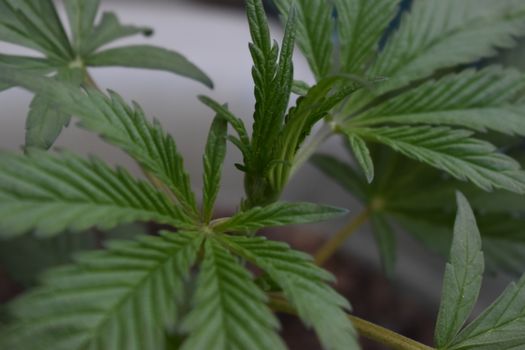
Detailed closeup of cannabis leaves and bud, vibrant green, outdoor growth. Photo: Jave Lr / Pexels
Once you've navigated the legal landscape and chosen your cultivation method, the practical steps of growing cannabis begin. This journey, from seed to harvest, requires attention to detail and a foundational understanding of plant biology. **1. Seed Germination and Seedling Care:** Your cultivation journey starts with viable seeds. Common germination methods include the paper towel method, direct sowing into soil, or using specialized starter cubes. Once germinated, tiny seedlings are delicate and require high humidity, gentle lighting, and careful watering. Overwatering is a common mistake at this stage. Providing a stable, warm environment will encourage healthy root development. **2. Vegetative Growth:** This is the period where your plants focus on developing strong stems and lush foliage. During vegetative growth, cannabis plants require 18-24 hours of light per day (for indoor grows) and a nutrient regimen rich in nitrogen. This stage is crucial for building the plant's structure, which will support heavy buds later on. Techniques like topping, FIMming, LST (low-stress training), and SCROG (screen of green) can be employed to shape your plants, improve light penetration, and maximize yields. Regular pruning of lower branches and leaves will also direct energy to the canopy and improve air circulation, reducing the risk of mold and pests. Consistent watering, allowing the top inch or two of soil to dry out between waterings, is key. Monitoring pH levels of your water and nutrient solution is also vital, as cannabis plants prefer a slightly acidic to neutral range (typically 6.0-7.0 for soil, 5.5-6.5 for hydro/coco) for optimal nutrient uptake. An imbalance can lead to nutrient lockout, where plants cannot absorb nutrients even if they are present. **3. Flowering Stage:** This is where the magic happens – your plants start producing buds! For indoor growers, initiating flowering involves switching the light cycle to 12 hours of light and 12 hours of uninterrupted darkness. Outdoor plants will naturally transition to flowering as daylight hours shorten in late summer. During this stage, plants require higher levels of phosphorus and potassium and reduced nitrogen. Humidity should be lowered to prevent mold, especially as buds begin to swell. Monitoring for male plants (which produce pollen sacs and can pollinate your females, leading to seedy buds) and removing them immediately is critical, unless you are intentionally breeding. **4. Harvest, Drying, and Curing:** Identifying the perfect harvest time is an art. It's typically determined by observing the trichomes (tiny, mushroom-shaped glands on the buds) with a jeweler's loupe. Growers often aim for a mix of milky white and amber trichomes for peak potency and desired effects. Once harvested, the plants need to be dried slowly in a dark, cool, and well-ventilated space to preserve terpenes and cannabinoids. After drying, buds are then cured in airtight containers, burping them daily to release moisture and allow for continued breakdown of chlorophyll, resulting in a smoother, more flavorful smoke. Proper drying and curing can make or break the quality of your final product, transforming good buds into great ones. This entire process, from selecting your seeds to the final cure, is a rewarding journey for any cannabis enthusiast.

Common Pitfalls and Advanced Tips for CA Growers
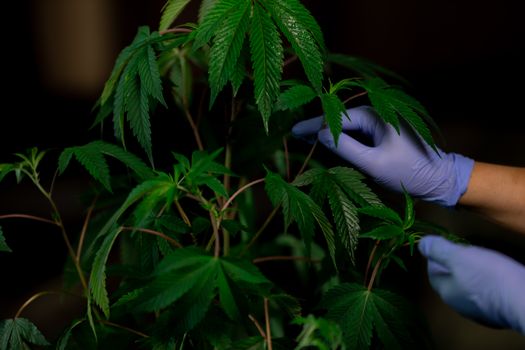
Cannabis plant being examined, showcasing green leaves and latex gloves. Photo: Kindel Media / Pexels
Even with the best intentions, new cannabis growers in California can encounter common pitfalls. Being aware of these can save you time, effort, and your precious plants. One of the most frequent mistakes is **overwatering**. Cannabis roots need oxygen, and constantly saturated soil suffocates them, leading to root rot and nutrient deficiencies. Always check the soil moisture before watering – if the top inch or two is dry, it's likely time to water. Another common issue is **nutrient burn** or **nutrient lockout**. Overfeeding with excessive nutrients can burn plant leaves, while incorrect pH levels can prevent plants from absorbing available nutrients, even if they're present in the solution. Invest in a reliable pH meter and EC/TDS meter to monitor your nutrient solution accurately. **Pest and disease management** is crucial, especially for outdoor growers. Common California pests include spider mites, aphids, and powdery mildew. Regular inspection of your plants, especially the undersides of leaves, can help catch infestations early. Organic pest control methods like neem oil, insecticidal soaps, or beneficial insects can be effective. Good air circulation and proper humidity levels are your best defense against mold and mildew. For those looking to elevate their cultivation game, consider these advanced tips: * **Strain Selection for California Climate:** If growing outdoors, choose strains known for their resilience and suitability to your specific microclimate. Indica-dominant strains often finish faster, which can be advantageous in areas with shorter outdoor seasons or early autumn rains. Sativa-dominant strains might thrive in longer, hotter summers. * **Integrated Pest Management (IPM):** Implement a holistic approach to pest control that includes prevention, monitoring, and intervention, rather than just reacting to infestations. * **Advanced Training Techniques:** Beyond basic topping, explore techniques like mainlining, super cropping, or defoliation to significantly improve light penetration and yield. These methods require a good understanding of plant response. * **Composting and Soil Building:** For outdoor growers, building healthy, living soil through composting and amending with organic matter will dramatically improve plant health and reduce the need for synthetic fertilizers. * **Water Quality:** Test your tap water for chlorine, chloramines, and hard minerals. Filtering your water or letting it sit out for 24 hours can improve its quality for your plants. * **Genetic Preservation:** If you find a particularly robust or high-yielding phenotype, learn how to take clones to preserve those desirable genetics for future grows. By avoiding common errors and embracing advanced techniques, California home growers can achieve truly exceptional results, transforming their personal cultivation into a sophisticated and rewarding endeavor.

Comparison

FeatureIndoor GrowOutdoor GrowGreenhouse Grow
Control over EnvironmentHighLowMedium
Initial Setup CostHighLowMedium
Operating Cost (Energy)HighLow (Sun)Medium (Partial Sun)
Yield PotentialConsistent, ModerateHigh (Weather Dependent)High
Pest/Disease RiskLowHighMedium
Discretion/SecurityHighLowMedium
Harvests per YearMultipleOne (Seasonal)One to Two

What Readers Say

"This guide was a lifesaver for learning how to grow cannabis in California. I was worried about the legalities, but it broke down Prop 64 and local rules perfectly. My first harvest was fantastic thanks to the detailed steps!"

Alex R. · Los Angeles, CA

"As a new grower, I needed clear, concise information. This article delivered! The comparison between indoor and outdoor growing helped me decide on a greenhouse setup, and my plants are thriving. Highly recommend this for anyone starting their grow journey here."

Maria S. · Sacramento, CA

"I've been growing for a few years, but this article on how to grow cannabis in California offered some advanced tips I hadn't considered, especially regarding IPM. My latest yield was 20% larger and of higher quality after implementing the suggestions."

David L. · San Jose, CA

"Very comprehensive guide! It covered most of what I needed to know. I wish there were a bit more on specific strain recommendations for coastal California, but overall, an excellent resource for legal home cultivation."

Jessica M. · San Diego, CA

"Even in the heart of cannabis country, understanding the nuances of how to grow cannabis in California legally can be tricky. This article clarified everything for my home grow, ensuring I'm compliant and successful. Fantastic resource!"

Ben T. · Eureka, CA

Frequently Asked Questions

What are the legal limits for growing cannabis at home in California?

In California, adults 21 years or older are legally allowed to cultivate up to six cannabis plants per private residence for personal use. This limit applies regardless of how many adults live at the residence. It's crucial to also check local city and county ordinances, as they may have additional restrictions.

Do I need a permit to grow cannabis for personal use in California?

Generally, a state permit is not required for personal cultivation of up to six plants. However, some individual cities or counties in California may require specific local permits or registrations, especially for outdoor grows or if you are exceeding certain square footage limits. Always check with your local municipality.

What's the best time of year to start an outdoor cannabis grow in California?

For outdoor cannabis cultivation in California, the ideal time to start is typically in spring, around April or May, after the last frost. This allows plants to benefit from the increasing daylight hours of summer for vegetative growth before transitioning to flowering as the days shorten in late summer and early autumn.

How much does it cost to set up an indoor cannabis grow in California?

The cost of an indoor cannabis grow setup can vary widely. A basic grow tent setup with LED lights, ventilation, and nutrients might start from a few hundred dollars ($300-$800). More advanced or larger setups with high-end equipment can easily run into several thousand dollars ($1,000-$3,000+), not including ongoing electricity costs.

Is it better to grow cannabis indoors or outdoors in California?

The 'better' option depends on your priorities. Indoor growing offers complete environmental control, year-round harvests, and discretion, but has higher initial and ongoing costs. Outdoor growing leverages free sunlight and can yield larger plants, but is subject to weather, pests, and requires careful compliance with visibility laws. Many Californian growers find a hybrid greenhouse approach beneficial.

Who should consider growing their own cannabis in California?

Anyone in California aged 21 or older who is interested in controlling the quality, genetics, and cultivation process of their cannabis should consider growing their own. It's ideal for those seeking specific strains, wanting to avoid dispensary costs long-term, or simply enjoying the horticultural hobby of cannabis cultivation.

What are the risks of growing cannabis illegally in California?

Growing cannabis illegally in California (e.g., exceeding plant limits, growing commercially without a license, or in public view) can lead to significant legal risks. These include fines, confiscation of plants, criminal charges (misdemeanors or felonies depending on scale and intent), and potential property forfeiture. Always adhere strictly to state and local laws.

What are future trends for home cannabis cultivation in California?

Future trends in California home cannabis cultivation are likely to include more sophisticated automation (smart grow systems), increased use of sustainable and organic growing practices, wider availability of diverse genetics, and potentially clearer local regulations as the market matures. Advancements in LED lighting and nutrient delivery systems will also continue to make home growing more efficient and accessible.

Ready to cultivate your own premium cannabis in the Golden State? This comprehensive guide on how to grow cannabis in California provides all the knowledge you need to start your journey legally and successfully. Begin your rewarding home cultivation adventure today!

Topics: grow cannabis CaliforniaCalifornia cannabis cultivationpersonal cannabis grow CAcannabis growing laws California
Leo List

DK Escorts LU Escorts AT Escorts SE Escorts FI Escorts CH Escorts DE Escorts HR Escorts IE Escorts GR Escorts CZ Escorts NO Escorts BE Escorts FR Escorts SI Escorts IL Escorts NL Escorts PL Escorts HU Escorts ES Escorts IT Escorts PT Escorts SK Escorts RO Escorts ZA Escorts UY Escorts US Escorts UK Escorts NZ Escorts AU Escorts
Brampton weed
Adultwork EstrelaBet Vai de Bet R7 Bet Betão Galera Bet Rainbet Bet9ja Shop SportyBet BetKing Sisal Loto Foot Hollywoodbets YesPlay Odibets RushBet Jugabet BetWarrior BetCity MSport betPawa Fortebet