
How to Get Cannabis License California: Your Comprehensive Guide
Navigate the complex landscape of California's cannabis licensing with expert insights and practical steps to secure your business's future.
Start Your ApplicationKey Takeaways
- ✓ California operates a dual licensing system: state and local.
- ✓ Applications require detailed business plans and operational procedures.
- ✓ Significant capital investment is typically needed for start-up and compliance.
- ✓ Local jurisdiction approval is often a prerequisite for state licensing.
How It Works
Research both the state's Department of Cannabis Control (DCC) regulations and specific city/county ordinances where you plan to operate. Local approval is often the first critical hurdle.
Craft a comprehensive plan detailing your business structure, financial projections, security measures, and operational procedures. This document is central to your application's success.
Gather all necessary documentation, including property information, environmental impact reports, and proof of legal entity formation. Submit both your local and state applications meticulously.
Be prepared for thorough reviews of your application materials and on-site inspections of your proposed facility. Address any deficiencies promptly to avoid delays.
Navigating California's Dual Licensing System for Cannabis
 Photo: Josh Hild / Pexels
The Department of Cannabis Control (DCC) State Licensing Process
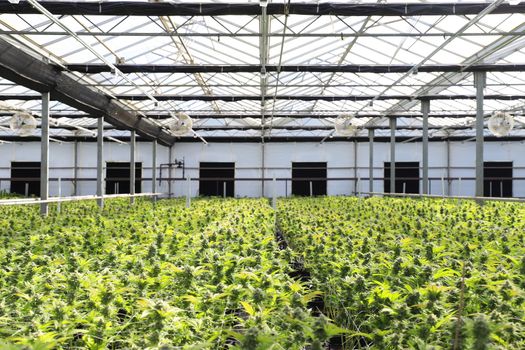 Photo: Cannafornia / Pexels
Financial Planning and Operational Readiness for Cannabis Licensing
 Photo: Kindel Media / Pexels
Common Pitfalls and Best Practices for California Cannabis Licensing
 Photo: Alesia Kozik / Pexels
Best Practices for Success:
- Engage Legal and Consulting Experts: The regulatory landscape is complex and constantly evolving. Partnering with experienced cannabis attorneys and consultants can provide invaluable guidance, ensuring compliance, streamlining the application process, and mitigating risks.
- Meticulous Documentation: Every aspect of your application, from business plans and financial projections to security protocols and environmental impact reports, must be accurate, comprehensive, and well-organized. Errors or omissions can cause significant delays.
- Strong Community Engagement: Especially at the local level, demonstrating a commitment to community benefits, local hiring, and responsible operation can be a significant advantage. Attend public meetings, address concerns, and build relationships.
- Robust Financial Planning: Develop a detailed financial model that accounts for all startup and operational costs, potential delays, and the unique tax structure of the cannabis industry. Secure adequate funding before beginning the application process.
- Proactive Compliance: Don't wait for inspections. Implement compliance protocols from day one, including comprehensive SOPs, employee training, and adherence to all state and local regulations. This proactive approach not only satisfies regulators but also builds a strong foundation for your business.
- Adaptability and Patience: The cannabis industry is dynamic. Be prepared for regulatory changes, market shifts, and unforeseen challenges. Patience is a virtue, as the licensing process can be lengthy and demanding.
By avoiding these common missteps and embracing best practices, aspiring cannabis entrepreneurs can better navigate the intricate path to obtaining a cannabis license in California, setting their businesses up for long-term success and sustainability in this burgeoning market.
Comparison
| Feature | Cultivation License | Manufacturing License | Retail (Dispensary) License | Distribution License |
|---|---|---|---|---|
| Initial Capital Required | Very High | High | High | Moderate |
| Facility Requirements | Extensive (land, greenhouses, indoor grow) | Specialized (labs, cleanrooms) | Secure (retail space, vault) | Warehouse (secure storage, transport) |
| Regulatory Complexity | High (environmental, agricultural) | Very High (health, product safety) | High (consumer protection, sales) | Moderate (logistics, tracking) |
| Direct Consumer Interaction | ✗ | ✗ | ✓ | ✗ |
| Seed-to-Sale Tracking Intensity | Very High | High | High | Very High |
What Readers Say
"This guide was instrumental in helping me understand how to get a cannabis license in California. The breakdown of state vs. local requirements saved me so much time and potential frustration. Highly recommend for anyone starting out!"
Sarah P. · Los Angeles, CA"As an aspiring cultivator, the financial planning section was incredibly insightful. It laid out the true costs involved, which helped me secure appropriate funding before diving into the application process for my California cannabis cultivation license."
Mark D. · Oakland, CA"Thanks to this resource, I successfully navigated the DCC application for my dispensary. The tips on meticulous documentation and proactive compliance were key to getting my cannabis dispensary license in CA approved without major delays."
Jessica L. · Sacramento, CA"While comprehensive, the sheer volume of information on how to get a cannabis license in California can still feel overwhelming. However, this article truly simplifies the core steps and highlights the most crucial aspects, making it a valuable starting point."
Carlos R. · San Diego, CA"The operational readiness section was a game-changer for my manufacturing facility. It helped me structure my SOPs and security plans effectively, which was crucial during the state inspection phase for my California cannabis business license."
Emily H. · Santa Rosa, CAFrequently Asked Questions
What is the very first step to get a cannabis license in California?
The absolute first step is to identify a local jurisdiction (city or county) that permits commercial cannabis activity and secure local approval. California operates a dual licensing system, and without local authorization, the state Department of Cannabis Control (DCC) will not issue a license. Thoroughly research local ordinances before anything else.
Is it difficult to get a cannabis license in California?
Yes, it is widely considered a highly complex and challenging process. California's regulatory framework is extensive, requiring meticulous documentation, significant capital, and adherence to both state and varying local regulations. The competitive nature and high compliance burden contribute to its difficulty.
How do I apply for a state cannabis license in California?
Once you have local approval, you apply through the Department of Cannabis Control (DCC) online licensing portal. You'll need to submit detailed business plans, financial information, personal background checks for all owners, operational procedures, security plans, and proof of local authorization. The process is iterative and requires careful attention to detail.
How much does it cost to get a cannabis license in California?
The costs vary widely. State application fees can range from a few hundred to several thousand dollars, and annual licensing fees from a few thousand to over one hundred thousand, depending on the license type and projected revenue. Local fees can be equally substantial. Beyond fees, startup costs for facilities, equipment, and compliance can run into hundreds of thousands or even millions of dollars.
What is the difference between a state and local cannabis license in California?
A local license (from a city or county) grants you permission to operate a cannabis business within that specific municipality, adhering to their unique zoning and operational rules. A state license (from the DCC) allows you to operate commercially statewide, under California's broader regulatory framework. Both are mandatory for legal operation.
Who should consider applying for a cannabis license in California?
Individuals or entities with significant capital, a robust business plan, a deep understanding of regulatory compliance, and a strong commitment to operating within a highly regulated environment should consider applying. Experience in business management, agriculture, manufacturing, or retail is highly beneficial.
What are the biggest risks involved in obtaining a California cannabis license?
Major risks include regulatory changes, financial insolvency due to high costs and taxes, market saturation, federal illegality impacting banking and taxation, and potential denial of licenses due to non-compliance or incomplete applications. It's a high-risk, high-reward industry.
What are the future trends for cannabis licensing in California?
Future trends may include continued consolidation of businesses, increased focus on social equity programs, potential federal legalization impacting interstate commerce and banking, and ongoing refinement of state and local regulations to address market needs and challenges. Sustainability and technological integration are also growing areas of focus.
Embarking on the journey of how to get a cannabis license in California is a significant undertaking, but with diligent preparation and a clear understanding of the regulatory landscape, your vision can become a reality. Don't let the complexity deter you; instead, leverage comprehensive resources and expert guidance to navigate each step with confidence. Your future in California's thriving cannabis market awaits.