✓ Recreational cannabis is legal for adults 21+ in California.
✓ You can purchase up to 28.5 grams of flower and 8 grams of concentrate per day.
✓ Valid government-issued ID is required for all purchases.
✓ Cannabis consumption is generally restricted to private residences.
How It Works
1
Understand the Legal Age
Ensure you are 21 years or older with a valid government-issued ID to purchase recreational cannabis. For medical cannabis, specific conditions and a physician's recommendation are required.
2
Locate Licensed Retailers
Find a state-licensed dispensary or delivery service near you. Always verify their license to ensure you are buying from a legal and regulated source.
3
Know Your Limits and Rules
Be aware of daily purchase limits and consumption restrictions. Public consumption is illegal, and driving under the influence of cannabis is strictly prohibited.
4
Make Your Purchase
Present your ID, browse products, and pay for your selection. Most dispensaries accept cash, with some offering debit card options, but credit cards are rarely accepted for cannabis purchases.
Understanding California's Cannabis Laws and Regulations
Photo: Cannafornia / Pexels
California has been at the forefront of cannabis reform for decades, starting with medical marijuana legalization in 1996 and fully embracing adult-use recreational cannabis with Proposition 64 in 2016. Navigating this progressive yet complex legal landscape is crucial for anyone looking to obtain cannabis legally within the state. The foundational principle is that adults 21 years or older can possess, purchase, and consume cannabis for recreational purposes. However, 'legal' doesn't mean 'unregulated.' The state has established a robust regulatory framework overseen by the Department of Cannabis Control (DCC), which licenses and monitors every stage of the cannabis supply chain, from cultivation to retail. This ensures product safety, quality, and consumer protection. Understanding these laws begins with knowing your rights and limitations. For instance, while you can possess up to 28.5 grams (one ounce) of dried cannabis flower or 8 grams of concentrated cannabis, exceeding these limits can lead to legal penalties. Cultivation is also permitted for personal use, allowing adults to grow up to six cannabis plants at home, though local ordinances may impose additional restrictions on where and how these plants can be grown.
Beyond possession, consumption rules are equally important. Public consumption of cannabis is strictly prohibited. This includes smoking or vaping in public places, on federal land, and even in vehicles. The general rule of thumb is to consume cannabis in private residences or licensed consumption lounges, where available. Driving under the influence of cannabis is illegal and carries penalties similar to those for alcohol-impaired driving. It's also vital to remember that while cannabis is legal at the state level, it remains illegal under federal law. This distinction has implications for interstate travel, employment, and banking. You cannot transport cannabis across state lines, even if both states have legalized it. Furthermore, landlords have the right to prohibit cannabis use on their property, so always check your lease agreement. Employers also retain the right to maintain drug-free workplaces, meaning a positive drug test could still impact employment, regardless of legal recreational use. The regulatory environment is dynamic, with ongoing adjustments and new local ordinances frequently emerging. Staying informed about the latest changes is essential for responsible cannabis consumption in California. This intricate web of state and local regulations aims to balance individual freedom with public safety and order, making it imperative for consumers to be well-versed in the specifics before making a purchase or consuming products.
Finding Licensed Dispensaries and Delivery Services in California
Photo: Terrance Barksdale / Pexels
Once you understand the legal framework, the next step is to locate a reputable and licensed source for your cannabis. California boasts a vast network of licensed cannabis dispensaries and delivery services, offering a wide array of products to suit every preference. The key word here is 'licensed.' The Department of Cannabis Control (DCC) provides a public license search tool on its website, which is an invaluable resource for verifying the legitimacy of any retailer. Purchasing from unlicensed sources carries significant risks, including potentially unsafe products that haven't undergone rigorous testing for pesticides, heavy metals, or accurate cannabinoid content. Licensed dispensaries, often referred to as 'retailers,' are brick-and-mortar establishments where you can physically go to browse products, speak with knowledgeable 'budtenders,' and make your purchase. These facilities are typically secure, well-lit, and designed to provide a comfortable shopping experience. Budtenders are trained to guide customers through the various strains, product types (flower, edibles, vapes, concentrates), and consumption methods, helping them choose products that align with their desired effects and experience level. When visiting a dispensary, you'll need to present a valid government-issued ID (driver's license, state ID, passport) at the entrance to confirm you are 21 or older. Payment is usually cash-only, though some dispensaries have ATM machines on-site or accept debit card payments through specific systems.
For those who prefer convenience or live in areas without easy access to a physical dispensary, licensed cannabis delivery services are an excellent option. These services operate under strict regulations, allowing them to bring cannabis products directly to your doorstep. The process typically involves ordering online or through a dedicated app, providing your ID for verification, and scheduling a delivery window. Upon delivery, the driver will again verify your ID to ensure compliance. Delivery services offer the same range of products as dispensaries, often at competitive prices. It's crucial to ensure that any delivery service you use is also licensed by the DCC, as illegal delivery services are unfortunately common and pose the same risks as unlicensed dispensaries. Many online platforms and apps specialize in connecting consumers with licensed dispensaries and delivery services, often including menus, pricing, and customer reviews to help you make an informed choice. Always prioritize verifying the license number of any retailer or delivery service through the official DCC website to guarantee a safe and legal transaction. This due diligence protects you as a consumer and supports the regulated cannabis market in California.
Medical Cannabis vs. Recreational: What You Need to Know
Photo: Jess Loiterton / Pexels
While recreational cannabis is widely available for adults 21 and over, California also maintains a robust medical cannabis program for patients with qualifying conditions. Understanding the distinctions between medical and recreational access is important, as each pathway offers different benefits and limitations. The primary difference lies in eligibility and quantity limits. To access medical cannabis, patients must obtain a physician's recommendation for a qualifying medical condition, such as chronic pain, cancer, epilepsy, or other debilitating ailments. While not strictly required, obtaining a state-issued Medical Marijuana Identification Card (MMIC) is highly recommended. This card provides several advantages, including exemption from state sales and use taxes on cannabis purchases, which can lead to significant savings over time. MMIC holders also often have higher possession and cultivation limits compared to recreational users, allowing them to possess up to eight ounces of dried cannabis and cultivate up to 12 mature plants, depending on their medical needs as determined by their physician. This increased access is particularly beneficial for patients with severe conditions requiring larger quantities for effective treatment. Medical cannabis dispensaries cater specifically to these patients, although many recreational dispensaries are also licensed to serve medical patients.
For recreational users, the process is simpler: be 21+, have a valid ID, and purchase within the established limits (28.5 grams of flower, 8 grams of concentrate). Recreational purchases are subject to all applicable state and local sales taxes. Another key distinction relates to age. While recreational cannabis is strictly 21+, medical cannabis can be recommended for patients under 21 with parental or guardian consent. This ensures that minors with serious medical conditions can access the necessary treatment. The legal protections also differ slightly. MMIC holders may have stronger legal defenses in certain situations, although no cannabis use is protected on federal land or in situations that endanger public safety. The choice between medical and recreational access depends on individual needs and circumstances. If you have a qualifying medical condition and anticipate regular or higher-volume cannabis use, pursuing a medical recommendation and MMIC can offer substantial financial and legal benefits. For occasional or casual users, the recreational market provides straightforward access without the need for a physician's visit. Both pathways are integral to California's comprehensive approach to cannabis, aiming to provide safe and regulated access to all eligible individuals.
Common Mistakes to Avoid When Getting Cannabis in California
Photo: Erik Mclean / Pexels
Navigating California's cannabis market, while generally straightforward, has its pitfalls. Avoiding common mistakes can ensure a smooth, legal, and enjoyable experience. Here are some key errors to steer clear of:
* **Purchasing from Unlicensed Sources:** This is arguably the biggest mistake. Unlicensed dealers or pop-up shops often sell untested products that can be contaminated with pesticides, heavy metals, or mold. Always verify a dispensary or delivery service's license on the DCC website. It protects your health and ensures you're supporting the legal market.
* **Consuming in Public:** California law strictly prohibits public consumption of cannabis. This includes parks, sidewalks, beaches, and even within 1,000 feet of schools, daycare centers, or youth centers while children are present. Stick to private residences or designated consumption lounges to avoid fines and legal trouble.
* **Driving Under the Influence (DUI):** Just like alcohol, driving while impaired by cannabis is illegal and dangerous. Law enforcement is trained to identify cannabis impairment, and penalties are severe. If you've consumed cannabis, arrange for a designated driver, rideshare, or public transport.
* **Exceeding Purchase Limits:** Daily purchase limits are 28.5 grams of non-concentrated cannabis and 8 grams of concentrated cannabis. Attempting to purchase more than this in a single day, especially from multiple dispensaries, can lead to legal issues. Dispensaries track purchases to prevent this.
* **Transporting Cannabis Across State Lines:** Even if cannabis is legal in both California and your destination state, federal law prohibits transporting cannabis across state borders. This applies to personal vehicles, airplanes, and any other form of interstate travel. Keep your purchases within California.
* **Disregarding Local Ordinances:** While state law sets a baseline, individual cities and counties in California have the right to impose additional restrictions, including banning dispensaries, limiting cultivation, or setting specific zoning rules. Always check local regulations in the area you're visiting or residing in.
* **Ignoring Product Labels:** Licensed cannabis products come with detailed labels providing information on cannabinoid content (THC, CBD), terpenes, testing results, and cultivation methods. Always read these labels to understand what you're consuming, especially potency, to avoid overconsumption.
* **Using Credit Cards:** Most licensed dispensaries operate on a cash-only basis due to federal banking restrictions. Some may offer debit card options, but rarely credit cards. Be prepared with cash or use an on-site ATM to avoid payment issues.
Comparison
Feature
Recreational (21+)
Medical (Recommendation)
Unlicensed Source
Age Requirement
21+
Any age with physician recommendation
Varies, often no ID check
Purchase Limits
28.5g flower, 8g concentrate
8oz flower, higher concentrate (with MMIC)
No stated limits, but illegal
Tax Exemption
✗
✓ (with MMIC)
✗
Product Safety/Testing
✓ (DCC regulated)
✓ (DCC regulated)
✗ (Untested, potentially unsafe)
Legal Protection
Moderate (state level)
Stronger (state level, MMIC)
✗ (Illegal transaction)
ID Required
✓
✓ (plus recommendation/MMIC)
Often not required, but risky
What Readers Say
★★★★★
"Figuring out how to get cannabis in California was so easy with this guide! I found a licensed dispensary near me and the process was smooth and professional. The budtenders were super helpful."
Sarah J. · Los Angeles, CA
★★★★★
"As a visitor, I was a bit overwhelmed by the rules, but this article broke down how to get cannabis in California perfectly. I loved the section on distinguishing between medical and recreational."
Mark D. · San Francisco, CA
★★★★★
"I used the tips here to verify my delivery service's license, and it saved me from a sketchy situation. Now I confidently know how to get cannabis in California safely and legally every time."
Emily R. · San Diego, CA
★★★★★
"The guide on how to get cannabis in California was very comprehensive, though I wish there was a bit more detail on specific local ordinances for smaller towns. Still, a fantastic resource overall for understanding the basics."
David L. · Sacramento, CA
★★★★★
"I'm a medical patient, and this article helped me understand the benefits of getting my MMIC and how it affects my purchase limits. Knowing how to get cannabis in California legally for my needs is invaluable."
Jessica M. · Oakland, CA
Frequently Asked Questions
What is the legal age to purchase cannabis in California?
The legal age to purchase recreational cannabis in California is 21 years or older. You must present a valid, government-issued identification to verify your age at any licensed dispensary or delivery service. For medical cannabis, patients of any age can obtain a recommendation, but those under 18 require parental or guardian consent.
Can I consume cannabis in public places in California?
No, public consumption of cannabis is illegal in California. This includes smoking, vaping, or eating edibles in public spaces like parks, sidewalks, beaches, and federal land. Consumption is generally restricted to private residences or state-licensed cannabis consumption lounges, where available.
How do I find a licensed cannabis dispensary or delivery service?
You can find licensed cannabis dispensaries and delivery services by visiting the California Department of Cannabis Control (DCC) website and using their license search tool. Many online platforms and apps also list licensed retailers. Always verify the license to ensure you are purchasing from a legal and regulated source.
How much cannabis can I legally purchase and possess in California?
Adults 21 and older can legally purchase and possess up to 28.5 grams (one ounce) of non-concentrated cannabis (flower) and up to 8 grams of concentrated cannabis (e.g., vapes, edibles, extracts) per day. Medical cannabis patients with an MMIC may have higher possession limits.
Is it safe to buy cannabis from anywhere in California?
No, it is not safe to buy cannabis from just anywhere. Always purchase from state-licensed dispensaries or delivery services. Unlicensed sources may sell untested products that contain harmful contaminants or inaccurate cannabinoid levels, posing significant health risks. Always verify a retailer's license.
Who should consider getting a medical cannabis card (MMIC) in California?
Individuals with qualifying medical conditions who anticipate regular or higher-volume cannabis use should consider getting an MMIC. Benefits include exemption from state sales and use taxes, higher possession and cultivation limits, and stronger legal protections, making it a cost-effective and legally advantageous option for patients.
Are there risks to consuming cannabis, even if it's legal?
Yes, there are still risks. Overconsumption can lead to unpleasant effects, and driving under the influence is illegal and dangerous. Long-term use can have health implications, and cannabis can interact with medications. Always consume responsibly, understand product potency, and be aware of your personal limits.
What are the future trends for cannabis access in California?
Future trends in California's cannabis market are likely to include an expansion of licensed consumption lounges, further refinement of regulations to streamline operations, and continued innovation in product development. We may also see more efforts to address equity in the industry and potentially more clarity on federal policies as the landscape evolves.
Now that you understand how to get cannabis in California, explore the licensed options available to you. Make informed decisions, consume responsibly, and enjoy the diverse world of California's legal cannabis market with confidence. Your safe and legal cannabis journey starts here.
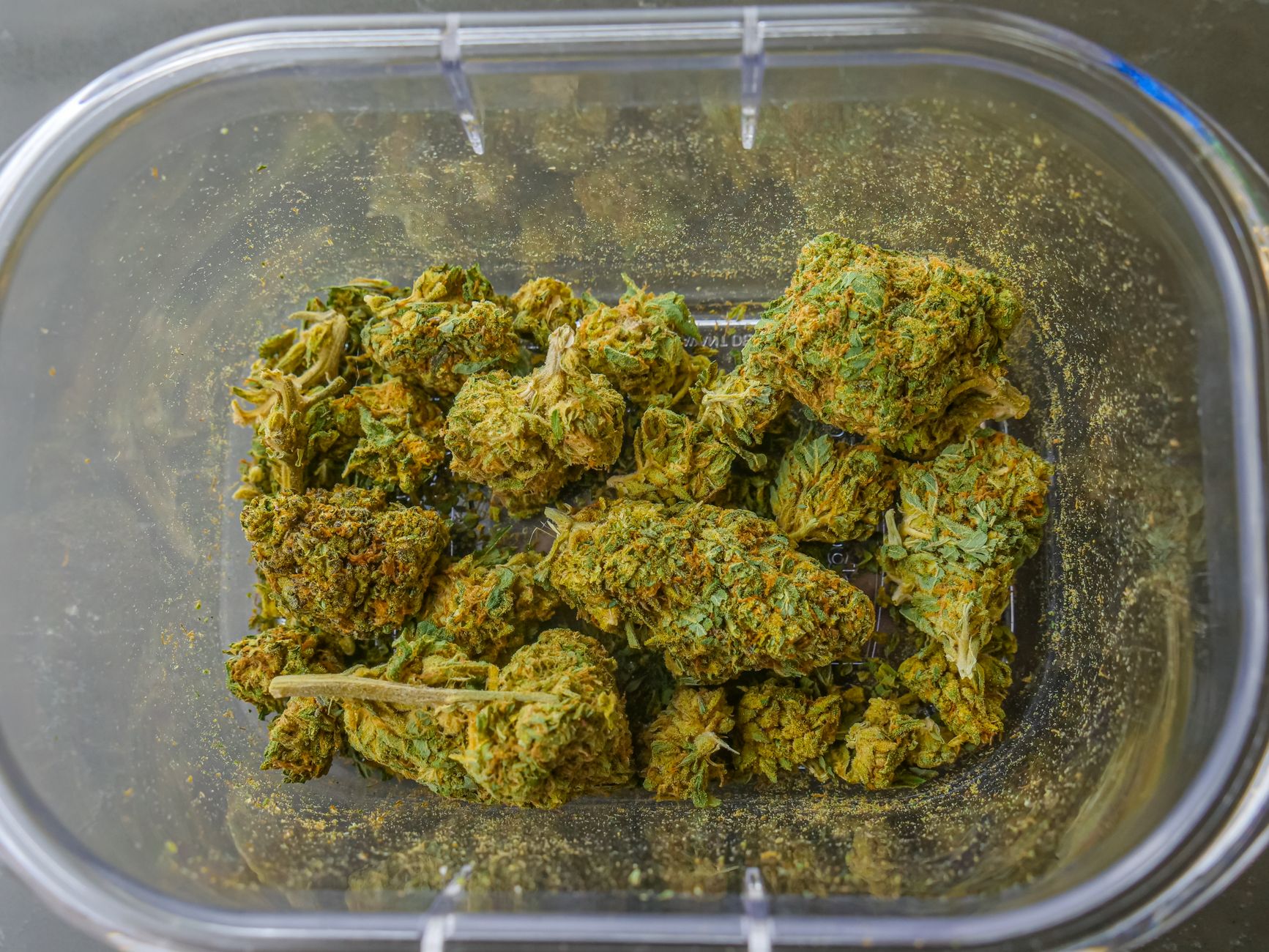
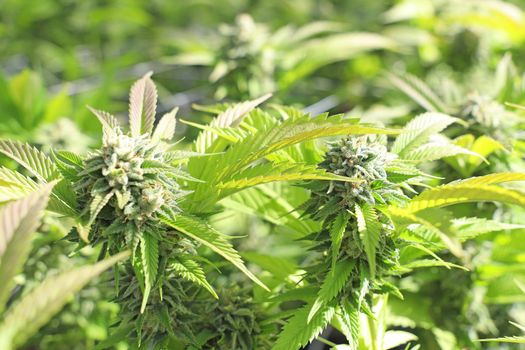 Photo: Cannafornia / Pexels
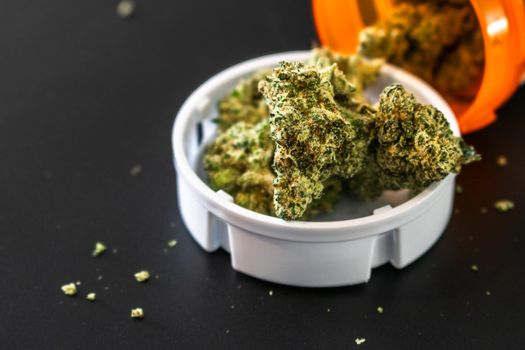 Photo: Terrance Barksdale / Pexels
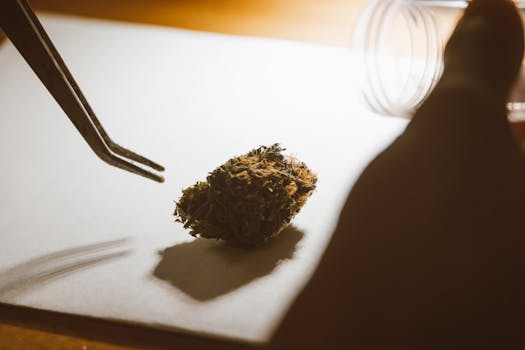 Photo: Jess Loiterton / Pexels
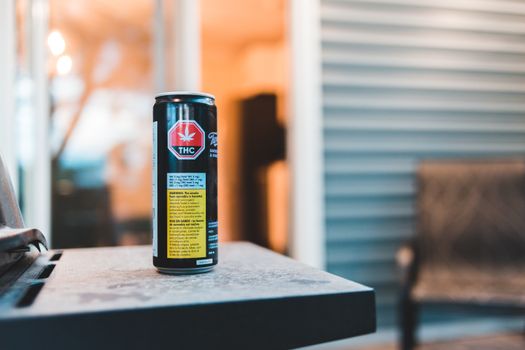 Photo: Erik Mclean / Pexels