How to Grow Cannabis Legally in California: Your Ultimate Guide
how to grow cannabis legally California

How to Grow Cannabis Legally in California: Your Ultimate Guide

Unlock the secrets to a compliant and thriving home cannabis garden in the Golden State, from seed to harvest.

Start Your Grow Today

Key Takeaways

  • ✓ California residents 21+ can grow up to 6 plants for personal use.
  • ✓ Cultivation must occur in a locked, private space, out of public view.
  • ✓ Local jurisdictions may impose additional restrictions or bans.
  • ✓ Medical cannabis patients may have higher plant count allowances with a doctor's recommendation.

How It Works

1
Understand State & Local Laws

Before planting, familiarize yourself with California's statewide cannabis laws (Prop 64) and check your specific city and county ordinances. Local rules can significantly impact your ability to grow.

2
Secure Your Grow Space

Choose a secure, private, and inconspicuous location for your plants. It must be locked and not visible from a public place, like a street or sidewalk.

3
Acquire Quality Genetics

Source high-quality seeds or clones from licensed dispensaries or reputable seed banks. Starting with good genetics is crucial for a successful harvest.

4
Implement Proper Cultivation Techniques

Learn about lighting, nutrients, watering, pest control, and environmental conditions (temperature, humidity). Consistent care is key to healthy, productive plants.

Navigating California's Cannabis Cultivation Laws
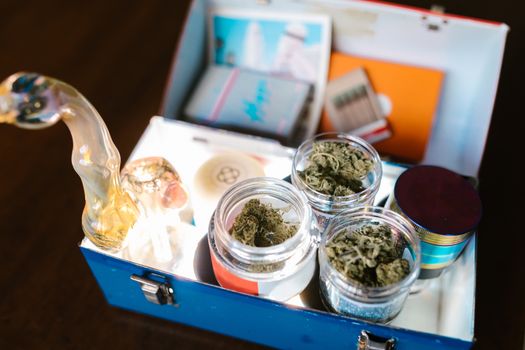
Open cannabis box containing weed, glass pipe, and rolling papers for legal use. Photo: RDNE Stock project / Pexels
Growing cannabis legally in California is a privilege afforded to adults 21 and over, thanks to the passage of Proposition 64, the Adult Use of Marijuana Act, in 2016. However, simply being 21 doesn't mean you can plant a cannabis farm in your backyard without any rules. California's legal framework for personal cannabis cultivation is nuanced, requiring careful attention to both state and local regulations. The state law permits individuals to cultivate up to six cannabis plants for personal use at their private residence. This limit applies per household, not per person, meaning if multiple adults live together, the household is still capped at six plants. These plants must be grown in a locked area, out of public view. This provision is critical; cultivating plants visible from a public space, such as a street or park, can lead to legal penalties, even if you're within the six-plant limit. Beyond the statewide regulations, perhaps the most significant hurdle and area of confusion for new growers is the layer of local control. California's Prop 64 granted cities and counties the authority to enact their own ordinances regarding personal cannabis cultivation. This means that while state law allows six plants, your specific city or county might have more restrictive rules, or even outright bans on outdoor cultivation. Some municipalities might require permits for home grows, dictate specific setbacks from property lines, or impose different security requirements. It is absolutely imperative to check with your local city and county planning or clerk's office to understand their specific rules before you begin cultivating. Ignoring local ordinances can result in fines, plant confiscation, and other legal repercussions, even if you believe you are compliant with state law. The varying landscape of local regulations makes a one-size-fits-all approach impossible, emphasizing the need for personalized research into your specific locale. For medical cannabis patients, the rules can be slightly different. While the six-plant limit generally applies, qualified patients with a valid doctor's recommendation may be allowed to grow more plants if their medical needs necessitate it, provided they obtain a medical marijuana identification card and adhere to specific guidelines. Understanding these foundational legal aspects is the first, and arguably most important, step on your journey to successfully growing cannabis legally in California. This due diligence protects you and ensures your cultivation efforts remain within the bounds of the law, allowing you to enjoy the fruits of your labor without unnecessary legal stress. Remember, ignorance of the law is not a valid defense, especially when it comes to a regulated substance like cannabis.

Setting Up Your Ideal Grow Environment for Compliance and Yield
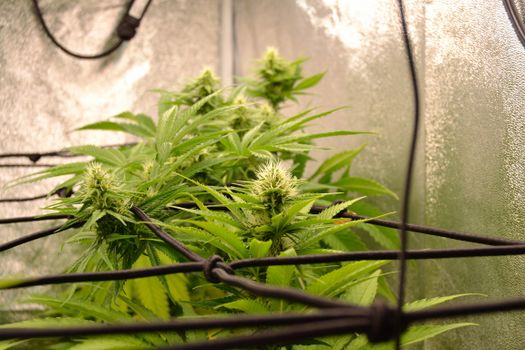
Close-up of healthy cannabis plant with buds in a controlled indoor environment. Photo: MySeeds DE / Pexels
Once you've thoroughly researched and understood your local and state regulations, the next crucial step in how to grow cannabis legally California is establishing an optimal and compliant grow environment. The physical space where your plants will live significantly impacts their health, yield, and your legal standing. As per California law, personal cultivation must occur in a locked space that is not visible from a public place. This means no growing plants openly on your front porch or in a backyard easily seen by neighbors or passersby. Many home growers opt for indoor cultivation in a spare room, a dedicated grow tent, a closet, or a garage. These enclosed spaces offer excellent control over environmental factors and ensure privacy. For an indoor setup, several key components are essential. Firstly, lighting is paramount. Cannabis plants require intense light to thrive, especially during their flowering stage. Options range from less expensive CFLs and LEDs for smaller grows, to more powerful HPS (High-Pressure Sodium) or MH (Metal Halide) lamps for larger setups. Modern LED grow lights are becoming increasingly popular due to their energy efficiency, lower heat output, and customizable spectrums, making them an excellent choice for a compliant home grow. Secondly, ventilation and air circulation are critical for preventing mold, mildew, and pest infestations, while also providing fresh CO2 for photosynthesis. An exhaust fan with a carbon filter is highly recommended to manage odors, which can be a significant concern, especially in residential areas, and can sometimes be a point of contention with neighbors or local authorities. Temperature and humidity control are equally important. Cannabis plants have specific optimal ranges for different growth stages. Generally, temperatures between 68-78°F (20-26°C) and relative humidity between 40-70% are ideal, depending on the stage. You'll need thermometers and hygrometers to monitor these conditions, and potentially heaters, fans, or humidifiers/dehumidifiers to maintain them. The growing medium is another vital choice. Soil is the most common and forgiving for beginners, but hydroponic systems offer faster growth and larger yields for more experienced growers. Regardless of your choice, ensure it's a high-quality medium designed for cannabis or heavy-feeding plants. Finally, security is not just a legal requirement but also a practical consideration. A locked door or grow tent zipper ensures your plants are safe from unauthorized access and helps maintain compliance with the 'locked space' mandate. By meticulously planning and setting up your grow environment, you're not only fostering healthy plants but also reinforcing your commitment to legal and responsible cultivation practices, which is fundamental to how to grow cannabis legally California.

Cultivation Best Practices for a Bountiful and Legal Harvest
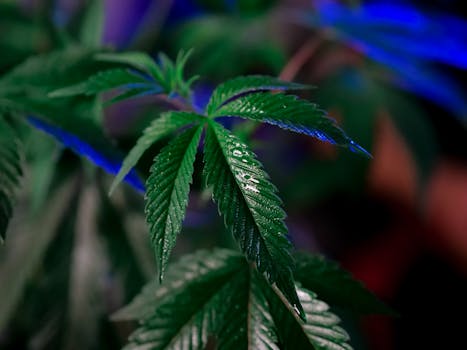
Detailed close-up of lush cannabis leaves with water droplets, exhibiting vibrant green hues. Photo: Kindel Media / Pexels
Achieving a bountiful and legal cannabis harvest in California requires more than just understanding the laws and setting up a space; it demands a commitment to sound horticultural practices. From seed to harvest, every stage of growth presents opportunities to optimize your plants' health and yield. Starting with quality genetics is paramount. Source your seeds or clones from reputable, licensed dispensaries or seed banks. This ensures you're beginning with healthy, stable plants that have desirable characteristics, and it also helps you avoid issues with pests or diseases that can come with unverified sources. Once you have your young plants, the vegetative stage is all about vigorous growth. Provide a consistent light cycle (typically 18 hours on, 6 hours off for indoor grows), appropriate nutrients rich in nitrogen, and consistent watering. Overwatering is a common mistake for beginners, leading to root rot, so allow the top inch or two of your growing medium to dry out before re-watering. As your plants mature, consider training techniques like Low Stress Training (LST) or topping. LST involves gently bending and tying down branches to create an even canopy, allowing more light to penetrate to lower bud sites. Topping involves removing the main stem's growth tip, encouraging the plant to grow more side branches and ultimately more bud sites. These techniques can significantly increase your yield without adding more plants, helping you stay within the legal six-plant limit while maximizing your output. When you're ready to initiate flowering, switch your light cycle to 12 hours on, 12 hours off for photoperiod strains. During this stage, your plants will require different nutrient ratios, with higher levels of phosphorus and potassium. Maintaining optimal temperature and humidity (generally lower humidity during flowering to prevent mold) is critical, as is ensuring excellent air circulation. Regularly inspect your plants for signs of pests or diseases. Early detection is key to successful treatment. Organic pest control methods, such as neem oil or insecticidal soaps, are often preferred, especially since you'll be consuming the final product. As harvest approaches, typically 8-10 weeks into flowering, you'll want to 'flush' your plants by giving them only plain water for the last 1-2 weeks. This helps remove residual nutrients, leading to a smoother, cleaner taste in your final product. Knowing when to harvest is crucial; observe the trichomes (tiny, mushroom-shaped glands on the buds) with a jeweler's loupe. When most are cloudy and a small percentage are amber, your plants are ready. After harvesting, proper drying and curing are essential for preserving potency, flavor, and aroma. Slow drying in a dark, well-ventilated space (around 60°F and 60% humidity) followed by curing in airtight jars will ensure a high-quality final product. By adhering to these cultivation best practices, you're not just growing cannabis; you're cultivating a premium product legally and responsibly in California, enhancing your experience from seed to smoke.

Common Mistakes to Avoid When Growing Cannabis Legally in CA
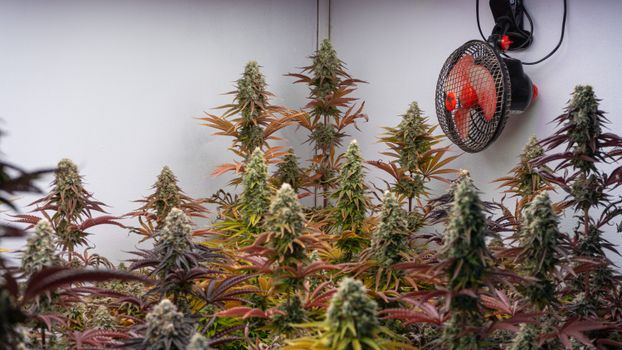
Indoor cannabis plants growing with a fan for air circulation in Silla, Spain. Photo: GB The Green Brand / Pexels
Even with the best intentions, new growers can fall prey to common pitfalls that jeopardize their harvest or, worse, their legal standing. Avoiding these mistakes is crucial for anyone learning how to grow cannabis legally California. **1. Ignoring Local Ordinances:** This is arguably the biggest mistake. While state law allows six plants, many cities and counties have stricter rules, including outright bans on outdoor grows, specific permit requirements, or increased setback distances. Always check your local city and county clerk's office websites for current cannabis cultivation ordinances before you start. Failure to do so can result in fines, plant confiscation, or legal action. **2. Public View and Lack of Security:** State law explicitly requires plants to be grown in a locked area, out of public view. Growing plants where they can be seen from a public street or park, or in an unsecured location, is a direct violation. Ensure your grow space is private, concealed, and locked at all times. This protects your plants and keeps you compliant. **3. Overwatering or Underwatering:** Cannabis plants are sensitive to water levels. Overwatering suffocates roots, leading to nutrient lockout and root rot. Underwatering stresses the plant, stunting growth. The best practice is to feel the weight of your pot or check the top few inches of soil – water only when it feels dry. **4. Nutrient Imbalance:** Too many nutrients (nutrient burn) or too few (nutrient deficiency) can severely impact plant health. Start with a conservative feeding schedule and increase gradually. Always use nutrients specifically formulated for cannabis or heavy-feeding plants, and pay attention to pH levels. **5. Inadequate Airflow and Odor Control:** Stagnant air is a breeding ground for mold, mildew, and pests. Good air circulation is vital. For indoor growers, a carbon filter and exhaust fan are almost mandatory for odor control. Cannabis plants, especially in flower, can produce strong odors that might bother neighbors or attract unwanted attention. **6. Neglecting Pest and Disease Management:** Pests like spider mites or diseases like powdery mildew can quickly decimate a crop. Regular inspection is key. Have a plan for organic pest control measures on hand, and act quickly at the first sign of trouble. **7. Harvesting Too Early or Too Late:** The timing of your harvest significantly impacts the potency and quality of your cannabis. Harvesting too early can result in less potent buds; too late can lead to a more sedative, less desirable effect. Invest in a jeweler's loupe and learn to identify when trichomes are at their peak (mostly cloudy with some amber). **8. Exceeding Plant Limits:** Remember, it's six plants per household, not per person. Trying to circumvent this limit can lead to serious legal consequences. Stay within the legal plant count to ensure your grow remains compliant and stress-free.

Comparison

FeatureIndoor Grow TentDedicated Grow RoomOutdoor (Permitted Areas)
Privacy/SecurityHigh (lockable, concealed)Very High (lockable room)Moderate (requires fencing/screening)
Environmental ControlExcellent (easy to regulate)Excellent (can be fully automated)Limited (weather dependent)
Odor ControlGood (carbon filter built-in)Excellent (dedicated ventilation)Poor (disperses widely)
Cost (Initial)Moderate ($200-$1000+)High ($500-$5000+)Low (soil, basic supplies)
Yield PotentialModerate to HighHigh to Very HighHigh (with good weather)
Legal Compliance Ease✗ (local restrictions common)

What Readers Say

"This guide was a lifesaver for learning how to grow cannabis legally California. I was so confused by all the different rules, but this broke it down perfectly. My first legal harvest was a huge success!"

Sarah J. · Sacramento, CA

"I've always wanted to grow my own, and this resource gave me the confidence to start. The section on local ordinances was particularly helpful – saved me from a potential legal headache. Highly recommend for anyone in CA."

Mark D. · Los Angeles, CA

"Following the tips here, I managed to grow six beautiful, healthy plants in my garage. The yield was fantastic, and I felt completely secure knowing I was compliant with all the rules for how to grow cannabis legally California."

Emily R. · San Diego, CA

"A very comprehensive guide. While some parts felt a bit overwhelming with all the details, the core information on legal compliance and setting up a basic grow was invaluable. My plants are thriving."

David L. · Oakland, CA

"As a medical patient, understanding the specific rules for my situation was key. This guide clarified the differences and helped me ensure my larger grow was fully legal. Thank you for making how to grow cannabis legally California so clear!"

Jessica M. · Fresno, CA

Frequently Asked Questions

What are the basic state laws for how to grow cannabis legally California?

California state law (Prop 64) allows adults 21 and older to cultivate up to six cannabis plants for personal use at their private residence. These plants must be grown in a locked space and not be visible from a public place. It's crucial to remember this is a per-household limit, not per person.

Can my city or county prohibit me from growing cannabis at home?

Yes, local jurisdictions in California have the authority to enact their own ordinances regarding personal cannabis cultivation. While they cannot completely ban indoor personal grows (as long as it's within the state's 6-plant limit and out of public view), they can ban outdoor cultivation, impose additional permit requirements, or set stricter security rules. Always check your specific local laws.

Do I need a special permit to grow my six plants in California?

Generally, for the state-mandated six-plant personal grow, a state permit is not required. However, some local cities or counties might require a local permit or registration for home cultivation, especially for outdoor grows or if specific zoning applies. Always verify with your local planning department.

How much does it cost to start a legal home grow in California?

The initial cost can vary widely, from a few hundred dollars for a basic indoor tent setup to several thousand for a more advanced, automated grow room. Factors include lighting, ventilation, growing medium, nutrients, and genetics. Outdoor grows can be less expensive, but they're also subject to more environmental variables and local restrictions.

Is growing cannabis legally in California different for medical patients?

Yes, qualified medical cannabis patients with a valid doctor's recommendation and a state medical marijuana identification card may be allowed to cultivate more than the standard six plants if their medical needs require it. They must still adhere to security and privacy requirements, and local ordinances can still apply.

Who should consider growing cannabis legally in California?

Anyone 21 years or older residing in California who is interested in controlling the quality, genetics, and cultivation practices of their cannabis. It's ideal for those seeking self-sufficiency, a deeper understanding of the plant, or simply a consistent supply tailored to their preferences, provided they are committed to learning and adhering to all legal requirements.

Are there any risks associated with growing cannabis at home, even if it's legal?

Even with legal status, risks include potential issues with neighbors due to odors or visibility, attracting pests or mold if not properly managed, and the inherent learning curve of cultivation that can lead to crop failures. There's also the risk of not fully understanding or complying with local laws, which can lead to legal penalties.

What are the future trends for home cannabis cultivation in California?

Future trends may include more sophisticated home grow technology becoming accessible, increased availability of genetically diverse seeds and clones, and potentially further refinement of local and state regulations as the market matures. There's a growing interest in sustainable and organic cultivation methods, as well as smart home integration for automated grow environments.

Ready to take control of your cannabis supply and cultivate your own premium flower? Understanding how to grow cannabis legally California is your first step towards a rewarding and compliant home grow experience. Dive into the details, plan your setup, and embark on your journey to becoming a successful legal cannabis cultivator in the Golden State today!

Topics: how to grow cannabis legally CaliforniaCalifornia cannabis cultivation lawshome grow cannabis CApersonal use cannabis Californiacannabis growing regulations
Leo List

IE Escorts NO Escorts US Escorts NZ Escorts AU Escorts
Brampton weed
Adultwork EstrelaBet Vai de Bet R7 Bet Betão Galera Bet Rainbet Bet9ja Shop SportyBet BetKing Sisal Loto Foot Hollywoodbets YesPlay Odibets RushBet Jugabet BetWarrior BetCity MSport betPawa Fortebet