✓ California law allows adults 21+ to grow up to six cannabis plants for personal use.
✓ Cultivation must occur in a locked, private space, invisible to public view.
✓ Outdoor growing is permitted, but specific local ordinances may apply.
✓ Understanding nutrient cycles and pH levels is crucial for successful growth.
How It Works
1
Understand CA Regulations
Before starting, familiarize yourself with California's Proposition 64 and any local city/county ordinances. Ensure your grow space meets all legal requirements regarding plant count, privacy, and security.
2
Prepare Your Grow Space
Choose between indoor or outdoor cultivation, considering factors like light, ventilation, temperature, and humidity. Gather necessary equipment such as grow lights, soil, nutrients, and pots.
3
Plant and Nurture
Select high-quality seeds or clones suited for your climate and experience level. Provide consistent light, water, and nutrients, monitoring plant health and making adjustments as needed during vegetative and flowering stages.
4
Harvest and Cure
Determine the optimal harvest time by observing trichome development. Properly dry and cure your harvested buds to enhance flavor, potency, and shelf life, ensuring a high-quality final product.
Navigating California Cannabis Cultivation Laws
Photo: Cannafornia / Pexels
California has long been at the forefront of cannabis reform, and understanding the legal landscape is your first, most crucial step to successfully and lawfully growing your own plants. Proposition 64, passed in 2016, legalized adult-use cannabis and established the framework for personal cultivation. For adults aged 21 and over, the law permits growing up to six cannabis plants per residence for personal use. This limit applies regardless of the number of adults living in the home. It's not six plants per person, but six plants per household. This is a critical distinction to remember to avoid legal issues.
Beyond the state law, local jurisdictions in California have the authority to impose additional restrictions or requirements. Many cities and counties have enacted their own ordinances that might further limit where you can grow, how you can grow (e.g., indoor only), or even require permits for personal cultivation. Before you even think about buying seeds or setting up your grow tent, it is imperative to check your specific city and county regulations. A simple search on your local government's website for 'cannabis cultivation ordinance' should provide the necessary information. Some areas may require your grow to be completely indoors, within a fully enclosed and secure structure, while others may allow outdoor cultivation but with strict privacy requirements.
Privacy and security are non-negotiable. All cultivation, whether indoors or outdoors, must occur in a locked space that is not visible from a public place. This means no plants openly visible from the street or your neighbor's yard. For outdoor grows, this often necessitates fences, tarps, or other screening methods. Indoor grows must be in a secure room not accessible to minors. The intent behind these rules is to prevent public nuisance and protect children. Additionally, personal cultivation is strictly for personal use; selling or distributing cannabis grown under these personal cultivation allowances is illegal and can lead to severe penalties. While California has embraced cannabis, it still maintains strict rules against unauthorized commercial activity. Remember, adherence to these laws protects you and ensures the continued legitimacy of personal cannabis cultivation in the Golden State. For more detailed information on California's cannabis regulations, you can visit the state's official cannabis control website or consult with a legal professional specializing in cannabis law. Understanding the legal foundation is the bedrock of a successful and stress-free cultivation journey when you grow cannabis in California.
Setting Up Your Ideal Cannabis Grow Environment
Photo: GB The Green Brand / Pexels
Once you've confirmed your legal standing, the next step is to create an optimal environment for your cannabis plants. The choice between indoor and outdoor cultivation heavily depends on your personal circumstances, climate, and desired level of control.
**Outdoor Cultivation in California:** California's diverse climate offers fantastic opportunities for outdoor growing, especially in regions with long, sunny summers. Advantages include free sunlight, excellent air circulation, and often larger yields. However, outdoor growing also brings challenges: pests, diseases, extreme weather fluctuations (heatwaves, unexpected rains), and security concerns. If growing outdoors, select a spot that receives at least 6-8 hours of direct sunlight daily. Good drainage is essential, so consider raised beds or large fabric pots if your soil quality is poor. Protection from strong winds, heavy rain, and curious onlookers is paramount. Organic pest control methods, like companion planting or neem oil, are highly recommended to keep your plants healthy.
**Indoor Cultivation in California:** Indoor growing provides complete control over environmental factors, leading to more consistent results and often higher quality buds, though typically smaller yields per plant than a large outdoor grow. Key components of an indoor setup include:
* **Grow Lights:** LEDs, HPS, or CMH lights are common. LEDs are energy-efficient and produce less heat, while HPS lights are powerful and great for flowering. Choose a light spectrum appropriate for the plant's growth stage.
* **Ventilation:** An exhaust fan with a carbon filter is crucial for air exchange, temperature regulation, and odor control. Intake fans can help with air circulation.
* **Temperature and Humidity Control:** Maintain temperatures between 68-78°F (20-26°C) during the day and slightly cooler at night. Humidity levels should be around 50-70% for seedlings/vegetative plants and 40-50% during flowering. Dehumidifiers and humidifiers might be necessary.
* **Growing Medium:** Soil is popular for beginners, offering a forgiving buffer for nutrient mistakes. Coco coir and hydroponic systems offer faster growth but require more precise nutrient management.
* **Containers:** Fabric pots are excellent for aeration and preventing root circling. Choose sizes appropriate for your plant's expected final size.
Regardless of your chosen method, cleanliness is vital to prevent pests and diseases. Regularly inspect your plants and maintain a sterile environment. Investing in quality equipment from the start will save you headaches and improve your chances of a bountiful harvest. Planning your grow space meticulously before planting will lay a strong foundation for success when you grow cannabis in California.
Nourishing Your Cannabis Plants: From Seed to Flower
Photo: Mubinuddoula Arefin / Pexels
Successfully growing cannabis involves understanding the plant's life cycle and providing the right care at each stage. This section will guide you through the critical phases of cultivation, from germination to the peak of flowering.
**Germination (1-7 days):** This is where life begins. You can germinate seeds using various methods: the paper towel method, direct planting in soil, or using specialized germination kits. Keep the environment warm (70-85°F / 21-29°C) and moist. Once the taproot emerges, carefully transfer the seedling into your chosen growing medium.
**Seedling Stage (2-3 weeks):** Young seedlings are delicate. Provide gentle lighting, a humidity of 60-70%, and minimal nutrients. Overwatering is a common mistake at this stage; let the top inch of soil dry out before watering again. As the seedling grows its first true leaves, it's transitioning to the vegetative stage.
**Vegetative Stage (3-16 weeks, depending on strain and desired size):** This is the growth phase where your plant focuses on developing leaves and branches. It requires 18-24 hours of light daily (indoors) and a humidity of 50-70%. Nutrient requirements shift to higher nitrogen, crucial for leaf development. Regular watering, allowing the topsoil to dry between waterings, is essential. This is also the time for training techniques like topping, FIMming, LST (Low Stress Training), or SCROG (Screen of Green) to maximize light exposure and yield. Proper ventilation and air circulation prevent mold and strengthen stems.
**Flowering Stage (7-14 weeks, depending on strain):** The most exciting stage, where buds begin to form. Indoors, this is triggered by switching to a 12/12 light cycle (12 hours light, 12 hours dark). Outdoors, it's triggered by the shortening daylight hours in late summer. Nutrient needs change dramatically, requiring higher phosphorus and potassium and lower nitrogen. Humidity should be reduced to 40-50% to prevent mold on developing buds. Continue monitoring for pests and diseases. Support branches with stakes or trellises as buds become heavy. Pay close attention to trichome development – these tiny, mushroom-shaped glands on the buds indicate ripeness. They start clear, turn cloudy, and then amber. The ideal harvest window is often when trichomes are mostly cloudy with some amber.
**Nutrients and pH:** Cannabis plants require a balanced diet of macro and micronutrients. The pH of your water and nutrient solution is critical for nutrient uptake. For soil, aim for a pH of 6.0-7.0; for hydroponics/coco coir, 5.5-6.5. Regular pH testing and adjustment are vital. Always use quality nutrients designed for cannabis, following the manufacturer's recommendations and often starting at half strength to avoid nutrient burn. Understanding these stages and adapting your care will lead to robust and productive plants, helping you master how to grow cannabis in California effectively.
Harvesting, Drying, and Curing for Premium Quality
Photo: Terrance Barksdale / Pexels
The journey from seed to smoke culminates in the harvest, drying, and curing processes. These final steps are arguably the most crucial for determining the final quality, potency, and flavor of your cannabis. Rushing or mishandling these stages can severely degrade even the best-grown buds.
**When to Harvest:** Timing is everything. The primary indicator of readiness is the appearance of trichomes. Use a jeweler's loupe or a digital microscope (30x-100x magnification) to inspect them.
* **Clear Trichomes:** Immature, low potency.
* **Cloudy/Milky Trichomes:** Peak THC production, often preferred for a more cerebral, energetic high.
* **Amber Trichomes:** THC is starting to degrade into CBN, leading to a more relaxing, sedative effect. Most growers aim for a mix of cloudy and amber (e.g., 70% cloudy, 30% amber) to achieve a balanced high.
Other signs include pistils (hairs) mostly changing color from white to orange/red/brown and curling inwards, and the leaves yellowing as the plant draws nutrients from them for the final push.
**Harvesting Techniques:** You can either 'wet trim' (trimming fan leaves and sugar leaves immediately after cutting the plant) or 'dry trim' (trimming after the drying process). Wet trimming is often easier as leaves are still perky, but dry trimming can result in a slower, more even dry. Cut branches or whole plants, removing large fan leaves, and prepare them for drying.
**Drying Your Cannabis:** Proper drying is slow and controlled. Aim for a dark room with temperatures between 60-70°F (15-21°C) and relative humidity of 50-60%. Good air circulation is vital, but avoid direct fan blowing on buds, which can dry them too quickly. Hang branches upside down on lines or use drying racks. The drying process typically takes 5-10 days. Buds are ready for curing when smaller stems snap rather than bend, and the outsides feel dry but not brittle.
**Curing Your Cannabis:** Curing is a slow process that enhances flavor, aroma, and smoothness, while also improving potency by allowing cannabinoids to mature.
* **Jarring:** Place dried buds loosely into airtight glass jars, filling them about 75% full.
* **Burping:** For the first week or two, open the jars (burp them) for 15-30 minutes once or twice a day. This releases moisture and replenishes oxygen.
* **Monitoring:** Monitor for mold (a musty smell or white fuzzy spots). If found, remove affected buds immediately.
* **Long-Term:** After the initial burping phase, you can reduce burping to once every few days, then once a week. Curing can last from 2 weeks to several months. The longer you cure (within reason), the smoother and more flavorful your cannabis will become.
Mastering these post-harvest techniques will elevate your home-grown cannabis to professional quality, making your efforts to grow cannabis in California truly rewarding.
**Common Mistakes to Avoid:**
* **Overwatering/Underwatering:** The most common beginner mistake. Learn to feel the weight of your pots and check soil moisture.
* **Nutrient Burn:** Too many nutrients can 'burn' leaves. Start low and gradually increase.
* **Incorrect pH:** Locks out nutrient uptake. Always test and adjust.
* **Poor Airflow:** Stagnant air leads to mold and pests. Ensure good circulation.
* **Light Burn/Stress:** Keep lights at the correct distance to prevent bleaching or stunted growth.
* **Impatience:** Rushing harvest or curing significantly impacts quality. Patience is key for premium buds.
Comparison
Feature
Indoor Grow (Controlled)
Outdoor Grow (Natural)
Greenhouse Grow (Hybrid)
Cost of Setup
High (lights, ventilation)
Low (natural light/air)
Medium (structure, some equipment)
Control over Environment
Excellent (temp, humidity, light)
Limited (weather dependent)
Good (some climate control)
Yield Potential
Consistent, moderate per plant
High, often larger plants
High, extended season
Pest/Disease Risk
Lower (contained environment)
Higher (exposure to elements)
Moderate (semi-contained)
Privacy/Security
Excellent (locked space)
Challenging (requires screening)
Good (enclosed structure)
Energy Consumption
High (lights, HVAC)
Low (sun-powered)
Medium (supplemental heat/light)
Beginner Friendly
Moderate (steep learning curve)
High (if climate is ideal)
Moderate (combines challenges)
What Readers Say
★★★★★
"This guide was a game-changer for learning how to grow cannabis in California. The sections on local regulations and nutrient cycles were incredibly helpful, preventing so many potential mistakes. My first harvest is curing now, and it looks fantastic!"
Alex P. · Oakland, CA
★★★★★
"As a new grower, I felt overwhelmed, but this article broke down the process step-by-step. The advice on pH levels and drying was spot on, leading to much better quality than I expected. Highly recommend for anyone starting to grow cannabis in California."
Maria S. · San Diego, CA
★★★★★
"Following this guide, I managed to yield over a pound from my six plants outdoors, legally and efficiently. The detailed explanation of trichome inspection for harvest timing ensured I got the exact high I was looking for. Excellent resource!"
Ben T. · Sacramento, CA
★★★★★
"The information on indoor vs. outdoor growing was very comprehensive, helping me decide on my setup. While some parts felt a bit technical for a complete beginner, the core advice on curing really improved my final product's smoothness. A solid guide for growing cannabis in California."
Chloe L. · Los Angeles, CA
★★★★★
"I've been growing for years, but this article still offered fresh insights, especially on advanced curing techniques. The legal updates for California were also invaluable. It’s rare to find such a thorough and current guide for home growers."
David R. · Eureka, CA
Frequently Asked Questions
Is it legal to grow cannabis at home in California?
Yes, adults 21 and older in California are legally allowed to cultivate up to six cannabis plants for personal use per residence. This is enshrined in Proposition 64, but it's crucial to also check local city and county ordinances, as they may have additional restrictions or requirements on personal cultivation.
What are the biggest risks for a home cannabis grower in California?
The biggest risks include legal issues from violating local ordinances or exceeding plant limits, pest infestations, mold due to improper humidity, and nutrient deficiencies or burn from incorrect feeding. Ensuring a secure, private grow space and diligent plant monitoring can mitigate most of these concerns.
How do I choose the right cannabis strain for California's climate?
For outdoor grows in California, choose strains known to thrive in warm, sunny climates with a good resistance to mold and pests. Indica-dominant hybrids or Sativas often do well. For indoor grows, you have more control, so you can select any strain based on desired effects and growth characteristics, as you'll be creating the ideal environment.
What's the typical cost to set up a small home cannabis grow in California?
A basic indoor setup can range from $300-$800, including lights, tent, fan, and soil/nutrients. More advanced setups can cost upwards of $1500+. Outdoor growing is generally cheaper, primarily involving the cost of seeds/clones, soil amendments, and basic pest control, potentially starting under $100 for a very simple setup.
How does growing cannabis in California compare to other legal states?
California's laws are relatively permissive, allowing up to six plants per household, which is similar to many other legal states. However, California's diverse microclimates offer unique advantages for outdoor cultivation that aren't available in all states, and its robust cannabis industry means access to a wide variety of seeds, clones, and expert advice.
Who should consider growing their own cannabis in California?
Anyone over 21 living in California who enjoys cannabis and is interested in a rewarding hobby should consider growing. It's ideal for those who want to control the quality, genetics, and cultivation methods of their cannabis, or for individuals looking to save money on their supply while learning a new skill.
Are there any specific safety precautions I should take when growing cannabis at home?
Yes, safety is paramount. Ensure electrical setups for indoor grows are properly grounded and not overloaded to prevent fire hazards. Keep all nutrients and pest control products out of reach of children and pets. Maintain good ventilation to prevent mold and ensure a safe breathing environment. Always use proper sanitation to prevent contamination.
What are the emerging trends in home cannabis cultivation in California?
Emerging trends include a growing interest in organic and regenerative farming practices, the use of advanced LED lighting for energy efficiency, and a rise in automated grow systems for precise environmental control. There's also increasing popularity in specific cultivation techniques like living soil and no-till gardening for sustainable, high-quality yields.
Ready to embark on your cultivation journey and discover the satisfaction of growing your own premium cannabis? Utilize this comprehensive guide to navigate the laws, set up your ideal environment, and nurture your plants to a bountiful harvest. Start mastering how to grow cannabis in California today and experience the golden state's green revolution firsthand.

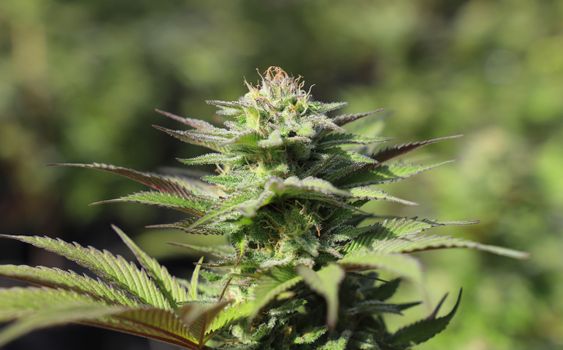 Photo: Cannafornia / Pexels
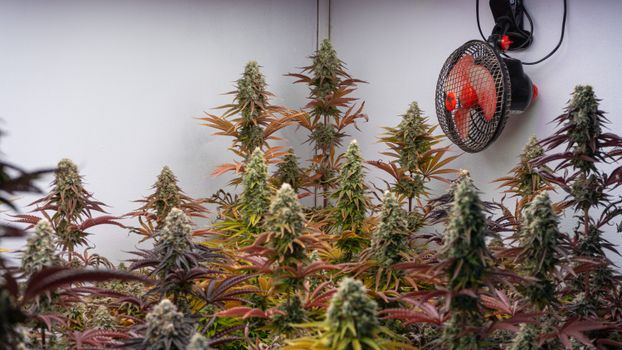 Photo: GB The Green Brand / Pexels
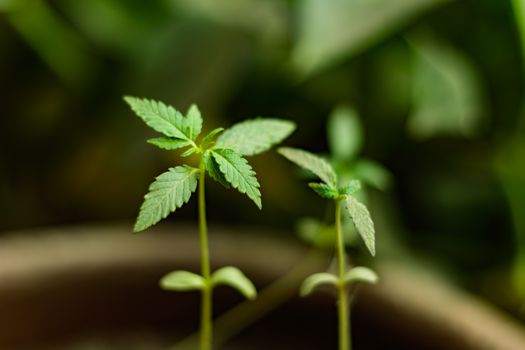 Photo: Mubinuddoula Arefin / Pexels
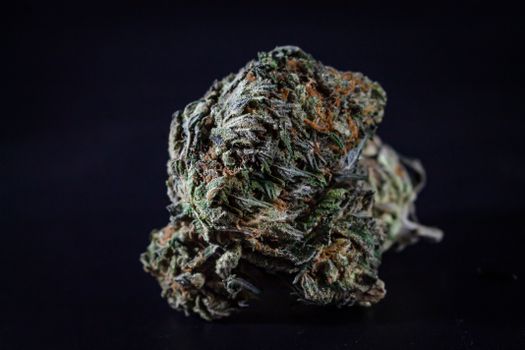 Photo: Terrance Barksdale / Pexels