Understanding the Effects of Cannabis on Health
effects of cannabis on health

Understanding the Effects of Cannabis on Health

Unravel the complex relationship between cannabis consumption and your overall health, guided by evidence and expert insights.

Learn More

Key Takeaways

  • ✓ Cannabis interacts with the body's endocannabinoid system, influencing various physiological processes.
  • ✓ Both THC and CBD, the primary cannabinoids, have distinct and overlapping effects on health.
  • ✓ Potential therapeutic applications include pain management, anti-inflammatory effects, and anxiety reduction.
  • ✓ Risks can include respiratory issues, cognitive impairment, and potential for dependence, especially with heavy use.

How It Works

1
Cannabinoids Enter the Body

When cannabis is consumed (smoked, vaped, ingested), cannabinoids like THC and CBD are absorbed into the bloodstream. The method of consumption dictates the speed and intensity of absorption.

2
Interaction with the ECS

These cannabinoids travel through the bloodstream and interact with cannabinoid receptors (CB1 and CB2) found throughout the body. This interaction modulates the body's natural endocannabinoid system (ECS).

3
Modulating Physiological Functions

The ECS plays a crucial role in regulating sleep, appetite, pain, mood, and immune function. By interacting with this system, cannabis can influence these various physiological processes, leading to its diverse effects.

4
Experiencing Effects

The specific effects experienced depend on the cannabinoid profile, dosage, individual physiology, and method of consumption. These can range from psychoactive effects and relaxation to pain relief and altered perception.

The Endocannabinoid System: Your Body's Internal Regulator
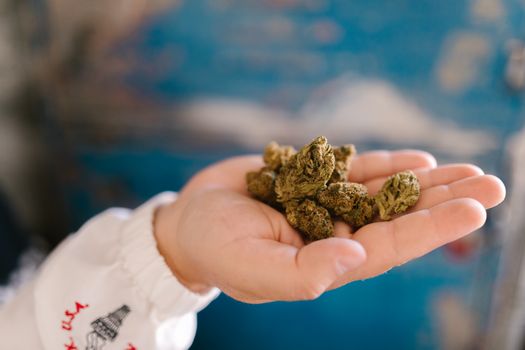
Hand holding dried cannabis buds with a blurred background, showcasing marijuana flora. Photo: RDNE Stock project / Pexels
To truly understand the effects of cannabis on health, we must first delve into the intricate workings of the endocannabinoid system (ECS). This remarkable biological system, present in all vertebrates, is a complex network of cannabinoid receptors (primarily CB1 and CB2), endogenous cannabinoids (endocannabinoids like anandamide and 2-AG), and enzymes responsible for their synthesis and degradation. The ECS acts as a master regulator, maintaining homeostasis across various physiological processes, including mood, sleep, appetite, pain sensation, memory, and immune function. Think of it as your body's internal balancing act, constantly striving for equilibrium. When you consume cannabis, the phytocannabinoids (plant-derived cannabinoids) like THC (tetrahydrocannabinol) and CBD (cannabidiol) interact with this endogenous system. THC, the primary psychoactive compound, binds directly to CB1 receptors, predominantly found in the brain and central nervous system. This binding is responsible for the euphoric 'high' associated with cannabis, as well as its potential effects on memory, coordination, and perception. CBD, on the other hand, has a more indirect interaction with the ECS, influencing it by modulating other receptors and enzymes rather than directly binding to CB1 or CB2 receptors with high affinity. This is why CBD is not intoxicating and is often associated with therapeutic effects without the psychoactive component. Understanding this fundamental interaction is crucial because it explains the wide array of effects cannabis can have. For instance, the ECS's role in pain modulation is why cannabis is explored for chronic pain relief. Its influence on neurotransmitter release, such as dopamine and serotonin, sheds light on its potential impact on mood and anxiety. The geographical distribution of CB1 and CB2 receptors throughout the body – CB1 primarily in the brain and central nervous system, and CB2 mainly in immune cells and peripheral tissues – also helps us differentiate the potential central and peripheral effects of cannabis. This intricate dance between external cannabinoids and our internal regulatory system is at the heart of the diverse cannabis experience. Research into the ECS is ongoing and continuously reveals new insights into its potential as a therapeutic target for numerous conditions. The complexity of this system also means that individual responses to cannabis can vary significantly, depending on genetics, dosage, and the specific cannabinoid profile of the product consumed. This foundational knowledge is essential for a comprehensive grasp of cannabis's multifaceted impact on human health, moving beyond anecdotal evidence to a more scientific understanding of its mechanisms of action. The ECS is not just a passive recipient; it actively adapts and responds to cannabinoid input, influencing long-term cellular function and overall physiological balance. This adaptability is key to understanding both the short-term and long-term effects observed in users. The nuanced interplay of various cannabinoids with the ECS is a rapidly expanding area of scientific inquiry, promising deeper insights into personalized cannabis medicine.

Potential Therapeutic Benefits: Harnessing Cannabis for Wellness

A cannabis leaf with the word 'cannabis' spelled out in letter tiles on a beige background. Photo: Alesia Kozik / Pexels
Beyond its recreational use, cannabis has garnered significant attention for its potential therapeutic applications, with a growing body of research exploring its efficacy in managing various health conditions. One of the most widely recognized benefits is its role in chronic pain management. Cannabinoids, particularly THC and CBD, interact with pain pathways in the central nervous system and peripheral tissues, offering analgesic and anti-inflammatory effects. Patients suffering from neuropathic pain, fibromyalgia, and multiple sclerosis-related pain have reported significant relief with cannabis use, often reducing their reliance on opioid medications. This pain-relieving property is attributed to the modulation of neurotransmitter release and the reduction of inflammatory responses mediated by the ECS. Another promising area is the management of anxiety and depression. While high doses of THC can sometimes induce anxiety, especially in susceptible individuals, lower doses and CBD-dominant strains are often reported to have anxiolytic (anxiety-reducing) and antidepressant effects. CBD, in particular, has shown promise in clinical trials for generalized anxiety disorder, social anxiety, and even PTSD, by influencing serotonin receptors and calming overactive neural pathways. However, the precise mechanisms are still being elucidated, and individual responses can vary greatly, underscoring the importance of personalized approaches and careful dosage. Cannabis also holds potential for individuals experiencing nausea and appetite loss, particularly in the context of chemotherapy or AIDS-related wasting syndrome. THC has well-documented antiemetic properties, helping to reduce nausea and vomiting, while also stimulating appetite, often referred to as the 'munchies.' This dual action can significantly improve the quality of life for patients undergoing difficult medical treatments. Furthermore, the anti-inflammatory properties of cannabinoids are being investigated for conditions like inflammatory bowel disease (IBD) and arthritis, where chronic inflammation plays a central role. Early research suggests that cannabis may help reduce inflammation and improve symptoms in these conditions, though more robust clinical trials are needed to confirm these findings and establish optimal dosing. Sleep disorders represent another area where cannabis is frequently used, with many users reporting improved sleep quality and reduced insomnia. THC can decrease sleep latency (the time it takes to fall asleep), while CBD may help address underlying causes of poor sleep, such as anxiety. However, long-term use, especially of high-THC products, can sometimes disrupt sleep architecture, leading to rebound insomnia upon cessation. Finally, cannabis is being explored for its anticonvulsant properties, most notably with Epidiolex, a CBD-based medication approved for severe forms of epilepsy. This breakthrough highlights the significant medical potential of isolated cannabinoids, paving the way for further research into other neurological disorders. The diverse therapeutic potential of cannabis underscores the need for continued scientific inquiry to fully understand its benefits and integrate it responsibly into modern medicine.

Navigating the Risks: Understanding Potential Adverse Effects

Close-up of a tattooed hand holding a lit joint outdoors at night with a blurred background. Photo: Erik Mclean / Pexels
While the therapeutic potential of cannabis is significant, it's equally important to understand and acknowledge its potential adverse effects. Responsible use and informed decision-making require a balanced perspective, considering both the benefits and the risks associated with cannabis consumption. One of the most immediate and well-documented risks involves cognitive impairment. THC can temporarily impair short-term memory, attention, concentration, and motor coordination, making activities like driving or operating heavy machinery dangerous. These effects are dose-dependent and can persist for several hours after use. Chronic, heavy use, especially during adolescence when the brain is still developing, has been linked to more persistent cognitive deficits, though the reversibility of these effects upon cessation is still a subject of ongoing research. Respiratory issues are a concern for individuals who smoke cannabis. Similar to tobacco smoke, cannabis smoke contains carcinogens and irritants that can damage lung tissue, leading to chronic bronchitis, cough, and increased phlegm production. While the direct link to lung cancer is less clear than with tobacco, due to different smoking patterns and fewer studies, the general consensus is that inhaling any combusted material carries respiratory risks. Vaping, while potentially reducing some combustion byproducts, is not without its own set of emerging concerns, highlighting the importance of safer consumption methods if one chooses to use cannabis. Mental health impacts are another critical area of concern. For some individuals, particularly those with a predisposition to psychotic disorders, high-potency THC products can trigger or exacerbate symptoms of psychosis, including paranoia, hallucinations, and delusions. There's a recognized association between early and heavy cannabis use and an increased risk of developing schizophrenia in vulnerable individuals. While cannabis use doesn't cause schizophrenia in those without a genetic predisposition, it can act as a precipitating factor. Furthermore, while cannabis can alleviate anxiety for some, it can induce or worsen anxiety and panic attacks in others, especially with high doses or in novice users. It's crucial for individuals with existing mental health conditions to exercise extreme caution and consult with a healthcare professional before using cannabis. Dependence and addiction, though less common than with some other substances, are also potential risks, particularly with frequent and heavy use. Cannabis dependence is characterized by withdrawal symptoms upon cessation, such as irritability, anxiety, sleep disturbances, and cravings. The risk of developing dependence increases with the frequency and potency of use, and with earlier initiation. Pregnant and breastfeeding individuals are strongly advised to avoid cannabis, as THC can cross the placental barrier and be present in breast milk, potentially affecting fetal and infant development. Research in this area is ongoing, but current recommendations err on the side of caution. Understanding these potential adverse effects is not about demonizing cannabis, but about empowering individuals to make informed choices that prioritize their health and well-being, especially given the increasing accessibility of cannabis products in Canada. Responsible consumption involves being aware of these risks and adapting usage patterns accordingly, or abstaining if the risks outweigh the potential benefits for an individual.

Responsible Cannabis Use: Tips for a Healthier Experience

A cannabis leaf and wooden letter tiles spelling 'addicted' on a green surface. Photo: Alesia Kozik / Pexels
Navigating the world of cannabis can be complex, but with informed choices, you can minimize potential risks and maximize any perceived benefits. Here are some essential tips for responsible cannabis use: * **Start Low, Go Slow:** This is perhaps the most crucial advice, especially for edibles or new users. Begin with a very small dose (e.g., 2.5 mg of THC) and wait at least 1-2 hours (for edibles) or 15-30 minutes (for inhalation) before considering another dose. Individual tolerance and sensitivity vary greatly. * **Choose the Right Product:** Understand the cannabinoid profile. High-THC strains are more psychoactive and may carry higher risks for anxiety or cognitive impairment. CBD-dominant or balanced THC:CBD products often offer a milder experience with potentially more therapeutic benefits and fewer intoxicating effects. Consider the terpene profile as well, as terpenes contribute to the 'entourage effect' and can influence the overall experience. * **Select Safer Consumption Methods:** Inhalation, especially smoking, carries respiratory risks. Vaping, while potentially less harmful than smoking, is not risk-free. Edibles and tinctures bypass the lungs entirely, offering a potentially safer alternative, though with a delayed onset and longer-lasting effects. * **Avoid Daily or Heavy Use:** Frequent, high-dose use increases the risk of dependence, tolerance development, and potential long-term cognitive or mental health impacts. Consider taking regular tolerance breaks to reduce these risks and maintain sensitivity. * **Never Drive or Operate Machinery Under the Influence:** Cannabis impairs judgment, reaction time, and coordination. It is illegal and extremely dangerous to drive or perform tasks requiring full cognitive function while impaired. * **Understand Legal Regulations:** In Canada, cannabis is legal for adults, but provincial and municipal rules vary regarding purchase, possession limits, and public consumption. Always know and follow the local laws. * **Consult a Healthcare Professional:** If you have underlying health conditions, are taking other medications, are pregnant or breastfeeding, or have concerns about mental health, speak to a doctor before using cannabis. They can provide personalized advice and monitor for potential interactions. * **Store Safely:** Keep all cannabis products out of reach of children and pets, ideally in a locked container. Accidental ingestion can lead to serious health consequences, especially for young children. * **Be Mindful of Your Environment:** Your set and setting – your mindset and surroundings – can significantly influence your experience. Choose a comfortable, safe environment, especially for your first few times using cannabis. By adhering to these guidelines, individuals can approach cannabis consumption with a greater understanding of its effects and make choices that support their overall health and well-being.

Comparison

FeatureTHC-Dominant CannabisCBD-Dominant CannabisBalanced THC:CBD
Psychoactive EffectsStrong (euphoria, altered perception)Minimal to noneMild to moderate
Anxiety ReductionCan cause or reduce (dose-dependent)Generally reduces anxietyOften reduces anxiety with less risk
Pain Relief✓ (analgesic, anti-inflammatory)✓ (anti-inflammatory, mild analgesic)✓ (synergistic effects)
Appetite Stimulation✓ (strong)✗ (neutral or slight suppression)✓ (moderate)
Cognitive Impairment✓ (can impair memory/focus)✗ (no significant impairment)✓ (less pronounced than THC-dominant)
Legal Status (CA)Legal (with restrictions)Legal (widely available)Legal (with restrictions)

What Readers Say

"Using a balanced THC:CBD strain has significantly helped manage my chronic back pain without making me feel overly intoxicated. It's improved my sleep quality immensely, which is a huge benefit for my overall health."

Sarah L. · Vancouver, BC

"I was hesitant about cannabis, but after my doctor suggested a low-dose CBD oil for my anxiety, I've noticed a remarkable difference. My daily stress levels are much more manageable, and I feel more present."

Mark D. · Toronto, ON

"For my chemotherapy-induced nausea, cannabis edibles have been a lifesaver. They not only help with the nausea but also stimulate my appetite, allowing me to maintain my weight during treatment. A genuine relief."

Emily R. · Calgary, AB

"I enjoy cannabis recreationally on weekends, but I've learned that high THC strains can make me a bit paranoid. Sticking to lower doses and mixing with CBD has made my experiences much more enjoyable and relaxing."

David K. · Montreal, QC

"As someone with Crohn's disease, the anti-inflammatory effects of cannabis, particularly CBD, have been very helpful in managing my symptoms. It's not a cure, but it significantly reduces discomfort and improves my quality of life."

Jessica M. · Halifax, NS

Frequently Asked Questions

What are the main differences between THC and CBD effects on health?

THC is the primary psychoactive compound in cannabis, responsible for the 'high,' and can affect mood, perception, and cognition. CBD is non-intoxicating and is often associated with therapeutic benefits like anxiety reduction, anti-inflammatory effects, and pain relief without the psychoactive effects. They interact with the body's endocannabinoid system in different ways, leading to their distinct profiles.

Is cannabis addictive?

While not as addictive as some other substances, cannabis can lead to dependence, especially with frequent and heavy use. Approximately 9% of users develop dependence, with higher rates among those who start using in adolescence. Withdrawal symptoms can include irritability, anxiety, sleep disturbances, and cravings.

How should I choose a cannabis product for specific health concerns?

It's best to consult with a healthcare professional or a knowledgeable dispensary staff member. Consider the desired effects (e.g., pain relief, sleep, anxiety), the desired level of psychoactivity, and the method of consumption. Start with low doses, especially with edibles, and gradually increase as needed while monitoring your body's response. Look for products with clear THC:CBD ratios and lab testing.

What is the cost associated with using cannabis for health purposes in Canada?

The cost of cannabis in Canada varies widely depending on the product type (flower, edibles, oils), potency, brand, and retailer. Medical cannabis can sometimes be covered by private insurance plans, but recreational purchases are out-of-pocket. It's important to factor in these costs when considering cannabis for long-term health management.

How does cannabis compare to traditional medications for pain relief?

Cannabis offers an alternative or complementary approach to pain relief, particularly for chronic neuropathic pain, where traditional medications may be less effective or have significant side effects. Unlike opioids, cannabis has a lower risk of fatal overdose. However, it may have its own side effects, and its efficacy can vary by individual and pain type. It's crucial to discuss integration with your doctor.

Who should avoid using cannabis for health reasons?

Individuals who are pregnant or breastfeeding, those with a personal or family history of psychosis or schizophrenia, individuals with severe heart conditions, and those under the legal age for cannabis consumption should generally avoid its use. Anyone taking other medications should consult a doctor due to potential drug interactions.

Are there long-term health risks associated with regular cannabis use?

Long-term risks can include respiratory issues (if smoked), potential for cannabis use disorder, and, for adolescents, possible impacts on brain development and cognitive function. Research is ongoing, but moderation and careful consideration of individual vulnerabilities are key to mitigating these risks.

What are the future trends in understanding the effects of cannabis on health?

Future trends point towards more personalized cannabis medicine, driven by genetic research and a deeper understanding of the endocannabinoid system. Expect more targeted cannabinoid and terpene formulations, precise dosing, and a greater integration of cannabis into mainstream healthcare, supported by robust clinical trials and advanced research into its therapeutic potential for a wider range of conditions.

Understanding the multifaceted effects of cannabis on health is a journey of continuous learning and responsible decision-making. By staying informed about both its potential benefits and risks, you can make choices that align with your personal health goals and well-being. Always prioritize your health, consult with professionals, and approach cannabis with a balanced perspective.

Topics: effects of cannabis on healthcannabis benefitscannabis risksmarijuana health impactTHC CBD effects
Leo List
Brampton weed
Adultwork