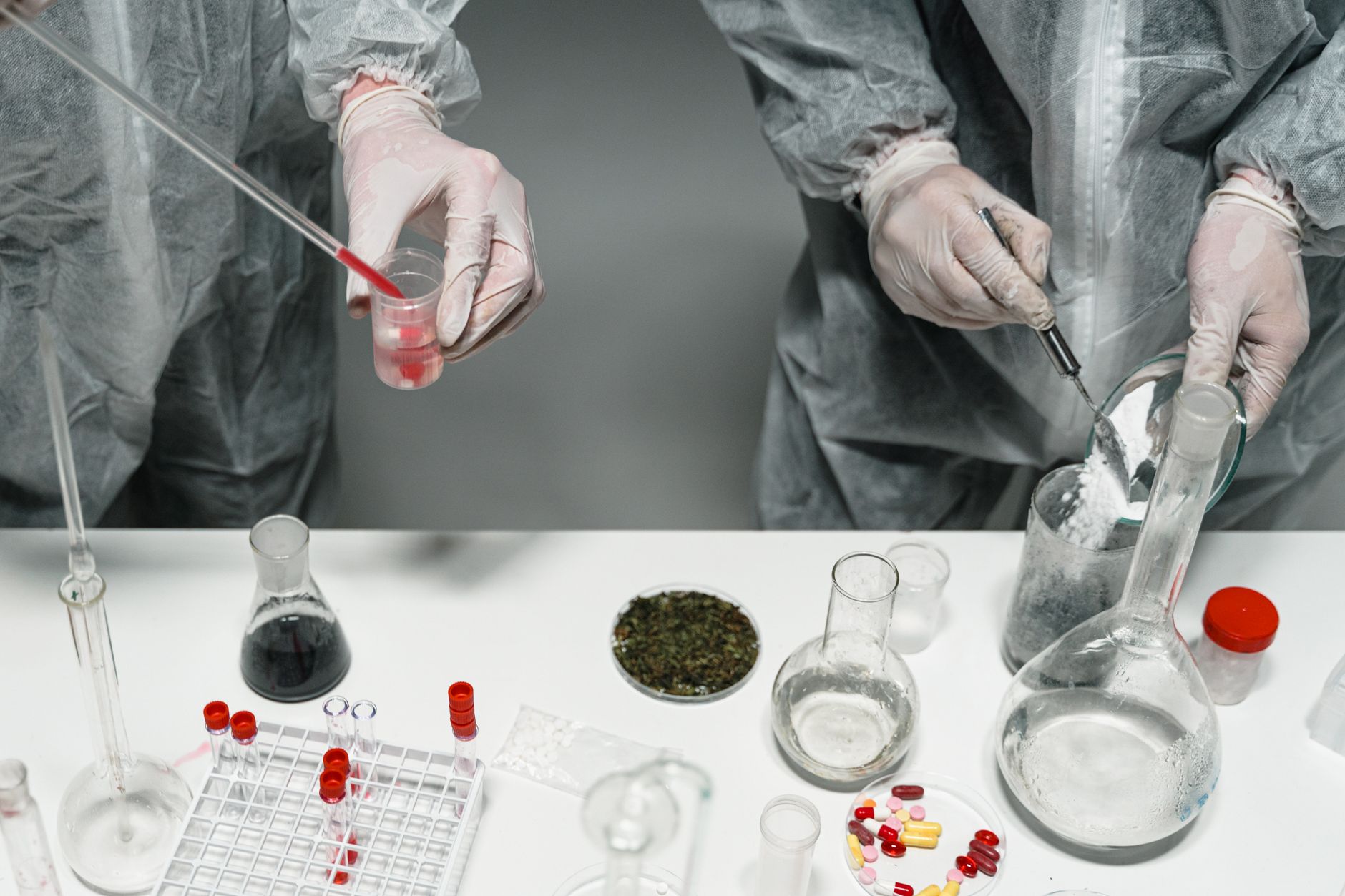
Ensuring Safety & Quality: Cannabis Testing Labs California
cannabis testing labs California

Ensuring Safety & Quality: Cannabis Testing Labs California

Uncover the critical role of California's cannabis testing labs in guaranteeing consumer safety and product integrity.

Find a Certified Lab

Key Takeaways

  • ✓ All cannabis products sold in California must undergo mandatory testing.
  • ✓ Testing covers potency, pesticides, heavy metals, microbials, and more.
  • ✓ Labs must be licensed by the Department of Cannabis Control (DCC).
  • ✓ Accurate testing protects public health and ensures fair market practices.

How It Works

1
Sample Collection & Transport

Licensed distributors or cultivators carefully collect representative samples of cannabis products. These samples are then securely transported to an accredited testing lab under strict chain-of-custody protocols to prevent tampering.

2
Comprehensive Laboratory Analysis

Upon arrival, samples undergo a battery of tests using advanced analytical equipment. This includes analyses for cannabinoid potency, terpene profiles, residual pesticides, heavy metals, microbial contaminants, and foreign matter.

3
Data Interpretation & Reporting

Scientists interpret the raw data from the analyses, comparing results against stringent California regulatory limits. A detailed Certificate of Analysis (CoA) is generated, outlining all findings and indicating compliance or non-compliance.

4
Compliance & Product Release

If a product passes all required tests, it receives a 'pass' status, allowing it to proceed to retail. Non-compliant products are either remediated (if possible and permitted) or destroyed, ensuring only safe products reach consumers.

The Indispensable Role of Cannabis Testing Labs in California's Market
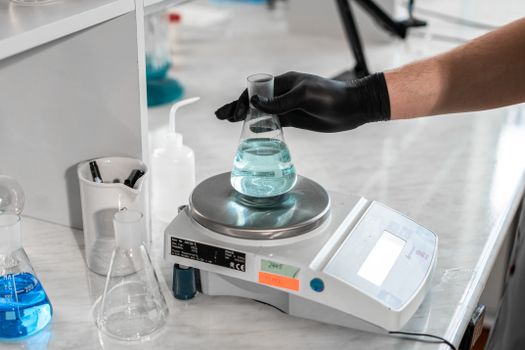
A scientist handling a liquid-filled flask on a laboratory scale for precise measurement. Photo: Ivan S / Pexels
California's regulated cannabis market, the largest in the world, operates under a strict framework designed to protect public health and ensure consumer safety. At the heart of this framework are the cannabis testing labs California relies upon. These highly specialized facilities are not merely a regulatory hurdle; they are the guardians of quality, the arbiters of truth, and the foundation upon which consumer trust is built. Every single cannabis product — from flower and concentrates to edibles and topicals — must undergo rigorous testing by a state-licensed laboratory before it can be sold to consumers. This mandatory testing regime is comprehensive, covering a wide array of potential contaminants and ensuring accurate labeling of cannabinoid content. Without these labs, the promise of a safe and transparent cannabis market would remain unfulfilled. The scope of testing performed by these labs is extensive. It begins with cannabinoid profiling, which accurately measures the levels of THC, CBD, and other cannabinoids, providing consumers with crucial information about a product's psychoactive potential and therapeutic benefits. Equally important is terpene profiling, which identifies the aromatic compounds responsible for a strain's unique flavor, aroma, and potential entourage effects. Beyond potency and profile, the labs meticulously screen for harmful substances. This includes residual pesticides, which can be toxic if ingested or inhaled; heavy metals like lead, arsenic, cadmium, and mercury, which can accumulate in the body and cause serious health issues; and microbial contaminants such as molds, yeasts, and pathogenic bacteria like E. coli and Salmonella. Furthermore, tests for residual solvents are conducted for concentrates, ensuring no harmful chemicals remain from the extraction process. Foreign material inspection and moisture content analysis also contribute to overall product quality and safety. The sheer breadth of these tests underscores the commitment to consumer protection within California's legal cannabis industry. For businesses, partnering with a reliable and reputable lab is not just about compliance; it's about safeguarding their brand and fostering long-term consumer loyalty. Understanding the intricacies of these tests is crucial for anyone involved in or consuming cannabis in California.

Navigating California's Strict Cannabis Testing Regulations and Standards
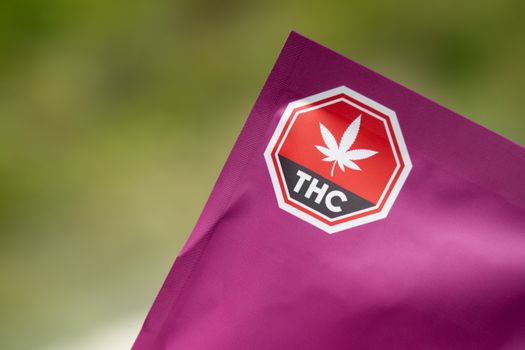
Close-up of cannabis packaging with a THC warning label on a purple background, highlighting safety and regulatory compliance. Photo: Sadi Hockmuller / Pexels
California's Department of Cannabis Control (DCC) sets forth some of the most stringent cannabis testing regulations globally. These regulations are dynamic, evolving as scientific understanding and industry practices advance, which means cannabis testing labs in California must continuously adapt and invest in cutting-edge technology and expertise. The core of these regulations is outlined in the California Code of Regulations (CCR), specifically Title 4, Division 17, which details the requirements for cannabis testing laboratories, sampling protocols, analytical methods, and acceptable limits for various contaminants. Compliance is not optional; it is a prerequisite for market entry and continued operation. Labs must be accredited to ISO/IEC 17025 standards, a globally recognized benchmark for the competence of testing and calibration laboratories, demonstrating their technical proficiency and ability to produce precise and accurate results. The regulatory framework also mandates specific sampling procedures to ensure that the tested sample is truly representative of the entire batch. This prevents 'sample cherry-picking' and guarantees that the results reflect the quality of the product that will reach consumers. Labs are prohibited from having any financial interest in other cannabis businesses (cultivation, manufacturing, distribution, or retail) to maintain impartiality and prevent conflicts of interest. This strict separation ensures that testing results are objective and untainted by commercial pressures. Furthermore, labs are required to report all test results, both passing and failing, to the DCC's track-and-trace system (METRC), providing an unprecedented level of transparency and accountability across the supply chain. This robust system allows regulators to monitor product safety from seed to sale, identifying potential issues before they impact consumers. For cannabis businesses, understanding these regulations is paramount. Non-compliance can lead to significant financial penalties, product recalls, license suspension, and irreparable damage to reputation. Therefore, selecting a cannabis testing lab in California that not only understands but actively champions these regulatory standards is a critical strategic decision. The investment in thorough testing is an investment in consumer trust and the long-term viability of the California cannabis market.

Choosing the Right Cannabis Testing Lab: What Businesses and Consumers Need to Know
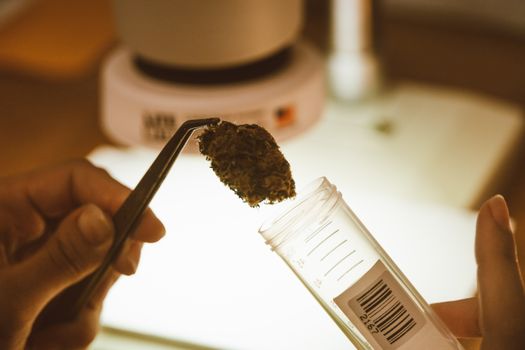
Detailed view of cannabis being prepared in a lab, focusing on analysis. Photo: Jess Loiterton / Pexels
For cannabis businesses, selecting the right cannabis testing lab in California is a decision that impacts product quality, market access, and ultimately, profitability. It's not just about finding a lab that can perform the tests; it's about partnering with a scientific institution that offers reliability, accuracy, efficiency, and exceptional customer service. One of the primary considerations is the lab's accreditation status. Ensure the lab holds ISO/IEC 17025 accreditation, which signifies its adherence to rigorous quality management systems and technical competence. Beyond accreditation, investigate the lab's specific methodologies and instrumentation. Do they use state-of-the-art equipment capable of detecting contaminants at the lowest regulatory limits? Are their scientists highly trained and experienced in cannabis analysis? A lab's turnaround time (TAT) is also crucial for businesses, as delays can impact inventory management and market entry. However, speed should never compromise accuracy. Look for a lab that strikes a balance, offering efficient service without cutting corners on scientific rigor. Transparency in reporting is another key factor. A reputable lab will provide clear, comprehensive Certificates of Analysis (CoAs) that are easy to understand for both businesses and consumers. They should also be available to answer questions and provide insights into the test results. For consumers, understanding the importance of lab testing empowers them to make informed purchasing decisions. Always look for the state-mandated universal symbol and a QR code on product packaging. Scanning this QR code should direct you to the product's CoA, allowing you to verify its potency, terpene profile, and, most importantly, its safety. If a product lacks this information or a verifiable CoA, it's a red flag. Consumers should prioritize products that have undergone rigorous testing, as this directly correlates with their safety and the accuracy of the product claims. The California cannabis market thrives on transparency, and the role of cannabis testing labs is central to upholding this principle. By being discerning, both businesses and consumers contribute to a safer and more trustworthy cannabis ecosystem.

Common Mistakes to Avoid When Engaging with Cannabis Testing Labs California
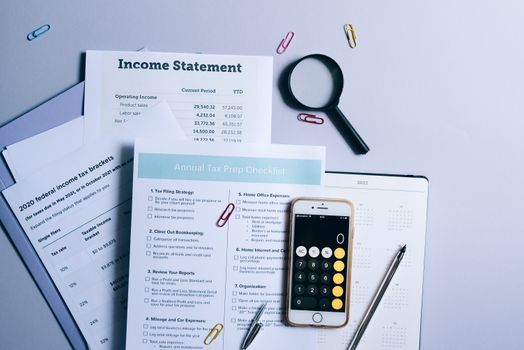
An organized desk with tax documents, checklist, and gadgets for tax preparation. Photo: Leeloo The First / Pexels
Engaging with cannabis testing labs in California can be a complex process, and both businesses and consumers can make mistakes that compromise safety or efficiency. Avoiding these pitfalls is crucial for a smooth and compliant experience. **For Businesses:** * **Underestimating Lead Times:** Don't wait until the last minute to submit samples. Labs can have varying turnaround times, and rushing the process can lead to errors or missed market opportunities. Plan ahead and communicate effectively with your chosen lab. * **Improper Sample Collection:** Incorrect sampling procedures can lead to inaccurate results, potentially causing an entire batch to fail testing. Ensure your team is thoroughly trained on DCC-mandated sampling protocols to guarantee representative samples. * **Ignoring Failed Results:** A failed test isn't the end of the world, but ignoring it can be. Understand the reasons for failure, explore remediation options (if applicable and legal), or properly dispose of non-compliant products. Attempting to sell failed product is illegal and severely damaging to your brand. * **Failing to Vet Labs Thoroughly:** Don't just choose the cheapest option. Research a lab's accreditation, reputation, scientific expertise, and customer service. A cheap lab might cost you more in the long run through inaccurate results or delays. * **Lack of Communication:** Maintain open lines of communication with your lab. Ask questions, understand their processes, and provide clear instructions. This fosters a better working relationship and minimizes misunderstandings. **For Consumers:** * **Not Checking for Lab Results:** The biggest mistake a consumer can make is not verifying a product's Certificate of Analysis (CoA). Always look for the QR code or batch number on packaging and access the lab results to confirm potency and safety. * **Assuming All Products Are Safe:** While California has strict regulations, illicit market products bypass all testing. Only purchase from licensed dispensaries to ensure your products have been tested by certified cannabis testing labs California. * **Misinterpreting CoA Data:** While CoAs can be technical, focus on key indicators like THC/CBD percentages and the 'Pass/Fail' status for contaminants. If something seems off or you don't understand, ask the dispensary staff for clarification. By being proactive and informed, both sides of the cannabis market can leverage the critical services of testing labs effectively, contributing to a safer and more reliable industry.

Comparison

FeatureTop-Tier Lab (Ideal)Standard LabBudget Lab (Risky)
AccreditationISO/IEC 17025 & DCC LicensedDCC Licensed (Working towards ISO)DCC Licensed (Minimal compliance)
Turnaround Time (TAT)Consistent & Reliable (2-5 days)Variable (3-7 days)Often Delayed (5-10+ days)
Scientific ExpertisePhD-level scientists, cutting-edge equipmentExperienced technicians, standard equipmentEntry-level staff, older equipment
Customer SupportDedicated account manager, proactive communicationResponsive, but limited personalized supportSlow, reactive, minimal guidance
Data TransparencyDetailed, easy-to-read CoAs, online portalStandard CoAs, email deliveryBasic CoAs, limited access
PricingPremium, but justifiable by quality/serviceCompetitive, standard market ratesLowest, but often with hidden costs/risks

What Readers Say

"Our dispensary relies heavily on accurate and timely testing. The cannabis testing labs in California we partner with consistently deliver on both fronts. Their CoAs are always clear, and their team is incredibly knowledgeable, helping us maintain full compliance and consumer trust."

Sarah J. · Los Angeles, CA

"As a cultivator, getting reliable test results quickly is paramount. This lab provides exceptional service, from efficient sample pickup to detailed reports. Their expertise ensures our products meet all California safety standards, which is a huge relief."

Mark T. · Oakland, CA

"I always check the QR code on my cannabis products to see the lab results. Knowing that a certified cannabis testing lab in California has verified the product's safety and potency gives me immense peace of mind. It's a non-negotiable for me."

Jessica L. · San Diego, CA

"The testing lab we use is generally excellent, though sometimes their turnaround times can be a little longer during peak harvest seasons. However, the quality of their analysis and their customer support always makes up for it. They're a trusted partner."

David R. · Sacramento, CA

"Working in product development for edibles, precise cannabinoid and terpene profiles are vital. The cannabis testing labs California offers provide the detailed data we need to formulate consistent and effective products, ensuring consumer satisfaction and regulatory adherence."

Emily C. · San Francisco, CA

Frequently Asked Questions

What exactly do cannabis testing labs in California test for?

Cannabis testing labs in California perform a comprehensive suite of analyses. This includes cannabinoid potency (THC, CBD, etc.), terpene profiles, residual pesticides, heavy metals (lead, arsenic, mercury, cadmium), microbial contaminants (mold, yeast, E. coli, Salmonella), residual solvents for concentrates, and foreign material/moisture content. These tests ensure product safety, quality, and accurate labeling for consumers.

Are all cannabis products sold in California required to be tested?

Yes, absolutely. Under California law, every single batch of cannabis product, regardless of its form (flower, edibles, concentrates, topicals), must undergo mandatory testing by a state-licensed and ISO/IEC 17025 accredited cannabis testing lab before it can be sold in the regulated market. This is a foundational pillar of consumer protection.

How can I verify if a cannabis product has been properly tested?

Most licensed cannabis products in California will have a QR code or a batch number on their packaging. You can scan the QR code with your smartphone or enter the batch number on the producer's or lab's website to access the Certificate of Analysis (CoA). This document will detail all the test results, confirming its potency and safety compliance.

How much does cannabis testing cost for businesses in California?

The cost of cannabis testing in California can vary significantly based on the type of product, the range of tests required, the lab's pricing structure, and the volume of samples. It typically ranges from a few hundred to over a thousand dollars per batch. While it's a significant operational cost, it's a mandatory investment in compliance, product quality, and consumer safety.

How do California's cannabis testing standards compare to other states?

California's cannabis testing standards are among the most rigorous and comprehensive in the United States, and indeed, globally. The state's Department of Cannabis Control (DCC) enforces strict limits for contaminants and mandates extensive testing panels, often exceeding the requirements of many other legal cannabis markets. This commitment to high standards is a hallmark of California's regulated industry.

Who should use cannabis testing labs in California?

Primarily, licensed cannabis cultivators, manufacturers, and distributors in California are legally required to use these labs for compliance. However, researchers, product developers, and even individual consumers (though less common due to cost and logistics) might seek out testing services for specific analyses, ensuring product safety, quality control, or research integrity.

What happens if a cannabis product fails testing in California?

If a cannabis product fails testing for certain contaminants (e.g., high pesticides or heavy metals), it cannot be sold to consumers. Depending on the nature of the failure, the product may be eligible for remediation (e.g., re-testing after a specific process), or it must be destroyed. The DCC track-and-trace system ensures failed batches are accounted for and do not enter the market.

What are the future trends in cannabis testing for California?

Future trends in cannabis testing for California are likely to include increased automation to improve efficiency and reduce human error, the development of even more sensitive detection methods for emerging contaminants, and potentially expanded testing panels for a wider range of cannabinoids and terpenes. There's also a growing focus on data analytics to identify trends and optimize cultivation and manufacturing processes, further enhancing product quality and safety.

Ensuring the safety and quality of cannabis products in the Golden State is a shared responsibility, with cannabis testing labs California playing a pivotal role. By understanding their critical function and making informed choices, businesses can thrive, and consumers can enjoy peace of mind. Partner with a trusted, accredited lab today to uphold the highest standards of the California cannabis market.

Topics: cannabis testing labs CaliforniaCalifornia cannabis compliancecannabis potency testing CAmarijuana safety testing Californialicensed cannabis labs California
Leo List

DK Escorts LU Escorts AT Escorts SE Escorts FI Escorts CH Escorts DE Escorts HR Escorts IE Escorts GR Escorts CZ Escorts NO Escorts BE Escorts FR Escorts SI Escorts IL Escorts NL Escorts PL Escorts HU Escorts ES Escorts IT Escorts PT Escorts SK Escorts RO Escorts ZA Escorts UY Escorts US Escorts UK Escorts NZ Escorts AU Escorts
Brampton weed
Adultwork EstrelaBet Vai de Bet R7 Bet Betão Galera Bet Rainbet Bet9ja Shop SportyBet BetKing Sisal Loto Foot Hollywoodbets YesPlay Odibets RushBet Jugabet BetWarrior BetCity MSport betPawa Fortebet