✓ California imposes cultivation, excise, and sales taxes on cannabis.
✓ Excise tax is levied on purchasers of cannabis products.
✓ Local jurisdictions can add their own cannabis business taxes.
✓ Tax rates have fluctuated since Proposition 64's passage.
How It Works
1
Cultivation Tax
Licensed cultivators pay a tax based on the weight and type of cannabis harvested. This tax is levied at the point of harvest from the grower.
2
Cannabis Excise Tax
Distributors collect an excise tax from retailers, which is then passed on to consumers. This tax is applied to the average market price of the retail sale.
3
State Sales Tax
Consumers pay the standard state sales tax on the retail price of cannabis products. This is collected by retailers at the point of sale.
4
Local Business Taxes
Cities and counties can impose their own additional taxes on cannabis businesses. These vary widely by jurisdiction and can include gross receipts taxes or per-square-foot cultivation taxes.
Understanding the Cannabis Tax Structure in California
Photo: www.kaboompics.com / Pexels
The landscape of cannabis taxes in California is undeniably complex, a multi-layered system designed to generate revenue for the state while regulating a once-illicit market. Since the passage of Proposition 64 (the Adult Use of Marijuana Act) in 2016, California has implemented a unique framework that impacts every stage of the cannabis supply chain, from seed to sale. For consumers, this translates to a higher price at the dispensary, while for businesses, it means navigating a labyrinth of compliance and financial obligations. The primary taxes levied on cannabis in California include a cultivation tax, a cannabis excise tax, and the standard state sales tax. Beyond these statewide mandates, local jurisdictions possess the authority to impose their own additional business taxes, adding another layer of complexity that can significantly vary the final cost depending on where you purchase or operate.
The cultivation tax, for instance, is imposed on cultivators at the point of harvest. This tax is determined by the weight and type of cannabis (e.g., flower, leaves, or fresh cannabis plants), with different rates for each category. This initial tax is then factored into the price charged by cultivators to distributors. Distributors, acting as a crucial intermediary, play a pivotal role in the tax collection process. They are responsible for collecting the cannabis excise tax from retailers. This excise tax is calculated based on the average market price of the cannabis product, as determined by the California Department of Tax and Fee Administration (CDTFA). This value is often higher than the wholesale price, further increasing the tax burden before the product even reaches the consumer. Finally, at the retail level, consumers face the standard state sales tax, which is applied to the final retail price, inclusive of the embedded excise tax. This cascading effect means that taxes are applied at multiple points, leading to a significant cumulative impact on the end consumer's wallet. Understanding this intricate structure is the first step toward comprehending why cannabis products in California often carry a substantial premium. Learn more about the California cannabis market here.
The Impact of Cultivation and Excise Taxes on Consumers and Businesses
Photo: Kindel Media / Pexels
The dual burden of cultivation and excise taxes has profound implications for both cannabis businesses and consumers across California. For businesses, particularly cultivators and distributors, these taxes represent a significant operational cost that must be managed strategically. The cultivation tax, levied on every pound of cannabis harvested, directly impacts the profit margins of growers. While initially designed to be a flat rate per ounce, the rates have seen adjustments and even temporary suspensions, reflecting the state's ongoing efforts to fine-tune its tax policy and address market challenges. This tax structure incentivizes efficiency in cultivation practices but also adds pressure to maintain competitive pricing in a market already saturated with products.
Distributors, on the other hand, shoulder the responsibility of collecting the cannabis excise tax from retailers. This tax, calculated as a percentage of the average market price of the retail sale, is a substantial component of the overall cost. The average market price, which is periodically updated by the CDTFA, aims to capture the true value of the product before it's sold to the consumer. However, this calculation can sometimes be contentious, leading to challenges for businesses trying to accurately forecast and manage their tax liabilities. The excise tax is ultimately passed down to the consumer, making it a hidden component of the final retail price. Consumers often see a single 'tax' line item on their receipt, unaware that it frequently bundles the state sales tax with this significant excise tax.
From a consumer perspective, these taxes contribute directly to the higher prices observed in the legal market compared to the illicit market. While the legal market offers regulated, tested, and safer products, the added tax burden can make it less attractive for price-sensitive buyers. This price disparity is a key factor in the continued struggle of the legal market to fully displace the black market. Businesses often find themselves caught between competitive pricing pressures and the need to cover these substantial tax obligations. The financial strain can be particularly acute for smaller operators and startups, making it challenging to achieve profitability and sustainability in a highly regulated and taxed environment. The ongoing debate around tax reform often centers on how to reduce this burden without compromising state revenue goals, all while aiming to bring more operators and consumers into the regulated system.
Navigating Local Cannabis Taxes and Their Variances
Photo: Cannafornia / Pexels
Beyond the statewide cultivation, excise, and sales taxes, the regulatory and financial landscape for cannabis in California is further complicated by the significant role of local jurisdictions. Cities and counties have considerable autonomy to impose their own local cannabis business taxes, which can vary dramatically from one municipality to another. This localized approach means that the total tax burden on a cannabis business, and consequently on the end consumer, can differ substantially depending on its geographic location. These local taxes can take various forms, including gross receipts taxes, per-square-foot cultivation taxes, or even specific transaction taxes. Some cities might impose a percentage of a business's gross revenue, while others might charge a flat fee per square foot of cultivation space, or a combination of both.
For example, a dispensary operating in Los Angeles might face different local tax rates and structures compared to one in San Francisco or Sacramento. These variations create a patchwork quilt of regulations that can be a significant hurdle for businesses looking to expand or for consumers trying to understand why prices differ across cities. The rationale behind these local taxes is often to generate revenue for municipal services, cover the administrative costs of regulating the cannabis industry, and sometimes to mitigate perceived negative impacts of cannabis businesses on the community. However, the cumulative effect of high state and local taxes has been widely cited as a major factor contributing to the ongoing challenges faced by California's legal cannabis market.
The variability of local taxes also creates an uneven playing field for businesses. Operators in high-tax jurisdictions may struggle to compete with those in areas with more favorable tax structures, potentially leading to market distortions and a concentration of businesses in certain regions. For consumers, this means that the final price of a cannabis product can be influenced not just by brand, quality, and state taxes, but also by the specific city or county where the purchase is made. Understanding these local nuances is critical for both businesses planning their operations and for consumers seeking to make informed purchasing decisions. Advocacy groups and industry stakeholders frequently call for greater standardization or reductions in these local taxes, arguing that they contribute to the high cost of legal cannabis and inadvertently bolster the illicit market. Explore the regulatory aspects of California cannabis.
Tips for Businesses and Consumers to Manage Cannabis Taxes in CA
Photo: Kindel Media / Pexels
Navigating the complex world of cannabis taxes in California can be challenging, but both businesses and consumers can employ strategies to manage their impact. For cannabis businesses, meticulous record-keeping is paramount. Maintaining accurate and detailed records of all transactions, cultivation yields, and sales is crucial for compliance with the California Department of Tax and Fee Administration (CDTFA) and local tax authorities. Investing in robust accounting software and potentially hiring a tax professional specializing in the cannabis industry can save significant headaches and prevent costly errors. Businesses should also stay informed about any legislative changes or updates to tax rates, as these can occur frequently. Strategic pricing, inventory management, and even exploring vertical integration can help absorb some of the tax burden. Understanding where your product is sourced and sold can also impact your overall tax liability, given the variance in local taxes.
For consumers, being an informed shopper is key. Always check the final price, including all taxes, before making a purchase. Many dispensaries now itemize taxes on receipts, allowing you to see the breakdown of state sales tax, excise tax, and any local taxes. Comparing prices across different dispensaries, especially if you have access to various jurisdictions, can help you find more tax-efficient options. Sometimes, traveling a short distance to a neighboring city with lower local taxes can result in noticeable savings. Additionally, consider purchasing in larger quantities if permissible and cost-effective, as the per-unit tax burden might be slightly less impactful than frequent small purchases. Lastly, supporting businesses that advocate for tax reform can contribute to long-term changes that may benefit all consumers. Stay aware of legislative efforts to reduce or restructure cannabis taxes, as these could lead to more affordable products in the future.
Mistakes to Avoid:
* **For Businesses:**
* Underestimating tax liabilities: Always budget conservatively for taxes.
* Failing to categorize products correctly: Different cannabis products have different cultivation tax rates.
* Ignoring local tax ordinances: These can be as impactful as state taxes.
* Not keeping up-to-date with regulatory changes: Tax laws are dynamic.
* Attempting to handle complex tax accounting without expert help: It's a specialized field.
* **For Consumers:**
* Assuming all dispensaries have the same final pricing: Local taxes vary.
* Not checking receipts for itemized tax breakdowns: Understand what you're paying for.
* Focusing only on pre-tax prices: The final price is what matters.
* Ignoring the impact of taxes on product affordability: It's a significant factor in the legal market.
Comparison
Tax Type
Who Pays/Collects
Basis of Calculation
Impact on Price
Cultivation Tax
Cultivators (paid by weight)
Per ounce of flower, leaves, or fresh plant
Adds to wholesale cost
Cannabis Excise Tax
Distributors collect from retailers; consumer pays
Percentage of average market price of retail sale
Significant addition to retail price
State Sales Tax
Retailers collect; consumer pays
Standard state sales tax rate on retail price (including excise)
Standard addition to final price
Local Business Taxes
Varies by city/county (paid by businesses)
Gross receipts, per sq ft, or other local methods
Variable addition to overall cost/price
What Readers Say
★★★★★
"This guide finally helped me understand why my cannabis purchases in California felt so expensive. The breakdown of cultivation, excise, and sales taxes made it crystal clear. I appreciate knowing where my money is going now."
Sarah J. · Oakland, CA
★★★★★
"As a small dispensary owner, navigating cannabis taxes in California has been my biggest headache. This article provides a fantastic overview and practical tips that I can implement immediately. The section on local taxes was particularly enlightening."
Mark D. · Long Beach, CA
★★★★★
"After reading this, I compared prices at two dispensaries just 20 miles apart and found a significant difference due to local taxes. This saved me about 15% on my usual purchase. Extremely helpful information!"
Jessica L. · Sacramento, CA
★★★★★
"The information on cannabis taxes California is comprehensive, though it highlights how frustrating the system is for businesses. It's not the guide's fault, but rather the complexity of the laws. Still, a necessary read for anyone in the industry."
Carlos M. · San Jose, CA
★★★★★
"I used to just grumble about the high prices, but now I understand the tax layers involved. This article empowered me to be a more informed consumer and even helped me articulate the issues to my local representatives. Thank you!"
Emily R. · Santa Cruz, CA
Frequently Asked Questions
What are the main types of cannabis taxes in California?
California imposes three primary statewide cannabis taxes: a cultivation tax (paid by cultivators based on weight), a cannabis excise tax (collected by distributors from retailers, passed to consumers), and the standard state sales tax (collected by retailers from consumers). Additionally, cities and counties can levy their own local business taxes.
Why are cannabis products so expensive in California's legal market?
The high cost is primarily due to the cumulative effect of multiple layers of taxation, including state cultivation, excise, and sales taxes, combined with often significant local business taxes. These taxes, along with operational costs associated with strict regulations, contribute to a higher final price for consumers compared to the illicit market.
How can I, as a consumer, understand the taxes on my cannabis purchase?
When purchasing cannabis, look for an itemized receipt that breaks down the different taxes applied, such as the state sales tax and the cannabis excise tax. Be aware that local taxes may also be embedded or listed separately. Comparing prices between dispensaries in different cities can also reveal the impact of varying local tax rates.
Are there any efforts to reform cannabis taxes in California?
Yes, there are ongoing discussions and legislative efforts to reform California's cannabis tax structure. Industry stakeholders and advocacy groups frequently push for tax reductions or restructuring, arguing that the current high tax burden hinders the growth of the legal market and inadvertently supports the illicit market. Changes have occurred and are likely to continue.
How do local cannabis taxes differ from state taxes?
State cannabis taxes (cultivation, excise, sales) are uniform across California. Local cannabis taxes, however, are imposed by individual cities and counties and vary widely. They can be based on gross receipts, cultivation square footage, or other metrics, adding an additional, localized layer of taxation on businesses and, indirectly, consumers.
Who is responsible for collecting the cannabis excise tax?
The cannabis excise tax is collected by licensed cannabis distributors from licensed cannabis retailers. The retailers then pass this cost on to the end consumer as part of the final purchase price. Distributors are responsible for remitting these collected taxes to the California Department of Tax and Fee Administration (CDTFA).
What are the risks for cannabis businesses if they don't comply with tax laws?
Non-compliance with California's cannabis tax laws can lead to severe penalties for businesses, including substantial fines, interest charges on unpaid taxes, suspension or revocation of licenses, and even criminal charges in cases of deliberate tax evasion. Accurate record-keeping and timely tax remittances are crucial to avoid these risks.
Will cannabis taxes in California ever decrease?
The possibility of cannabis tax decreases in California is a subject of ongoing debate and legislative action. While some tax rates have been adjusted or temporarily suspended in the past to support the legal market, future changes depend on various factors, including state revenue needs, market performance, and political will to further reform the system.
Understanding cannabis taxes in California is essential for both consumers and businesses. By staying informed about the multi-layered tax structure, you can navigate the market more effectively and advocate for a more sustainable future for California's legal cannabis industry.

 Photo: www.kaboompics.com / Pexels
 Photo: Kindel Media / Pexels
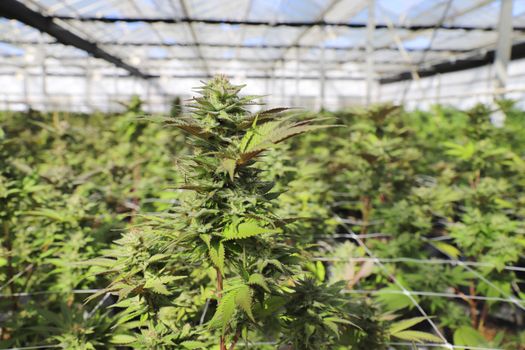 Photo: Cannafornia / Pexels
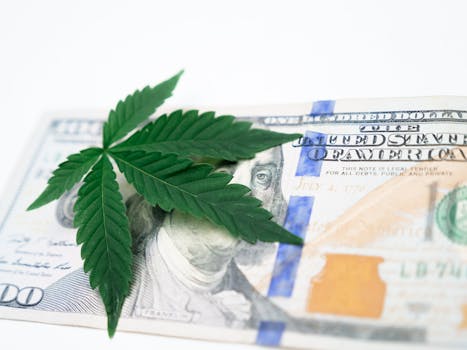 Photo: Kindel Media / Pexels