
Navigating Cannabis Regulations California 2024
Master the complex and ever-changing landscape of California's cannabis laws to ensure your success and compliance.
Explore the Latest UpdatesKey Takeaways
- ✓ California's cannabis market is the largest legal market in the world, valued at over $5 billion annually.
- ✓ The Department of Cannabis Control (DCC) is the primary regulatory body overseeing all commercial cannabis activities.
- ✓ Local jurisdictions (cities and counties) retain significant control over licensing and operational restrictions.
- ✓ Significant changes in 2024 focus on streamlining licensing, enhancing equity programs, and combating illicit markets.
How It Works
Familiarize yourself with the Medicinal and Adult-Use Cannabis Regulation and Safety Act (MAUCRSA) and subsequent amendments. This foundational knowledge is crucial for any operator.
Determine which state licenses (e.g., cultivation, manufacturing, distribution, retail, testing) are necessary for your specific business model. Each license has distinct requirements and application processes.
Research and comply with specific city and county ordinances, which can vary widely and often impose additional restrictions or requirements beyond state law. Local approval is often a prerequisite for state licensing.
Implement robust internal systems for tracking, inventory management (using METRC), testing, packaging, labeling, and security. Regular reporting and adherence to evolving regulations are mandatory for continued operation.
The Evolving Landscape of California Cannabis Laws in 2024
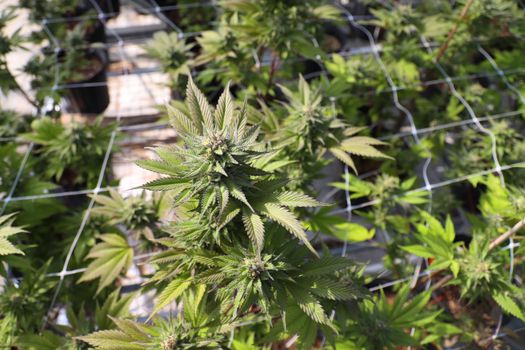 Photo: Cannafornia / Pexels
Key Regulatory Updates and Compliance Requirements for 2024
 Photo: MART PRODUCTION / Pexels
Navigating Local Control and Equity Programs in CA Cannabis
 Photo: Willbone Gallery / Pexels
Common Pitfalls and Best Practices for Cannabis Compliance in 2024
 Photo: Kindel Media / Pexels
Comparison
| Feature | State License (DCC) | Local Permit (City/County) | Equity Program Benefits | Illicit Market |
|---|---|---|---|---|
| Authority | Statewide | Jurisdiction-specific | State/Local | None |
| Cost | High (Application/Annual) | Variable (Application/Annual) | Reduced/Waived Fees | Low (No Taxes/Fees) |
| Compliance Complexity | High (MAUCRSA, METRC, etc.) | High (Specific Ordinances) | Lower Barriers, Still Complex | None (High Risk) |
| Consumer Trust | High (Tested Products) | Varies by Local Rep | Building Trust | Low (Untested Products) |
| Legality | ✓ | ✓ | ✓ | ✗ |
| Market Access | Statewide (with local) | Local jurisdiction only | Priority/Support | Underground |
What Readers Say
"This guide was incredibly helpful in understanding the cannabis regulations California 2024. It clarified the local vs. state rules, which has always been a major headache for our dispensary."
Alex P. · Oakland, CA"As a new cultivator, the detailed breakdown of testing requirements and METRC compliance was a lifesaver. This article truly helped us prepare for our 2024 license renewal."
Maria S. · Los Angeles, CA"The insights on equity programs were invaluable. Thanks to this, we successfully navigated the application process and secured priority processing for our social equity license."
John D. · Sacramento, CA"Very comprehensive overview, though the sheer volume of information can still feel overwhelming. It's a great starting point, but always consult with a legal professional."
Sarah L. · San Francisco, CA"This article clearly explained the evolving advertising rules, which helped us redesign our marketing strategy to stay compliant with 2024 cannabis regulations California 2024 guidelines."
Ben T. · San Jose, CAFrequently Asked Questions
What is the primary regulatory body for cannabis in California in 2024?
The Department of Cannabis Control (DCC) is the primary state agency responsible for licensing and regulating all commercial cannabis activities in California. It oversees cultivation, manufacturing, distribution, testing, and retail operations, ensuring compliance with the Medicinal and Adult-Use Cannabis Regulation and Safety Act (MAUCRSA).
Do I need both state and local licenses to operate a cannabis business in California?
Yes, absolutely. California operates under a dual-licensing system. You must obtain both a state license from the DCC and a local license or authorization from the city or county where your business will operate. Local approval is a prerequisite for state licensing.
How do I ensure my cannabis products meet California's safety standards?
All commercial cannabis products must undergo mandatory testing by state-licensed laboratories for cannabinoid potency, terpenes, pesticides, heavy metals, microbial contaminants, and residual solvents. Implementing robust quality control throughout your supply chain and partnering with accredited labs are key steps.
What are the typical costs associated with cannabis compliance in California?
Costs can vary significantly but include state application and annual license fees (ranging from thousands to tens of thousands), local permit fees, significant investments in compliant packaging and labeling, METRC tracking system fees, legal and consulting fees, and ongoing testing costs. Taxes (cultivation, excise, sales) are also substantial operational expenses.
How do California's cannabis regulations compare to other states?
California's cannabis regulations are among the most comprehensive and stringent in the nation, particularly concerning product testing, packaging, and environmental protections. Its dual-licensing system and strong emphasis on local control also make it more complex than many other states with legal cannabis markets.
Who benefits from California's cannabis equity programs?
Cannabis equity programs in California are designed to support individuals and communities disproportionately harmed by past cannabis prohibition. This often includes those with prior cannabis-related convictions, residents of high-poverty areas, or individuals meeting specific income thresholds. Benefits can include priority licensing, fee waivers, and technical assistance.
What are the risks of operating without proper licensing in California?
Operating without proper state and local licenses in California carries severe risks, including substantial fines, seizure of product and assets, criminal charges, and permanent bars from entering the legal cannabis market. The state has significantly ramped up enforcement against the illicit market.
What future trends should I anticipate in California's cannabis regulations?
Future trends likely include continued efforts to streamline licensing, potential tax reforms to better compete with the illicit market, further refinement of environmental regulations, and ongoing development of social equity initiatives. The state may also explore interstate commerce possibilities if federal laws evolve.
Stay ahead of the curve in California's dynamic cannabis industry. Understand the latest cannabis regulations California 2024 to ensure your business remains compliant, competitive, and successful. Partner with experts and leverage this knowledge to thrive in the Golden State's evolving market.
IE Escorts NO Escorts US Escorts NZ Escorts AU Escorts
Brampton weed
Adultwork EstrelaBet Vai de Bet R7 Bet Betão Galera Bet Rainbet Bet9ja Shop SportyBet BetKing Sisal Loto Foot Hollywoodbets YesPlay Odibets RushBet Jugabet BetWarrior BetCity MSport betPawa Fortebet