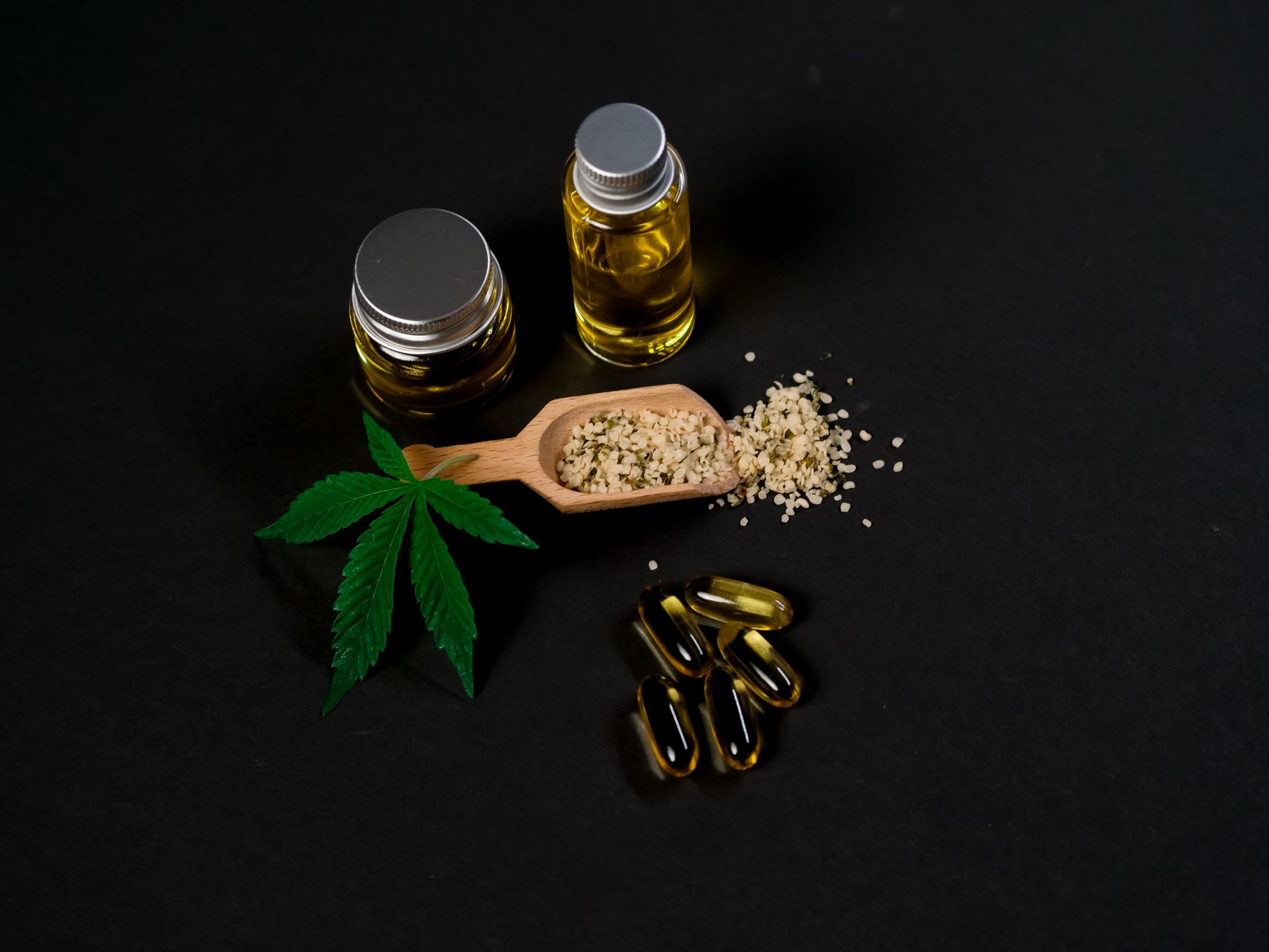
Cannabis for Pain Relief California: Your Guide to Natural Wellness
cannabis for pain relief California

Cannabis for Pain Relief California: Your Guide to Natural Wellness

Unlock natural pain management solutions and improve your quality of life with safe, legal cannabis in California.

Find Your Relief Now

Key Takeaways

  • ✓ California was the first state to legalize medical cannabis in 1996.
  • ✓ Both THC and CBD, and other cannabinoids, contribute to cannabis's pain-relieving properties.
  • ✓ Various consumption methods (edibles, tinctures, topicals, smoking) offer different onset times and durations.
  • ✓ Consulting with a qualified medical professional is crucial for personalized cannabis recommendations.
  • ✓ Understanding California's cannabis regulations is key to safe and legal access.

How It Works

1
Understand Your Pain

Before exploring cannabis, identify the type, intensity, and duration of your pain. This helps in selecting the most suitable cannabis products and strains.

2
Consult a Medical Professional

Speak with a doctor or cannabis specialist in California to discuss your condition and potential benefits. They can provide guidance on dosages and product types.

3
Explore Product Options

Research different cannabis products available in California, including high-THC, high-CBD, balanced ratios, and various consumption methods. Dispensary staff can also assist.

4
Start Low, Go Slow

Begin with a low dose and gradually increase it until you find the optimal relief with minimal side effects. Monitor your body's response carefully.

Understanding the Science Behind Cannabis and Pain Relief in California
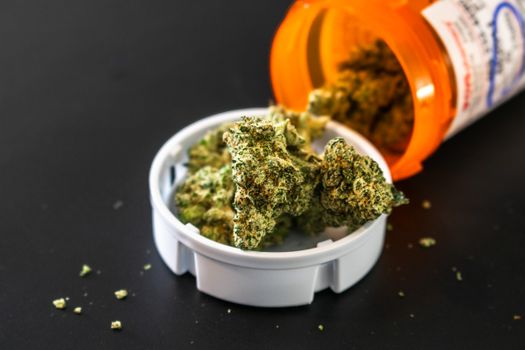
Close-up of medical cannabis spilling from an orange prescription bottle onto a surface. Photo: Terrance Barksdale / Pexels
For centuries, various cultures have utilized cannabis for its therapeutic properties, and modern science is increasingly validating these traditional uses, especially concerning pain management. In California, where cannabis is both medically and recreationally legal, a deeper understanding of how this plant interacts with the human body is empowering individuals seeking alternatives to conventional pain medications. The key to cannabis's analgesic effects lies primarily in its interaction with the endocannabinoid system (ECS), a complex cell-signaling system present throughout the human body. The ECS plays a crucial role in regulating a wide range of physiological processes, including pain sensation, mood, appetite, memory, and immune function. It consists of endocannabinoids (cannabinoids produced by the body), receptors (CB1 and CB2), and enzymes that synthesize and degrade endocannabinoids. Phytocannabinoids, such as THC (tetrahydrocannabinol) and CBD (cannabidiol), found in the cannabis plant, mimic the body's own endocannabinoids and interact with these CB1 and CB2 receptors. THC is primarily responsible for the psychoactive effects of cannabis but also exhibits significant pain-relieving properties by binding to CB1 receptors, which are abundant in the central nervous system, influencing pain perception. CBD, on the other hand, is non-intoxicating and interacts with the ECS in a more indirect way, modulating receptor activity and influencing other non-cannabinoid receptors and ion channels. Its pain-relieving mechanisms include reducing inflammation, modulating pain signals, and potentially enhancing the body's natural pain-killing endocannabinoids. Many patients seeking cannabis for pain relief in California find that a combination of THC and CBD, often referred to as the 'entourage effect,' provides more comprehensive relief than either compound alone. This synergistic interaction suggests that the various compounds in the cannabis plant—cannabinoids, terpenes, and flavonoids—work together to produce a greater therapeutic effect than isolated compounds. Understanding these fundamental principles is the first step towards effectively utilizing cannabis for your pain management needs in California, ensuring you can make informed decisions about your treatment plan.

Navigating California's Cannabis Landscape for Pain Management
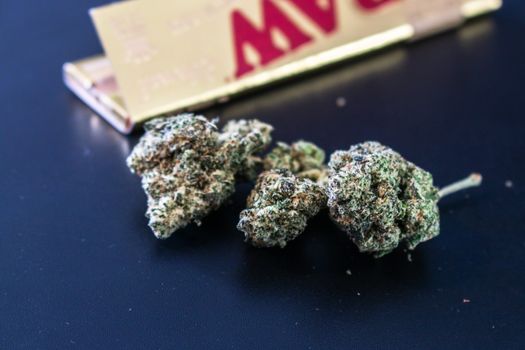
Macro image of cannabis buds accompanied by rolling paper on a dark surface. Photo: Terrance Barksdale / Pexels
California's pioneering role in cannabis legalization has created a diverse and accessible market for those seeking pain relief. However, navigating this landscape requires an understanding of both the legal framework and the vast array of available products. Since the passage of Proposition 215 in 1996 for medical use and Proposition 64 in 2016 for adult recreational use, California has established a robust regulatory system. For medical cannabis users, obtaining a medical cannabis recommendation from a licensed physician is an option, which can sometimes lead to lower taxes and higher purchase limits compared to adult-use purchases. While a medical card isn't strictly necessary for adults over 21 to purchase cannabis, it can offer certain advantages for those with chronic conditions and specific pain management needs. Dispensaries, both brick-and-mortar and delivery services, are the primary legal channels for obtaining cannabis products. These licensed establishments are regulated by the Department of Cannabis Control (DCC) and are required to sell products that have undergone rigorous testing for potency, pesticides, heavy metals, and other contaminants, ensuring consumer safety. When visiting a dispensary in California for cannabis for pain relief, you'll encounter a wide range of product types. These include traditional flower (indica, sativa, and hybrid strains), edibles (gummies, chocolates, beverages), tinctures (sublingual drops), topicals (creams, balms, patches), concentrates (vapes, dabs), and capsules. Each consumption method offers different onset times, durations of effect, and bioavailability, making the choice dependent on your specific pain profile and lifestyle. For instance, topicals are excellent for localized pain without psychoactive effects, while edibles provide long-lasting systemic relief. Discussing your pain symptoms and desired effects with a knowledgeable dispensary consultant is highly recommended. They can help you understand the nuances of different strains, cannabinoid ratios (e.g., high-CBD, high-THC, 1:1 CBD:THC), and terpene profiles, all of which contribute to the overall therapeutic experience. California's commitment to regulated access ensures that patients and consumers can find safe and effective options for managing their pain with cannabis.

Choosing the Right Cannabis Product for Your Pain in California
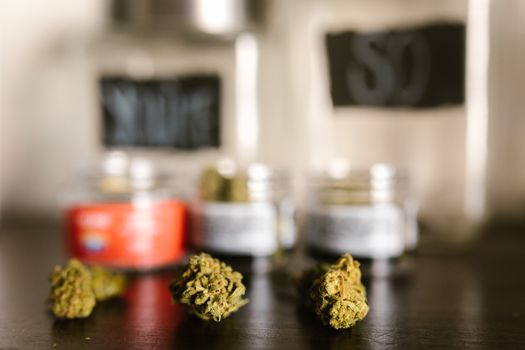
Macro shot of cannabis buds with blurred glass jars in the background, emphasizing texture and color. Photo: RDNE Stock project / Pexels
Selecting the most effective cannabis product for your specific type of pain requires careful consideration and often a process of trial and error. With the extensive selection available in California's regulated market, understanding the distinctions between products is paramount. One of the primary considerations is the cannabinoid profile, specifically the ratio of THC to CBD. For severe, acute pain or neuropathic pain, higher THC strains might be more effective due to THC's potent analgesic and anti-inflammatory properties, though they come with psychoactive effects. Conversely, for generalized inflammation, mild pain, or for individuals sensitive to THC, high-CBD products or balanced 1:1 THC:CBD ratios are often recommended. CBD is celebrated for its anti-inflammatory, anxiolytic, and neuroprotective properties without inducing intoxication. Beyond THC and CBD, other minor cannabinoids like CBG (cannabigerol) and CBN (cannabinol) are gaining attention for their potential pain-relieving benefits, with CBG showing promise for inflammation and CBN for sedation and pain relief, particularly for sleep-related pain. The terpene profile is another critical factor. Terpenes are aromatic compounds found in cannabis that contribute to its scent and flavor, but also play a significant role in its therapeutic effects through the entourage effect. For example, myrcene is known for its sedative and anti-inflammatory properties, limonene for mood elevation and anti-inflammatory effects, and caryophyllene for its ability to activate CB2 receptors, directly targeting inflammation. When considering cannabis for pain relief in California, the method of consumption profoundly impacts the onset and duration of effects. Inhalation (smoking or vaping) offers rapid onset (minutes) and shorter duration (2-4 hours), ideal for acute pain flares. Edibles and capsules have a delayed onset (30 minutes to 2 hours) but provide prolonged relief (4-8 hours or more), making them suitable for chronic, persistent pain. Topicals offer localized relief without systemic effects, perfect for muscle aches, arthritis, or skin conditions. Tinctures provide a middle ground, with faster onset than edibles (15-45 minutes) and moderate duration. It's advisable to keep a pain journal to track the products you use, dosages, onset times, duration of relief, and any side effects. This data-driven approach will help you fine-tune your regimen and discover what works best for your unique pain management needs within California's diverse cannabis market.

Tips for Safe and Effective Cannabis Use for Pain Relief in California
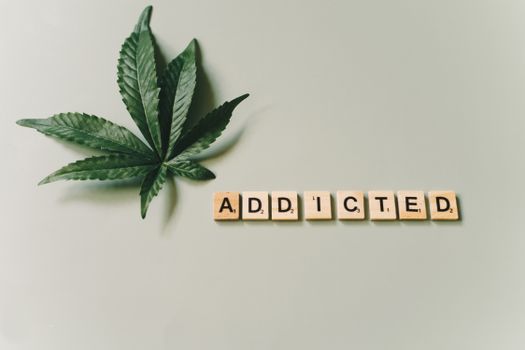
A cannabis leaf and wooden letter tiles spelling 'addicted' on a green surface. Photo: Alesia Kozik / Pexels
To maximize the benefits and minimize potential risks when using cannabis for pain relief in California, a thoughtful and informed approach is essential. Here are some crucial tips: * **Start Low, Go Slow (Titration):** This is perhaps the most important rule. Begin with a very small dose, especially if you are new to cannabis or trying a new product. Wait at least 1-2 hours for edibles, and 15-30 minutes for inhaled products, before considering another dose. Gradually increase until you achieve the desired relief without unwanted side effects. This prevents overconsumption and helps you find your optimal therapeutic window. * **Understand Product Labels:** California's regulated market requires comprehensive labeling. Pay close attention to THC and CBD percentages, cannabinoid ratios, and terpene profiles. Look for products that have been third-party tested for purity and potency, indicated by a QR code or lab results. Understand the difference between total cannabinoids and active cannabinoids. * **Choose the Right Consumption Method:** Match your consumption method to your pain type and lifestyle. For acute pain, inhalation offers quick relief. For chronic, persistent pain, edibles or tinctures provide longer-lasting effects. Topicals are excellent for localized pain without psychoactive effects. Consider your daily routine and how each method fits. * **Stay Hydrated and Well-Fed:** Cannabis can sometimes cause dry mouth (cottonmouth) and, in some cases, affect blood sugar levels. Ensure you are well-hydrated and have eaten before consuming cannabis, particularly edibles. * **Avoid Mixing with Alcohol or Other Substances:** Combining cannabis with alcohol or certain prescription medications can intensify effects and lead to unpredictable outcomes. Always consult your doctor or pharmacist about potential interactions. * **Store Safely and Responsibly:** Keep all cannabis products out of reach of children and pets. Store them in original, child-resistant packaging in a cool, dark place to preserve potency and freshness. * **Be Mindful of Set and Setting:** Your mindset (set) and environment (setting) can significantly influence your cannabis experience. Use cannabis in a comfortable, safe, and familiar environment, especially when experimenting with new products or higher doses. * **Consult with Professionals:** Don't hesitate to consult with a doctor experienced in cannabis medicine or a knowledgeable dispensary staff member. They can provide personalized advice based on your health history and pain conditions. While dispensary staff cannot give medical advice, they can guide you through product options. * **Keep a Journal:** Document your cannabis use, including product type, dose, time of consumption, pain levels before and after, and any side effects. This personal data is invaluable for refining your treatment plan. By following these guidelines, individuals seeking cannabis for pain relief in California can navigate their journey more safely and effectively, ultimately improving their quality of life.

Comparison

FeatureHigh-CBD ProductHigh-THC Product1:1 CBD:THC Product
Psychoactive EffectsMinimal/NoneStrongMild to Moderate
Primary BenefitAnti-inflammatory, anxiolyticStrong pain relief, euphoriaBalanced pain relief, reduced anxiety
Onset Time (Edible)60-120 mins60-120 mins60-120 mins
Duration (Edible)4-8 hours4-8 hours4-8 hours
Best ForInflammation, mild pain, anxietySevere pain, nausea, appetiteModerate pain, balancing effects
Legality (CA)✓ (Adult Use)✓ (Adult Use)✓ (Adult Use)

What Readers Say

"After years of dealing with chronic back pain, finding the right cannabis for pain relief in California has been a game-changer. A 1:1 CBD:THC tincture helps me manage my discomfort without feeling overly sedated, allowing me to stay active."

Sarah J. · Los Angeles, CA

"I used to rely heavily on prescription painkillers for my neuropathy, but a friend recommended exploring cannabis for pain relief in California. Now, a specific indica strain from my local dispensary helps me sleep through the night with significantly less pain."

Mark D. · San Francisco, CA

"The topical balms available for cannabis for pain relief in California are incredible for my arthritic hands. I can apply it directly to the affected area and get localized relief within minutes, without any psychoactive effects. It's truly made a difference in my daily life."

Jessica L. · San Diego, CA

"It took some experimentation, but I've found that a low-dose CBD edible combined with a small amount of THC flower provides consistent relief for my fibromyalgia. The selection for cannabis for pain relief in California is vast, which is great but can be overwhelming at first."

Robert P. · Sacramento, CA

"As someone with persistent migraines, finding effective relief has been a struggle. The cannabis for pain relief options in California, particularly high-THC vape cartridges, have become my go-to for acute attacks, significantly reducing their duration and intensity."

Maria G. · Oakland, CA

Frequently Asked Questions

Is cannabis for pain relief legal in California?

Yes, cannabis is legal for both adult recreational use (21+) and medical use in California. Adults can purchase and possess cannabis products from licensed dispensaries for pain relief without a medical card, though a medical recommendation can offer certain benefits.

Will cannabis make me feel 'high' when used for pain?

It depends on the product's cannabinoid profile. Products high in THC will likely produce psychoactive effects. However, high-CBD products or topicals are non-intoxicating, and balanced THC:CBD products can offer pain relief with milder psychoactivity. Starting with low doses is key to managing effects.

How do I choose the right strain or product for my specific pain?

Choosing the right product involves understanding your pain type, desired effects, and tolerance. Consulting with a doctor knowledgeable in cannabis medicine or a well-trained dispensary consultant can help. They can guide you based on cannabinoid ratios (THC:CBD), terpene profiles, and consumption methods best suited for your condition.

What is the typical cost of cannabis for pain relief in California?

The cost varies widely based on product type, potency, brand, and dispensary location. Flower can range from $20-$60 per eighth, edibles from $15-$40, and tinctures/topicals from $30-$80+. Medical cannabis patients may benefit from tax exemptions.

How does cannabis compare to traditional pain medications?

Cannabis offers an alternative to traditional pain medications, often with a different side effect profile. While it may not replace all conventional treatments, many find it effective for chronic pain, neuropathy, and inflammation, often with fewer adverse effects than opioids or NSAIDs. Always discuss with your doctor before altering your medication regimen.

Who should avoid using cannabis for pain relief?

Individuals with a history of psychosis, severe heart conditions, pregnant or breastfeeding individuals, and those on certain medications should exercise caution or avoid cannabis. Always consult a healthcare professional before starting cannabis for pain relief, especially if you have underlying health conditions.

Are there any side effects when using cannabis for pain?

Common side effects can include dry mouth, red eyes, dizziness, increased heart rate, and altered perception (with THC). Higher doses of THC can lead to anxiety or paranoia. CBD is generally well-tolerated but can cause drowsiness or digestive upset in some individuals. Side effects are often dose-dependent.

What new developments are there in cannabis for pain relief research?

Research continues to explore the roles of minor cannabinoids (like CBG, CBN, THCV) and terpenes in pain management. Studies are also focusing on optimizing cannabinoid ratios for specific pain conditions and developing novel delivery methods for targeted relief. California's robust research environment contributes significantly to these advancements.

Embrace the potential of cannabis for pain relief in California and discover a path to enhanced well-being. With a wide range of legal, tested products and expert guidance available, you can find the relief you deserve. Consult with a professional and explore the options today to take control of your pain.

Topics: cannabis for pain relief Californiamedical marijuana CACBD for pain CaliforniaTHC for pain Californiacannabis dispensaries California
Leo List
Brampton weed
Adultwork