
Navigating Cannabis Laws California: Your Complete Guide
Unravel the complexities of California's cannabis regulations, ensuring you're informed and compliant.
Explore CA Cannabis LawsKey Takeaways
- ✓ Recreational cannabis is legal for adults 21+.
- ✓ Personal possession limit is 1 ounce of flower or 8 grams of concentrate.
- ✓ Medical patients can possess more and are exempt from some taxes.
- ✓ Home cultivation is permitted for up to six plants per residence.
- ✓ Consumption in public places remains illegal.
How It Works
Familiarize yourself with the maximum amount of cannabis flower or concentrate you can legally possess as an adult. This limit is crucial for recreational users.
Learn the distinctions between medical cannabis patient rights and recreational adult-use laws, including possession limits and tax implications. Medical patients often have expanded privileges.
Identify permissible consumption locations, primarily private residences, and understand where consumption is strictly prohibited, such as public spaces or while driving.
If considering home cultivation, understand the plant limits per residence and ensure your grow operation adheres to local ordinances and state regulations.
The Evolution of Cannabis Laws California: A Timeline
 Photo: Kindel Media / Pexels
Fast forward to 2016, and California voters once again made history by passing Proposition 64, the Adult Use of Marijuana Act (AUMA). This monumental legislation legalized recreational cannabis for adults 21 and older, marking a pivotal shift from a medical-only framework to a comprehensive regulatory system encompassing both medical and adult-use markets. AUMA established a robust licensing and regulatory structure overseen by various state agencies, including the Bureau of Cannabis Control (now the Department of Cannabis Control), the California Department of Food and Agriculture, and the California Department of Public Health. It set forth rules for cultivation, manufacturing, testing, distribution, and retail sales, aiming to create a safe, legal, and transparent cannabis industry. This move not only broadened access to cannabis but also introduced significant changes to criminal penalties, reducing many marijuana-related offenses from felonies to misdemeanors or infractions. The implementation of AUMA was a complex undertaking, requiring the development of extensive regulations and the establishment of new state and local licensing processes. It also introduced a system of taxation on cannabis products, generating substantial revenue for the state. Understanding the historical context of cannabis laws California is crucial for grasping the current regulatory environment. The transition from Prop 215 to Prop 64 represented a massive undertaking, transforming an often-chaotic medical market into a regulated industry with strict compliance requirements. This evolution continues to shape how cannabis is produced, sold, and consumed throughout the state, with ongoing adjustments and refinements to the legal framework.
Recreational Cannabis Laws: What Adults Need to Know
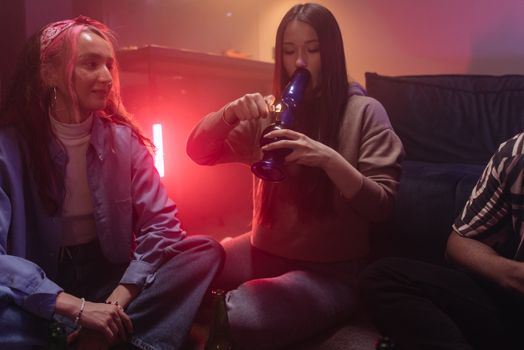 Photo: Pavel Danilyuk / Pexels
Where you can consume cannabis is another critical aspect of recreational cannabis laws in California. Public consumption remains illegal. This includes parks, sidewalks, restaurants, bars, and any other public space. Consumption is generally restricted to private residences. Even in private residences, landlords have the right to prohibit cannabis use on their property, so renters should be aware of their lease agreements. It is also illegal to consume cannabis in places where tobacco smoking is prohibited. Driving under the influence of cannabis is strictly prohibited and carries penalties similar to those for driving under the influence of alcohol. Law enforcement can use field sobriety tests and blood tests to determine impairment. Passengers in vehicles are also prohibited from consuming cannabis. Open containers of cannabis are not allowed in vehicles, similar to open alcohol containers. Cannabis products must be in a sealed container or stored in the trunk of the vehicle while in transit.
Furthermore, while recreational cannabis is legal, employers retain the right to maintain drug-free workplaces and can drug test employees for cannabis. Federal law still classifies cannabis as an illegal Schedule I drug, which means federal properties, including national parks, federal buildings, and airports, are entirely off-limits for cannabis possession or consumption. Transporting cannabis across state lines, even if both states have legalized it, is a federal offense and is strictly prohibited. Understanding these nuances is key to enjoying recreational cannabis legally and responsibly within the state of California. Always check local city and county ordinances, as some jurisdictions may have additional restrictions beyond state law. For instance, some cities may limit the number of dispensaries or prohibit them entirely, even though state law allows for recreational sales. Staying informed about these specific cannabis possession and consumption rules is paramount.
Medical Cannabis in California: Patient Rights and Protections
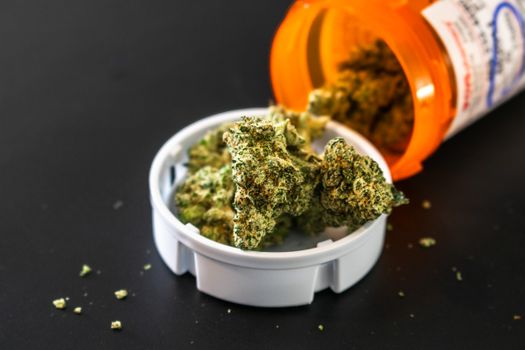 Photo: Terrance Barksdale / Pexels
One of the primary benefits for medical patients is higher possession limits compared to recreational users. While recreational users are limited to 1 ounce of flower or 8 grams of concentrate, medical patients, with a valid doctor's recommendation, can possess up to 8 ounces of dried cannabis or its equivalent in concentrates. If a physician determines that a patient's medical needs require more, they can recommend a higher amount, which the patient can then legally possess. This flexibility ensures that patients with severe or chronic conditions have access to the quantities they need for effective treatment. Additionally, medical patients have enhanced rights regarding personal cultivation. While recreational users can grow up to six plants per residence, medical patients, or their primary caregivers, can cultivate more if their physician recommends it and if the additional plants are reasonably related to the patient's medical needs. This provision allows patients to ensure a consistent supply of their medicine.
It's important for medical cannabis patients to understand that while their rights are expanded, they are not limitless. Consumption in public remains illegal, and driving under the influence of cannabis is strictly prohibited, just as it is for recreational users. Federal law still supersedes state law, meaning that medical cannabis is not allowed on federal lands or in federal facilities. Furthermore, employers still have the right to enforce drug-free workplace policies. Despite these limitations, California's medical cannabis program provides a robust framework for patients to access and use cannabis for therapeutic purposes with greater legal certainty and financial benefits. Patients should always carry their physician's recommendation and, ideally, their MMIC when possessing or purchasing medical cannabis to demonstrate their legal status. This helps avoid potential misunderstandings with law enforcement. Understanding the specifics of medical cannabis benefits and regulations is crucial for patients seeking relief.
Cultivation, Sales, and Enforcement: Navigating CA Cannabis Commerce
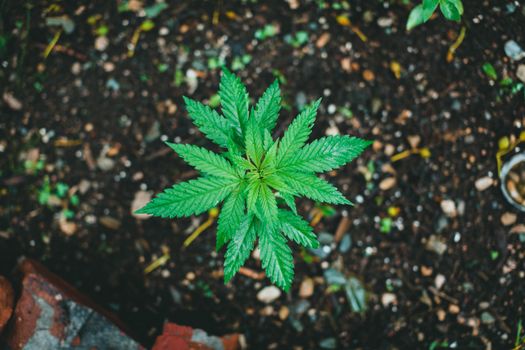 Photo: Jonathan Cooper / Pexels
Beyond state licensing, local jurisdictions (cities and counties) play a critical role in regulating commercial cannabis. California's cannabis laws grant local governments significant authority to ban or restrict commercial cannabis businesses within their borders. This means that even if a business qualifies for a state license, it cannot operate without first obtaining a local permit or license from the city or county where it intends to operate. This dual licensing requirement has led to a highly fragmented market, with some areas embracing the cannabis industry and others imposing outright bans or severe restrictions. Businesses must navigate both state and local regulations, which can vary widely, creating a challenging environment for entrepreneurs.
For individuals looking to cultivate cannabis at home, state law permits adults 21 and over to grow up to six cannabis plants per private residence, regardless of the number of adults living there. These plants must be grown in a locked area, out of public view. Local jurisdictions, however, can impose additional restrictions on home cultivation, such as requiring indoor cultivation only or establishing setbacks from property lines. Medical patients, as discussed, may be allowed to grow more plants if their physician recommends it.
Enforcement of cannabis laws in California is a shared responsibility between state and local law enforcement agencies. The DCC actively works to combat the illicit market, which continues to pose a significant challenge to the legal industry. This includes cracking down on unlicensed dispensaries, illegal cultivation sites, and manufacturers of unregulated products. Penalties for operating without a license or engaging in other illegal cannabis activities can be severe, including substantial fines, asset forfeiture, and criminal charges. Consumers are encouraged to purchase cannabis only from licensed dispensaries, which can be verified through the DCC's online license search tool, to ensure they are buying safe, tested products and supporting the legal market. Understanding the intricacies of California's commercial cannabis framework is essential for both businesses and consumers to operate within the bounds of the law and contribute to a safe and thriving legal cannabis industry.
The ongoing evolution of these laws means staying informed is not just beneficial, but necessary.
Common Mistakes and Misconceptions About California Cannabis Laws
Another significant misconception revolves around driving under the influence. Many individuals mistakenly believe that because they don't feel impaired, they are safe to drive after consuming cannabis. However, California's DUI laws apply equally to cannabis as they do to alcohol. Law enforcement can use various methods, including field sobriety tests and blood tests, to determine cannabis impairment. Driving with any detectable amount of active THC in your system that impairs your ability to drive safely can result in a DUI charge, with penalties including fines, license suspension, and even jail time. It's crucial to understand that cannabis impairment can last for several hours, and its effects vary widely among individuals.
A common mistake for travelers is attempting to transport cannabis across state lines or onto federal property. Even if you are traveling from California to another state where cannabis is legal, crossing state lines with cannabis is a federal offense and can lead to severe penalties. Similarly, federal properties such as national parks, national forests, and airports are under federal jurisdiction, where cannabis remains illegal, regardless of California state law. Ignorance of this distinction is not a valid defense.
Finally, many people underestimate the importance of purchasing from licensed dispensaries. The illicit market still thrives in California, offering seemingly cheaper products. However, these products are unregulated, untested, and often contain harmful contaminants like pesticides, heavy metals, or mold. They may also be inaccurately labeled for potency, leading to unpredictable effects. Purchasing from unlicensed sources not only supports criminal enterprises but also puts your health and safety at risk. Always verify a dispensary's license through the DCC website. Avoiding these common pitfalls is essential for responsible and legal cannabis use in California.
Always prioritize safety and compliance to ensure a smooth experience with California cannabis laws.
Comparison
| Feature | Recreational (Adult 21+) | Medical (Qualified Patient) |
|---|---|---|
| Possession Limit (Flower) | 1 ounce (28.5g) | 8 ounces (or more with recommendation) |
| Possession Limit (Concentrate) | 8 grams | 8 grams (or more with recommendation) |
| Home Cultivation | 6 plants per residence | 6 plants per residence (more with recommendation) |
| State Sales Tax Exemption | ✗ | ✓ |
| MMIC Card Benefit | N/A | ✓ (optional, but recommended) |
| Purchase Age | 21+ | 18+ (with doctor's recommendation) |
| Public Consumption | Illegal | Illegal |
What Readers Say
"This guide clarified so many questions I had about cannabis laws in California. I now feel much more confident about my rights and responsibilities as a consumer, especially regarding possession limits."
Sarah J. · Los Angeles, CA"As a medical patient, understanding the differences between recreational and medical laws is crucial. This article laid out the benefits of having an MMIC very clearly, which I appreciate."
Mark D. · San Francisco, CA"The section on common mistakes was incredibly helpful! I used to think I could consume on my balcony, but now I understand the public view restrictions. Saved me from a potential citation!"
Jessica L. · San Diego, CA"A very comprehensive overview, though I wish there was a bit more detail on specific local ordinances. Still, a fantastic starting point for anyone trying to understand cannabis laws in California."
Alex K. · Sacramento, CA"I was overwhelmed by all the regulations for opening a cannabis business. This article provided a great foundational understanding of the state and local licensing hurdles, making my research much more focused."
Emily R. · Oakland, CAFrequently Asked Questions
What is the legal age to purchase and consume cannabis in California?
For recreational cannabis, the legal age is 21 years or older. For medical cannabis, qualified patients can be 18 years or older with a valid physician's recommendation. Always carry a valid ID when purchasing or possessing cannabis.
Can I consume cannabis in public places in California?
No, consuming cannabis in public places, including parks, sidewalks, and businesses open to the public, is illegal in California. Consumption is generally restricted to private residences, and even then, landlords can prohibit it.
How many cannabis plants can I grow at home in California?
Adults 21 and over can cultivate up to six cannabis plants per private residence. These plants must be grown in a locked area, out of public view. Medical patients may be able to grow more with a doctor's recommendation.
Are there taxes on cannabis purchases in California?
Yes, cannabis purchases are subject to state excise taxes, cultivation taxes, and sales taxes. Additionally, many local jurisdictions impose their own local cannabis taxes. Medical cannabis patients with a state-issued MMIC are exempt from state sales and use tax.
Is it legal to drive after consuming cannabis in California?
No, driving under the influence of cannabis is illegal and carries penalties similar to those for alcohol DUI. Law enforcement can use field sobriety tests and blood tests to determine impairment. It's best to avoid driving for several hours after consumption.
Who regulates the cannabis industry in California?
The Department of Cannabis Control (DCC) is the primary state agency responsible for licensing and regulating all commercial cannabis activity in California, from cultivation to retail sales. Local governments also have significant regulatory authority within their jurisdictions.
Is it safe to buy cannabis from unlicensed dispensaries?
No, it is not safe to buy cannabis from unlicensed dispensaries. Products from the illicit market are not tested for contaminants like pesticides or heavy metals and may be inaccurately labeled. Always purchase from licensed retailers to ensure product safety and quality.
What is the future outlook for cannabis laws in California?
California's cannabis laws are continually evolving. Future trends may include further streamlining of regulations, potential changes to tax structures, increased enforcement against the illicit market, and ongoing discussions about social equity programs to address past harms of prohibition. Stay informed as policies adapt.
Navigating the complexities of cannabis laws in California requires continuous awareness and adherence to regulations. By understanding your rights and responsibilities, you can ensure a safe and legal experience with cannabis in the Golden State. Bookmark this guide for future reference and always prioritize compliance.