Navigating Cannabis Laws California: Your Complete Guide
cannabis laws California

Navigating Cannabis Laws California: Your Complete Guide

Master the intricacies of California's cannabis regulations for personal and commercial use with confidence.

Explore Regulations Now

Key Takeaways

  • ✓ Recreational cannabis is legal for adults 21+ in California.
  • ✓ Medical cannabis is legal for qualified patients of all ages.
  • ✓ Personal possession limits are 28.5 grams of flower and 8 grams of concentrate.
  • ✓ Cultivation limits are 6 plants per household for personal use.
  • ✓ Public consumption of cannabis is generally prohibited.
  • ✓ Driving under the influence of cannabis is illegal and subject to penalties.

How It Works

1
Understand Personal Use Limits

Familiarize yourself with how much cannabis flower and concentrate you can legally possess as an adult. This prevents accidental violations of state law.

2
Know Cultivation Regulations

If you plan to grow cannabis, learn the specific plant limits and requirements for personal, non-commercial cultivation. Ensure your grow space meets all necessary criteria.

3
Distinguish Medical vs. Recreational

Recognize the differences in regulations, access, and possession limits between medical and recreational cannabis. Medical patients often have expanded rights and protections.

4
Identify Prohibited Activities

Be aware of where you cannot consume, transport, or cultivate cannabis, such as public spaces or while driving. Avoiding these actions is crucial for compliance.

The Evolution of Cannabis Laws California: A Historical Perspective
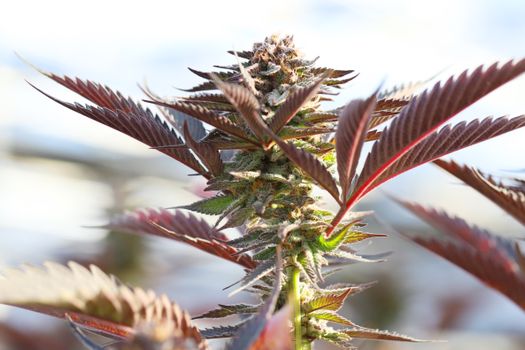
Detailed close-up of a vibrant cannabis plant with lush leaves in Salinas, CA. Photo: Cannafornia / Pexels
California has a long and storied history with cannabis, predating its modern legal framework. The state was a pioneer in the medical marijuana movement, becoming the first in the nation to legalize cannabis for medicinal purposes with the passage of Proposition 215, the Compassionate Use Act, in 1996. This landmark legislation allowed seriously ill Californians to obtain and use marijuana for medical treatment with a physician's recommendation, effectively carving out an exception to federal prohibition. While revolutionary at the time, Prop 215 left many questions unanswered regarding cultivation, distribution, and patient protections, leading to a patchwork of local ordinances and legal ambiguities. The lack of a comprehensive regulatory system created challenges for both patients and law enforcement, as the industry operated in a grey area for nearly two decades. Various attempts were made to refine the medical cannabis framework, culminating in the Medical Cannabis Regulation and Safety Act (MCRSA) in 2015, which aimed to establish a statewide licensing and regulatory scheme for commercial medical cannabis activity. MCRSA laid much of the groundwork for what would become the recreational market. Understanding this historical context is vital to grasping the current landscape of cannabis laws California. The transition from a loosely regulated medical market to a fully commercialized adult-use market was a monumental undertaking, requiring significant legislative effort and public discourse. The state's journey reflects a broader societal shift in attitudes towards cannabis, moving from prohibition to regulated access. This historical progression illustrates California's role as a trendsetter in cannabis policy, often influencing other states and even federal discussions. The initial focus on patient needs gradually expanded to include broader public access, driven by changing social norms and the recognition of potential economic benefits. The legal battles and public campaigns leading up to these legislative changes were intense, with advocates pushing for greater access and opponents raising concerns about public health and safety. The compromises and debates that shaped these laws are still evident in the current regulations, which attempt to balance various interests. The state's experience provides a valuable case study for other jurisdictions considering cannabis legalization, highlighting both the opportunities and the complexities involved in such a transition. This continuous evolution means staying informed about legislative updates is crucial for anyone involved with cannabis in California.

Recreational Cannabis Laws: What Adults Need to Know

A group of friends enjoying snacks and smoking indoors, capturing a relaxed atmosphere. Photo: Pavel Danilyuk / Pexels
In November 2016, California voters passed Proposition 64, the Adult Use of Marijuana Act (AUMA), which legalized recreational cannabis for adults 21 years of age and older. This groundbreaking legislation fundamentally reshaped cannabis laws California, establishing a comprehensive regulatory framework for the cultivation, manufacture, distribution, and sale of non-medical cannabis products. For individuals, the key provisions of AUMA relate to possession limits, cultivation rights, and consumption restrictions. Adults 21 and over are legally permitted to possess up to 28.5 grams (one ounce) of non-concentrated cannabis and up to 8 grams of concentrated cannabis. This includes edibles, vape cartridges, and other forms of processed cannabis. When it comes to home cultivation, individuals can grow up to six cannabis plants per residence, regardless of the number of adults living there. These plants must be grown in a locked, secure area out of public view. Local jurisdictions, however, retain the authority to enact more restrictive ordinances regarding cultivation, including banning outdoor grows or imposing additional permitting requirements, so it's crucial to check local rules. Public consumption of cannabis, whether smoking, vaping, or eating edibles, remains largely prohibited. This includes places where tobacco smoking is prohibited, schools, daycare centers, and youth centers. It's also illegal to consume cannabis within 1,000 feet of a school, unless in a private residence and out of public view. Driving under the influence of cannabis is strictly illegal, with penalties similar to those for alcohol-impaired driving. Open containers of cannabis are not allowed in vehicles, even if unopened, unless they are in the trunk or a sealed container inaccessible to the driver and passengers. The sale of recreational cannabis can only occur through licensed dispensaries, which are regulated by the state's Department of Cannabis Control (DCC). These dispensaries must comply with strict packaging, labeling, and testing requirements to ensure product safety and quality. Purchases are limited to the state-mandated possession amounts. Understanding these recreational consumption and purchase rules is essential for compliance.

Medical Cannabis Laws: Patient Rights and Protections
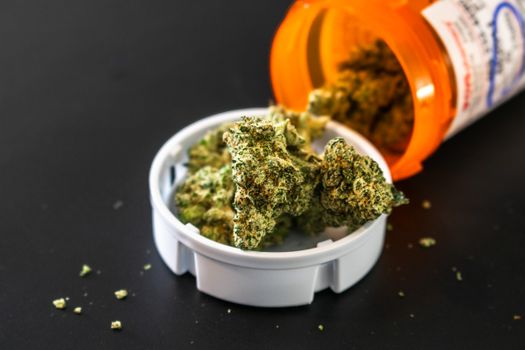
Close-up of medical cannabis spilling from an orange prescription bottle onto a surface. Photo: Terrance Barksdale / Pexels
While recreational cannabis is widely available, California maintains a distinct medical cannabis program under the Compassionate Use Act of 1996 (Prop 215) and the Medical and Adult-Use Cannabis Regulation and Safety Act (MAUCRSA). This dual system provides specific rights and protections for qualified patients and their primary caregivers that often exceed those available to recreational users. To qualify for medical cannabis, a patient must obtain a recommendation from a licensed physician for a debilitating medical condition, such as cancer, anorexia, AIDS, chronic pain, glaucoma, arthritis, migraine, or any other chronic or persistent medical symptom that substantially limits the ability of the person to conduct one or more major life activities. While not mandatory, obtaining a Medical Marijuana Identification Card (MMIC) from the California Department of Public Health (CDPH) is highly recommended. The MMIC provides an official state-issued identification that verifies a patient's status, offering enhanced legal protections against arrest and prosecution under state law. It also exempts patients from paying state sales tax on cannabis purchases, which can be a significant financial benefit. Medical cannabis patients generally have higher possession and cultivation limits than recreational users. While specific limits are often based on a doctor's recommendation, the default state limits allow for possession of up to eight ounces of dried cannabis and cultivation of up to twelve mature or twenty-four immature cannabis plants, unless the patient's physician recommends more. These limits are intended to ensure patients have sufficient access to their medicine. Medical cannabis dispensaries are also regulated, and some may specialize in products tailored to specific medical conditions. These facilities are required to adhere to stringent product testing and labeling standards, similar to recreational dispensaries, to ensure patient safety. It's important for patients to understand that while state laws protect their medical use, federal law still classifies cannabis as an illegal substance. This can create complexities, especially regarding employment, housing, and certain federal programs. Navigating these nuances requires careful attention to both state and federal guidelines. Patients should always carry their physician's recommendation or MMIC when possessing or transporting cannabis to demonstrate their legal status.

Common Mistakes and Misconceptions Regarding Cannabis Laws California
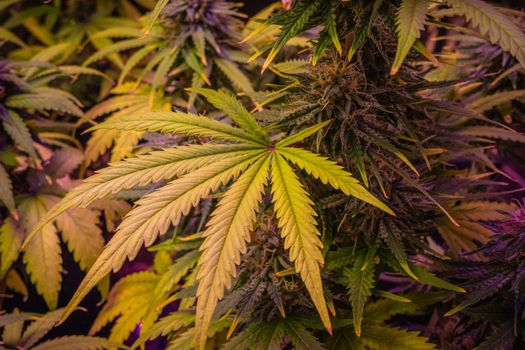
Close-up view of lush cannabis plants showcasing detailed leaves and buds. Photo: Keloke Grow / Pexels
Despite the broad legalization, many individuals still make critical mistakes or hold misconceptions about cannabis laws California. Avoiding these pitfalls is essential for staying compliant and safe. **1. Consuming in Public Places:** A common error is assuming that because cannabis is legal, it can be consumed anywhere. Public consumption (smoking, vaping, or eating edibles) is generally illegal. This includes parks, sidewalks, beaches, and even within 1,000 feet of schools, youth centers, or daycares. Always consume cannabis in private residences or licensed consumption lounges where permitted. **2. Driving Under the Influence (DUI):** Many mistakenly believe that a certain amount of time after consumption makes driving safe or legal. Driving while impaired by cannabis is a serious offense, carrying penalties similar to alcohol DUIs, including fines, license suspension, and potential jail time. There is no specific legal limit for THC in the bloodstream like there is for alcohol, making any impairment a risk. If you feel impaired, do not drive. **3. Transporting Cannabis Across State Lines:** California's cannabis laws apply only within its borders. Transporting any amount of cannabis across state lines, even to another state where it is legal, is a federal crime. This includes air travel and driving. Federal law still classifies cannabis as a Schedule I controlled substance. **4. Exceeding Possession or Cultivation Limits:** While generous, there are still limits. Possessing more than 28.5 grams of flower or 8 grams of concentrate, or growing more than six plants per household (without a medical recommendation for higher limits), can lead to legal consequences. Always be aware of your personal limits. **5. Purchasing from Unlicensed Sources:** The unregulated market poses significant health and safety risks. Products from unlicensed dealers may contain pesticides, heavy metals, or inaccurately labeled potency. Always purchase cannabis from licensed dispensaries, which are required to test their products for safety and quality. **6. Misunderstanding Local Ordinances:** California's state laws provide a baseline, but local jurisdictions (cities and counties) have the power to enact stricter regulations, especially concerning commercial cannabis activities, cultivation, and consumption. Always check local city and county websites for specific rules that may apply to you. **7. Assuming Federal Protection for Medical Use:** While California protects medical cannabis patients, federal law does not. This can impact federal employment, housing, and certain federal benefits. Be aware of the potential conflicts between state and federal law, especially if you work in a federally regulated industry. **8. Sharing or Selling to Minors:** Providing cannabis to anyone under 21 years of age, even small amounts, is a serious felony with severe penalties. Always verify age before sharing or selling cannabis. By understanding and avoiding these common mistakes, individuals can navigate cannabis laws California safely and legally, enjoying the benefits of legalization without facing unnecessary legal repercussions.

Comparison

FeatureRecreational (21+)Medical (Qualified Patients)Unlicensed Market (Illegal)
Purchase Age21+18+ (with doctor rec)Any age (illegal)
Possession Limit28.5g flower, 8g concentrate8oz flower (default, higher with rec)No legal limit (all illegal)
Home Cultivation6 plants/residence12 mature/24 immature (default, higher with rec)No legal cultivation (all illegal)
Sales Tax Exemption✓ (with MMIC)
Product SafetyLab Tested, RegulatedLab Tested, RegulatedUntested, Unregulated

What Readers Say

"This guide clarified so many questions I had about cannabis laws in California. I now feel much more confident about what I can and cannot do legally. The historical context was especially insightful."

Sarah J. · Los Angeles, CA

"As a medical patient, understanding the specific protections and benefits for MMIC holders was crucial. This article laid out the differences between medical and recreational use perfectly."

Mark D. · San Francisco, CA

"The section on common mistakes was a real eye-opener. I've definitely made some assumptions about public consumption that I now realize were incorrect, helping me stay compliant."

Jessica L. · San Diego, CA

"Very comprehensive, though a bit dense in parts. Still, it's an invaluable resource for anyone trying to navigate the complexities of cannabis laws in California, especially the local ordinance aspect."

David P. · Sacramento, CA

"I moved to California recently and was totally lost on the cannabis rules. This article explained everything from recreational limits to medical patient rights clearly and concisely. Highly recommend!"

Emily R. · Oakland, CA

Frequently Asked Questions

What are the current possession limits for recreational cannabis in California?

For recreational users aged 21 and over, the current possession limits in California are 28.5 grams (one ounce) of non-concentrated cannabis and 8 grams of concentrated cannabis. It is important to adhere to these limits to avoid legal penalties.

Can I grow cannabis at home in California?

Yes, adults 21 and over can cultivate up to six cannabis plants per residence for personal use. These plants must be grown in a locked, secure area, out of public view. Local jurisdictions may impose additional restrictions, so always check your local city and county ordinances.

Is it legal to consume cannabis in public places in California?

No, public consumption of cannabis is generally prohibited throughout California. This includes smoking, vaping, or eating edibles in public parks, sidewalks, beaches, and anywhere tobacco smoking is forbidden. Consumption should be limited to private residences or licensed consumption lounges.

What is the difference between medical and recreational cannabis laws in California?

While both are legal, medical cannabis laws (for qualified patients with a physician's recommendation) often allow for higher possession and cultivation limits, exemption from sales tax (with an MMIC), and access for individuals 18 and older. Recreational use is strictly for adults 21 and over with standard limits.

How do California's cannabis laws compare to federal laws?

California has legalized cannabis for both medical and recreational use, but it remains federally illegal. This means that transporting cannabis across state lines, even to another legal state, is a federal crime. Federal laws can also impact employment and housing for cannabis users, even in California.

Who should be most concerned about understanding cannabis laws California?

Anyone living in or visiting California who intends to use, possess, or cultivate cannabis should have a thorough understanding of these laws. This includes recreational consumers, medical patients, cannabis business owners, and even landlords or employers who may be affected by the regulations. Compliance is key to avoiding legal issues.

Are there any health or safety risks associated with legal cannabis in California?

While regulated products from licensed dispensaries undergo rigorous testing for pesticides, heavy metals, and potency, responsible use is still crucial. Overconsumption, especially with edibles, can lead to adverse effects. Driving under the influence poses significant risks to public safety, and cannabis use can have different impacts on individuals' health depending on pre-existing conditions.

What future changes might we see in cannabis laws California?

Cannabis laws in California are continuously evolving. Future changes could include further refinement of local control, adjustments to tax structures, potential expansion of consumption lounges, and ongoing efforts to address social equity in the cannabis industry. Federal rescheduling or legalization would also significantly impact California's framework.

Navigating the landscape of cannabis laws California can seem daunting, but with this comprehensive guide, you're empowered to make informed decisions. Stay compliant, stay safe, and enjoy the benefits of California's progressive cannabis policies responsibly.

Topics: cannabis laws CaliforniaCalifornia marijuana lawsrecreational cannabis Californiamedical marijuana Californiacannabis regulations CA
Leo List

IE Escorts NO Escorts US Escorts NZ Escorts AU Escorts
Brampton weed
Adultwork EstrelaBet Vai de Bet R7 Bet Betão Galera Bet Rainbet Bet9ja Shop SportyBet BetKing Sisal Loto Foot Hollywoodbets YesPlay Odibets RushBet Jugabet BetWarrior BetCity MSport betPawa Fortebet