✓ California has legalized both medical and recreational cannabis for adults 21 and over.
✓ Many cannabis users report anxiety reduction as a primary benefit, though individual responses vary.
✓ CBD is often favored for anxiety due to its non-intoxicating nature and anxiolytic properties.
✓ Understanding strain types (Indica, Sativa, Hybrid) and cannabinoid ratios (THC:CBD) is crucial for effective use.
✓ Consulting with a healthcare professional is recommended before using cannabis for anxiety.
How It Works
1
Understand California's Legal Landscape
Familiarize yourself with Proposition 64 and medical cannabis laws. This ensures you purchase and consume legally and safely within the state.
2
Educate Yourself on Cannabinoids & Terpenes
Learn about THC, CBD, and other compounds like terpenes (e.g., Linalool, Myrcene) that influence cannabis's effects. This knowledge empowers you to make informed choices for anxiety management.
3
Choose the Right Product & Delivery Method
Select products based on desired effects (e.g., high CBD for mild anxiety, balanced THC/CBD for moderate). Consider edibles for prolonged effects or vapes for quick onset, always starting with low doses.
4
Consult a Professional & Start Low, Go Slow
Seek advice from a doctor or a knowledgeable dispensary consultant to personalize your approach. Begin with a very small dose and gradually increase until you find the optimal amount for your anxiety.
Navigating California's Cannabis Landscape for Anxiety Relief
Photo: RDNE Stock project / Pexels
California stands as a beacon of progressive cannabis legislation, offering both medical and recreational access to adults aged 21 and over. This robust legal framework, established through Proposition 64, has opened doors for countless individuals seeking alternative or complementary approaches to managing various health concerns, with anxiety being a prominent one. The sheer variety of cannabis products available in the Golden State can be both exciting and overwhelming for those new to its therapeutic potential, especially when specifically targeting anxiety. Understanding the nuances of California's market, from licensed dispensaries to product testing regulations, is the first critical step in safely and effectively exploring cannabis for anxiety relief.
For many Californians, the traditional pharmaceutical route for anxiety management can come with undesirable side effects or simply not provide the desired level of relief. This has led to a growing interest in natural alternatives, and cannabis, with its complex array of cannabinoids and terpenes, presents a compelling option. However, it's not as simple as picking up any product and expecting a positive outcome. The key lies in informed decision-making, which starts with appreciating the legal safeguards in place. California's Bureau of Cannabis Control (BCC) ensures that all legal cannabis products are rigorously tested for potency, pesticides, heavy metals, and other contaminants, providing a level of consumer protection unparalleled in many other regions. This stringent testing is particularly vital for individuals with anxiety, as purity and consistent dosing are paramount for predictable effects and avoiding unwanted reactions.
When considering cannabis for anxiety in California, it's essential to recognize that the plant's effects are highly individualized. What works wonders for one person might not be suitable for another. This variability is largely due to our unique endocannabinoid systems, which interact with the compounds in cannabis. Furthermore, the specific profile of a cannabis product – its cannabinoid ratios (THC, CBD, CBG, etc.) and terpene composition – plays a significant role in its therapeutic outcome. Dispensaries in California are typically staffed with knowledgeable budtenders who can guide consumers through the extensive product offerings, helping them decipher labels and understand the potential effects of different strains and product types. However, this guidance should complement, not replace, personal research and, ideally, consultation with a healthcare professional who understands your specific health profile and anxiety triggers. The journey to finding effective anxiety relief with cannabis is often one of careful experimentation and self-awareness, always within the safe and legal parameters established by California law. Embracing this informed approach will significantly enhance your chances of a positive experience when exploring cannabis for anxiety in California.
Understanding Cannabinoids and Terpenes for Anxiety Management
Photo: Keloke Grow / Pexels
The therapeutic potential of cannabis for anxiety stems from its rich biochemical composition, primarily cannabinoids and terpenes. These compounds interact synergistically, a phenomenon often referred to as the 'entourage effect,' to produce the plant's diverse effects. For individuals exploring cannabis for anxiety in California, a basic understanding of these components is foundational to selecting the most appropriate products. The two most well-known cannabinoids are Tetrahydrocannabinol (THC) and Cannabidiol (CBD), each with distinct properties that can influence anxiety levels.
THC is the primary psychoactive compound in cannabis, responsible for the 'high' sensation. While low doses of THC can be anxiolytic (anxiety-reducing) for some, higher doses or certain strains can paradoxically induce or exacerbate anxiety and paranoia in others. This dose-dependent effect is crucial to acknowledge. For anxiety, many users in California gravitate towards products with lower THC content or balanced THC:CBD ratios. CBD, on the other hand, is non-intoxicating and has garnered significant attention for its potential anxiolytic, anti-inflammatory, and neuroprotective properties. Research suggests CBD may help reduce anxiety by interacting with serotonin receptors in the brain, similar to some antidepressant medications, and by moderating the psychoactive effects of THC. Therefore, products with a higher CBD content, or those that are CBD-dominant, are frequently recommended for anxiety sufferers, particularly those who wish to avoid the intoxicating effects of THC.
Beyond THC and CBD, other minor cannabinoids like Cannabigerol (CBG) and Cannabinol (CBN) are also being investigated for their potential therapeutic benefits, including anti-anxiety effects. However, it's not just cannabinoids that matter; terpenes, the aromatic compounds that give cannabis its distinctive smells and flavors, also play a vital role. Terpenes like Myrcene (found in mangoes and hops) are often associated with sedative effects, while Linalool (found in lavender) is known for its calming and anti-anxiety properties. Limonene (citrus scent) can be uplifting, and Caryophyllene (spicy, peppery) is unique in its ability to interact with cannabinoid receptors, potentially offering anti-inflammatory and anxiolytic effects without psychoactivity.
When purchasing cannabis for anxiety in California, product labels will typically list the cannabinoid percentages and, increasingly, the terpene profiles. Learning to interpret these labels will empower you to make more informed choices. For instance, if you find that strains high in Linalool help calm your nerves, you can actively seek out products that highlight this terpene. Conversely, if high THC strains tend to make your anxiety worse, opting for CBD-rich or balanced products becomes a clear strategy. This personalized approach, guided by an understanding of these key compounds, is essential for effectively harnessing the therapeutic potential of cannabis for anxiety management.
Choosing the Right Cannabis Products and Delivery Methods for Anxiety
Photo: Elsa Olofsson / Pexels
With a foundational understanding of California's legal framework and the science behind cannabinoids and terpenes, the next critical step for managing anxiety is selecting the right cannabis products and delivery methods. The market in California is incredibly diverse, offering everything from traditional flower to advanced concentrates and edibles. Each product type and method of consumption has unique characteristics regarding onset time, duration of effects, and overall user experience, all of which are crucial considerations when targeting anxiety relief.
**Flower (Inhalable):** Smoking or vaporizing cannabis flower provides the quickest onset of effects, typically within minutes. This rapid action can be beneficial for acute anxiety attacks or moments when immediate relief is needed. However, the effects also tend to dissipate faster than other methods. When choosing flower for anxiety, look for strains labeled as Indica-dominant or balanced hybrids, which are often associated with calming and relaxing effects. Pay attention to the THC:CBD ratio; many find that strains with higher CBD content or a balanced 1:1 ratio are more effective for anxiety without inducing excessive psychoactivity. Vaporizing is often preferred over smoking due to its potentially gentler impact on the respiratory system and more efficient cannabinoid delivery.
**Edibles:** Cannabis edibles offer a discreet and long-lasting method of consumption. The effects typically take 30 minutes to 2 hours to manifest, as the cannabinoids must be digested and metabolized by the liver. Once they kick in, the effects can last for several hours, making edibles suitable for sustained anxiety relief, such as managing chronic anxiety throughout the day or aiding with sleep-related anxiety. The primary challenge with edibles is accurate dosing and the delayed onset, which can sometimes lead to accidental overconsumption. Always start with a very low dose (e.g., 2.5mg-5mg THC) and wait at least two hours before considering more. Many edibles are also available in CBD-dominant or balanced THC:CBD formulations, which are often preferred for anxiety to mitigate potential overwhelming effects of high THC.
**Tinctures and Oils:** These liquid extracts are administered sublingually (under the tongue) or can be added to food and drinks. Sublingual administration allows for relatively quick absorption into the bloodstream, with effects usually felt within 15-45 minutes. Tinctures offer precise dosing, making it easier to control your intake, which is a significant advantage for anxiety management. They also allow for flexible cannabinoid ratios, with many products specifically formulated with high CBD or balanced THC:CBD for anxiety. Their discreet nature and ease of use make them a popular choice for consistent, measured relief.
**Topicals:** Cannabis-infused topicals (creams, balms, salves) are applied directly to the skin. These products are generally non-psychoactive as cannabinoids do not typically enter the bloodstream in significant amounts. While they might not directly address systemic anxiety, they can be useful for localized tension or discomfort that might contribute to overall stress or anxiety. For instance, applying a topical to tense neck muscles can provide physical relief that indirectly helps calm the mind.
When exploring cannabis for anxiety in California, it's crucial to remember the 'start low, go slow' mantra, regardless of the product or method. Your individual response will dictate what works best. Consulting with a knowledgeable budtender at a licensed California dispensary can provide personalized recommendations based on your desired effects and tolerance levels, helping you navigate the options effectively.
Best Practices and Potential Pitfalls of Using Cannabis for Anxiety
Photo: Los Muertos Crew / Pexels
While cannabis offers promising avenues for anxiety relief in California, approaching its use with a strategic mindset is paramount to maximizing benefits and minimizing potential drawbacks. Establishing best practices and being aware of common pitfalls can significantly enhance your experience and help you find sustainable relief. The goal is to cultivate a relationship with cannabis that is informed, responsible, and ultimately therapeutic.
**Best Practices for Anxiety Relief:**
* **Consult a Healthcare Professional:** Before incorporating cannabis into your anxiety management plan, especially if you are on other medications or have underlying health conditions, consult with a doctor. While many physicians are still learning about cannabis, some are knowledgeable and can offer guidance on interactions or suitability. Many integrative medicine practitioners in California are open to discussing cannabis as a therapeutic option.
* **Start Low, Go Slow:** This cannot be emphasized enough. Begin with the lowest possible dose, especially with THC-containing products, and gradually increase it over time until you find your therapeutic window. This approach helps prevent overconsumption and adverse reactions like increased anxiety or paranoia.
* **Keep a Journal:** Documenting your cannabis use can be incredibly insightful. Note the product (strain, cannabinoid profile, terpenes), dosage, method of consumption, time of day, and, most importantly, the effects on your anxiety levels. This journal will help you identify what works best for your unique physiology.
* **Choose Reputable Sources:** Always purchase cannabis products from licensed dispensaries in California. This ensures products are tested for potency and contaminants, guaranteeing safety and reliability.
* **Consider CBD-Dominant or Balanced Products:** For many dealing with anxiety, products with higher CBD content or a balanced 1:1 THC:CBD ratio are often more effective. CBD's non-intoxicating nature and anxiolytic properties can provide relief without the potential for heightened anxiety that high THC might induce.
* **Mindful Consumption:** Use cannabis in a calm, safe environment. Avoid situations that might already trigger anxiety. Focusing on the present moment and your body's sensations can enhance the therapeutic effect.
**Potential Pitfalls to Avoid:**
* **Overconsumption of THC:** The most common mistake is taking too much THC, which can lead to increased anxiety, paranoia, rapid heart rate, and disorientation. Always respect the potency of the product.
* **Ignoring Individual Variability:** What works for a friend might not work for you. Avoid comparing your experience to others and focus on finding what genuinely helps your specific anxiety.
* **Self-Medicating Without Information:** Using cannabis without understanding its compounds, dosages, and effects can lead to inconsistent or negative results. Education is your most powerful tool.
* **Developing Tolerance or Dependence:** Regular, high-dose use of THC can lead to tolerance, requiring more to achieve the same effects. While less common with CBD, it's wise to practice responsible use and consider breaks if you notice diminishing returns.
* **Ignoring the 'Why':** Cannabis can be a tool, but it's not a cure-all. It's important to continue addressing the root causes of your anxiety through therapy, lifestyle changes, and other medical interventions if necessary. Cannabis should ideally complement a holistic anxiety management plan, not replace it entirely.
By adhering to these best practices and being mindful of potential pitfalls, individuals in California can leverage the benefits of cannabis for anxiety more effectively and safely. The journey is personal, but with informed choices, it can lead to significant improvements in quality of life.
Comparison
Feature
CBD-Dominant Products
Balanced THC:CBD Products
THC-Dominant Products
Psychoactivity
Minimal to none
Mild, manageable
Strong, intoxicating
Anxiety Relief Potential
High, consistent
Moderate to High
Variable (low dose good, high dose bad)
Onset Time
Varies by delivery
Varies by delivery
Varies by delivery
Duration of Effects
Longer (edibles, tinctures)
Moderate to Long
Moderate
Risk of Paranoia/Anxiety
Low
Low to Moderate (dose-dependent)
High (especially high doses)
Legal Status (CA)
Legal
Legal
Legal
What Readers Say
★★★★★
"Finding the right cannabis for my anxiety in California has been life-changing. A low-dose CBD tincture really calms my racing thoughts without any psychoactive effects. I finally feel more present."
Sarah J. · Los Angeles, CA
★★★★★
"I used to have terrible social anxiety. A balanced 1:1 THC:CBD vape cartridge from my local California dispensary helps me feel more at ease in social situations, allowing me to connect with people again."
Mark D. · San Francisco, CA
★★★★★
"After years of struggling with insomnia due to anxiety, a small THC edible (2.5mg) before bed has transformed my nights. I wake up feeling rested and less anxious, a direct result of proper sleep."
Emily R. · San Diego, CA
★★★★★
"Cannabis has been helpful for my general anxiety, but I've learned that too much THC can actually make it worse. Sticking to indica strains with a good terpene profile has been key, but it took some trial and error."
David L. · Oakland, CA
★★★★★
"As a busy professional, managing stress is crucial. I use a CBD topical on my shoulders and neck, which often hold tension from anxiety. It provides localized relief that helps me unwind after a long day."
Jessica T. · Sacramento, CA
Frequently Asked Questions
Is cannabis for anxiety legal in California?
Yes, both medical and recreational cannabis are legal in California for adults 21 and over. You can purchase products from licensed dispensaries with a valid ID. However, there are regulations regarding possession limits and public consumption.
Will cannabis make my anxiety worse?
While low doses of certain cannabis products, especially those high in CBD, can reduce anxiety, high doses of THC can sometimes trigger or worsen anxiety and paranoia in some individuals. It's crucial to start with a very low dose and gradually increase it, paying attention to your body's response.
How do I choose the right strain or product for anxiety?
Focus on products with high CBD content, balanced THC:CBD ratios (e.g., 1:1), or Indica-dominant strains known for calming effects. Pay attention to terpene profiles (e.g., Linalool, Myrcene). Consulting with a knowledgeable budtender at a licensed dispensary in California can provide personalized recommendations.
What is the typical cost of cannabis for anxiety in California?
The cost varies widely based on product type, potency, brand, and dispensary. Flower can range from $20-$60 per eighth, edibles from $10-$30, and tinctures/vapes from $30-$80+. It's an investment in your well-being, so consider quality and safety over just price.
How does cannabis compare to traditional anxiety medications?
Cannabis offers an alternative with a different mechanism of action and side effect profile. Unlike some pharmaceuticals, cannabis may not have the same risk of physical dependence or severe withdrawal for many users, particularly with CBD. However, it's essential to discuss cannabis use with your doctor, especially if you are taking prescription anxiety medication, to avoid potential interactions.
Who should avoid using cannabis for anxiety?
Individuals with a history of psychosis, heart conditions, or pregnant/nursing women should generally avoid cannabis or use it only under strict medical supervision. Anyone with a personal or family history of substance abuse should also exercise caution and seek professional advice before use.
Are there any risks associated with using cannabis for anxiety?
Risks include potential for increased anxiety/paranoia (especially with high THC), impaired cognitive function, dry mouth, red eyes, and short-term memory impairment. Long-term risks are still being studied but may include respiratory issues with smoking and potential for dependence in some individuals. Always use responsibly and in moderation.
What are the future trends for cannabis and anxiety treatment in California?
Expect continued research into specific cannabinoid and terpene combinations for anxiety, more sophisticated product formulations, and increased integration of cannabis into holistic wellness plans. Personalization based on genetic profiling and advanced delivery methods are also emerging trends, offering more tailored and effective anxiety solutions.
Embrace the potential of cannabis for anxiety in California responsibly and effectively. By educating yourself and making informed choices, you can navigate the diverse market to find the relief you deserve. Start your journey towards a calmer, more balanced life today.

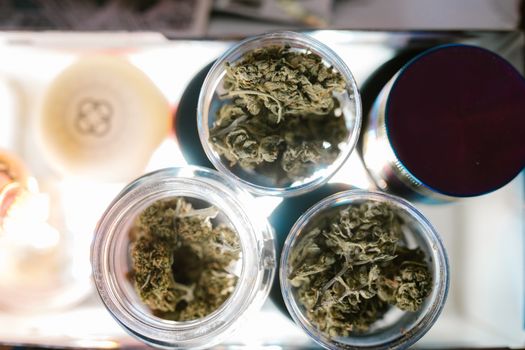 Photo: RDNE Stock project / Pexels
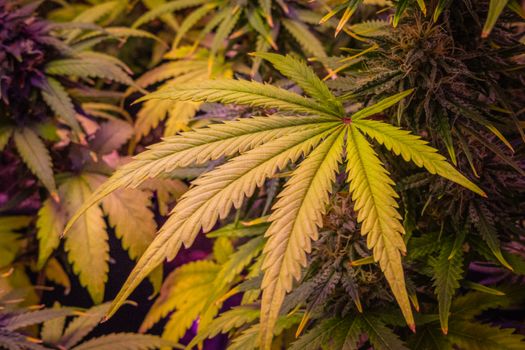 Photo: Keloke Grow / Pexels
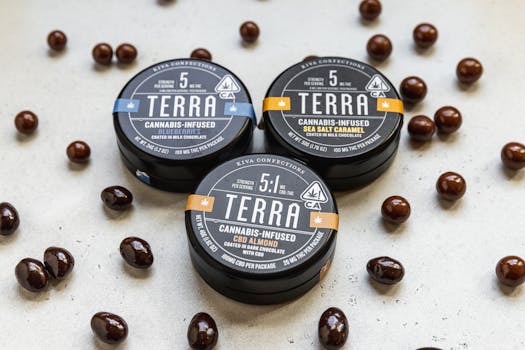 Photo: Elsa Olofsson / Pexels
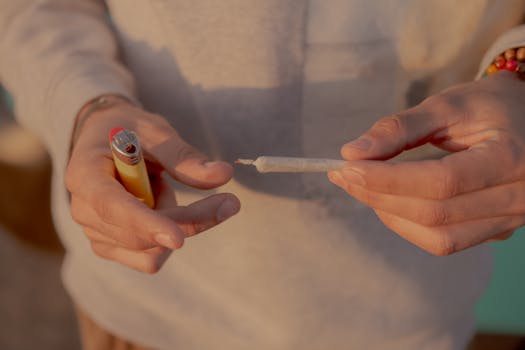 Photo: Los Muertos Crew / Pexels