Unlocking Cannabis Effects and Benefits in Canada
cannabis effects and benefits

Unlocking Cannabis Effects and Benefits in Canada

Discover the comprehensive range of cannabis effects and benefits, guiding your informed choices in the Canadian landscape.

Explore Now

Key Takeaways

  • ✓ Cannabis contains hundreds of compounds, primarily cannabinoids like THC and CBD, interacting with the body's endocannabinoid system.
  • ✓ Medical cannabis is legally accessible in Canada for various conditions, requiring authorization from a healthcare professional.
  • ✓ Recreational cannabis is legal across Canada for adults, with provincial regulations governing purchase and consumption.
  • ✓ Potential benefits include pain relief, anxiety reduction, improved sleep, and anti-inflammatory properties.
  • ✓ Effects vary significantly based on strain, dosage, consumption method, and individual physiology.

How It Works

1
Understanding Cannabinoids

Cannabis contains over 100 cannabinoids, with Tetrahydrocannabinol (THC) and Cannabidiol (CBD) being the most well-known. These compounds interact with receptors in your body.

2
Interacting with the ECS

The endocannabinoid system (ECS) is a complex cell-signaling system in your body involved in regulating various functions. Cannabinoids bind to cannabinoid receptors (CB1 and CB2) within this system.

3
Modulating Body Functions

This interaction can influence pain sensation, mood, appetite, memory, and sleep, leading to the diverse effects experienced. The specific effects depend on which receptors are activated and to what extent.

4
Personalized Response

Your unique biology, tolerance levels, and the specific cannabis product (strain, potency, terpenes) all contribute to how you will respond. Starting low and going slow is key to finding your optimal experience.

The Science Behind Cannabis Effects: Understanding Cannabinoids and the ECS
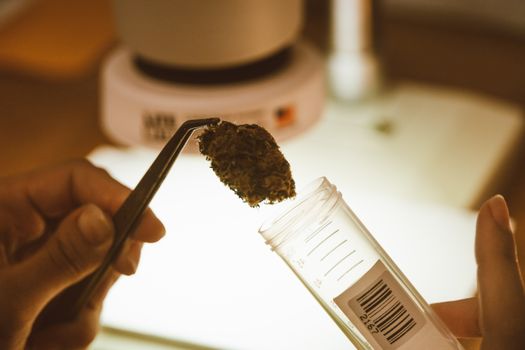
Detailed view of cannabis being prepared in a lab, focusing on analysis. Photo: Jess Loiterton / Pexels
To truly appreciate the wide spectrum of cannabis effects and benefits, it's crucial to delve into the fascinating science underpinning its interaction with the human body. At the heart of cannabis's influence are compounds called cannabinoids, with Tetrahydrocannabinol (THC) and Cannabidiol (CBD) being the most prominent and well-researched. However, the plant contains over a hundred other cannabinoids, along with terpenes and flavonoids, all contributing to what's known as the 'entourage effect.' This theory suggests that these compounds work synergistically to enhance the plant's therapeutic properties and modify its overall effects, rather than acting in isolation. The primary mechanism through which cannabis exerts its effects is by interacting with the body's endocannabinoid system (ECS). Discovered in the early 1990s, the ECS is a complex cell-signaling system present in all mammals. It plays a vital role in regulating a vast array of physiological processes, including mood, sleep, appetite, pain sensation, memory, and immune function. The ECS is composed of three main components: endocannabinoids (cannabinoids produced naturally by the body), cannabinoid receptors (CB1 and CB2), and enzymes that break down endocannabinoids. THC, the psychoactive compound in cannabis, primarily binds to CB1 receptors, which are abundantly found in the brain and central nervous system. This binding is responsible for the euphoric 'high' associated with cannabis use, as well as its potential for pain relief, appetite stimulation, and anti-nausea effects. CBD, on the other hand, has a more indirect interaction with the ECS. It doesn't bind strongly to either CB1 or CB2 receptors but instead influences them in other ways, such as inhibiting the enzymes that break down endocannabinoids, thereby increasing their levels. CBD is also known to interact with other non-cannabinoid receptors, contributing to its diverse therapeutic profile, which includes anti-inflammatory, anxiolytic, and anti-seizure properties. Understanding the intricate dance between these compounds and your ECS is foundational to navigating the complex world of cannabis and harnessing its potential benefits responsibly. The specific ratio of THC to CBD, along with the presence of various terpenes, dictates the unique profile of each cannabis strain and, consequently, the experience it delivers. This complex interplay is why different strains can produce vastly different effects, even at similar potencies. Further research continues to uncover the nuances of these interactions, paving the way for more targeted and personalized cannabis therapies.

Medical Applications of Cannabis in Canada: A Therapeutic Overview

Two friends relaxing on a sofa, smoking indoors with atmospheric lighting. Photo: Pavel Danilyuk / Pexels
For many Canadians, cannabis is more than just a recreational substance; it's a vital component of their healthcare regimen. The medical cannabis program in Canada has evolved significantly, allowing patients with specific conditions to access cannabis under the guidance of a healthcare practitioner. The therapeutic potential of cannabis is vast, extending to a multitude of chronic and debilitating conditions. One of the most well-documented benefits is its efficacy in chronic pain management. Cannabis, particularly strains rich in THC and CBD, can help alleviate neuropathic pain, inflammatory pain, and even the intractable pain associated with conditions like multiple sclerosis or cancer. Its analgesic properties offer an alternative or complementary option to traditional painkillers, often with fewer severe side effects. Beyond pain, cannabis has shown promising results in managing spasticity associated with neurological disorders such as multiple sclerosis and spinal cord injury. The muscle-relaxing properties of certain cannabinoids can significantly improve quality of life for these patients. Furthermore, cannabis is frequently used to combat nausea and vomiting, particularly in chemotherapy patients, where conventional antiemetics may not be sufficient. Its ability to stimulate appetite, often referred to as 'the munchies,' is also beneficial for patients suffering from wasting syndrome due to cancer, AIDS, or other severe illnesses. Mental health is another area where cannabis demonstrates therapeutic promise. While high-THC strains can exacerbate anxiety in some individuals, CBD-rich products are increasingly being explored for their anxiolytic (anxiety-reducing) and antidepressant effects. Many patients report using cannabis to manage symptoms of generalized anxiety disorder, PTSD, and even insomnia, finding that it helps promote relaxation and improve sleep quality. The anti-inflammatory properties of cannabinoids are also being investigated for their potential role in managing inflammatory bowel diseases, arthritis, and other autoimmune conditions. The legal framework in Canada ensures that patients can access a wide range of products, from dried flower to oils, edibles, and topical creams, allowing for personalized treatment approaches. However, it's crucial for patients to consult with a healthcare professional to determine the appropriate strain, dosage, and consumption method, as the effects of cannabis can vary greatly depending on these factors. Ongoing research continues to uncover new medical applications, solidifying cannabis's role in modern medicine.

Navigating Recreational Cannabis Use: Enjoying Effects Responsibly in Canada
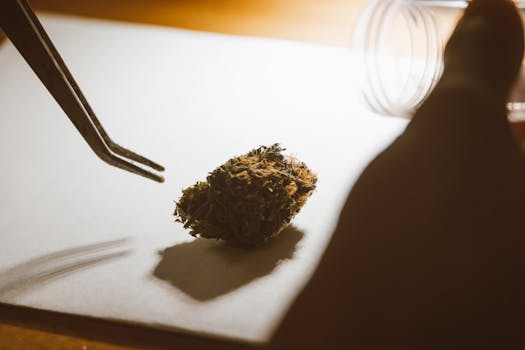
Macro shot of a cannabis bud on paper held by tweezers in warm lighting. Photo: Jess Loiterton / Pexels
Canada's pioneering step in legalizing recreational cannabis has opened up a new frontier for adult consumers, offering a diverse range of products and experiences. While the medical benefits are profound, recreational users primarily seek the altered states of consciousness, relaxation, and enhanced sensory perception that cannabis can provide. The effects of recreational cannabis are highly varied and depend heavily on the strain's cannabinoid and terpene profile, the method of consumption, and individual tolerance. THC-dominant strains are typically sought after for their euphoric and psychoactive effects, which can include heightened mood, altered perception of time, increased creativity, and deep relaxation. Many users enjoy cannabis for social occasions, finding it enhances conversations and shared experiences, while others prefer it for solitary activities like listening to music, watching movies, or engaging in creative pursuits. Consumption methods play a significant role in the onset and duration of effects. Smoking or vaping cannabis flower or concentrates leads to rapid onset, often within minutes, with effects peaking within 30 minutes to an hour and lasting for a few hours. This quick onset allows for easier titration – adjusting the dose until the desired effect is achieved. Edibles, on the other hand, have a much delayed onset, typically taking 30 minutes to two hours to kick in, but their effects can be more intense and last considerably longer, often for six to eight hours or more. This delayed onset necessitates a cautious approach, often referred to as 'start low, go slow,' to avoid overconsumption and potential discomfort. Responsible recreational use in Canada also means adhering to provincial regulations regarding purchase, possession, and public consumption. Each province and territory has its own set of rules concerning legal age, possession limits, and where cannabis can be consumed. Understanding these regulations is crucial to enjoying cannabis safely and legally. Furthermore, users should be mindful of potential side effects, which can include dry mouth, red eyes, impaired short-term memory, increased heart rate, and in some individuals, anxiety or paranoia, especially with high doses of THC. Choosing products with a balanced THC:CBD ratio or higher CBD content can help mitigate some of these less desirable effects. As the market matures, consumers have access to an ever-growing selection of strains, pre-rolls, edibles, beverages, and concentrates, allowing for a personalized approach to recreational enjoyment. Education and responsible choices are paramount to ensuring a positive and safe experience with recreational cannabis in Canada.

Maximizing Your Cannabis Experience: Tips for Safe and Effective Use
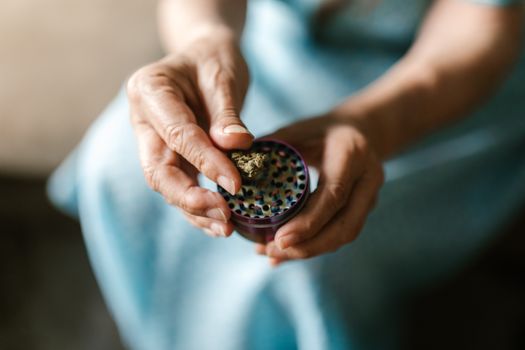
A close-up image showing hands using a weed grinder with cannabis. Photo: RDNE Stock project / Pexels
Navigating the world of cannabis, whether for medical or recreational purposes, requires a thoughtful and informed approach to maximize its benefits and minimize potential downsides. Here are essential tips for safe and effective use: * **Know Your Product:** Understand the cannabinoid profile (THC, CBD, other cannabinoids) and terpene content of your chosen strain or product. THC potency dictates psychoactive intensity, while CBD can modulate THC's effects. Terpenes contribute to aroma, flavor, and subtle effects. * **Start Low, Go Slow:** This golden rule is especially critical for edibles. Begin with a very small dose (e.g., 2.5mg THC for edibles, 1-2 puffs for inhaled products) and wait to assess the effects before considering more. It can take up to two hours for edibles to take full effect. * **Choose the Right Consumption Method:** Inhaling (smoking, vaping) offers rapid onset and shorter duration, allowing for easier dosage control. Ingesting (edibles, oils) has a delayed onset but longer, often more intense effects. Topicals provide localized relief without psychoactivity. * **Consider Your Environment and Mindset:** Your surroundings and emotional state can significantly influence your cannabis experience. Opt for a comfortable, safe environment, especially when trying new products or higher doses. A positive mindset can lead to a more positive experience. * **Stay Hydrated and Have Snacks:** Dry mouth (cottonmouth) is a common side effect. Keep water handy. Having some snacks can also be pleasant and help if you feel overly high. * **Avoid Mixing with Other Substances:** Combining cannabis with alcohol or other drugs can amplify effects and lead to unpredictable or undesirable outcomes. Exercise caution. * **Store Safely:** Keep cannabis products in child-proof containers, out of reach of children and pets. Store in a cool, dark place to preserve potency and freshness. * **Understand Legal Limits:** Be aware of provincial and territorial regulations regarding possession limits, public consumption, and driving under the influence. Never drive or operate heavy machinery after consuming cannabis. * **Listen to Your Body:** Pay attention to how cannabis affects you. Everyone's endocannabinoid system is unique, so what works for one person may not work for another. Adjust your dosage and product choice accordingly. * **Consult a Professional:** If using cannabis for medical conditions, always consult with a healthcare practitioner. They can provide personalized guidance and ensure it doesn't interact negatively with other medications.

Comparison

FeatureTHC-Dominant StrainsCBD-Dominant StrainsBalanced (THC:CBD)
Psychoactive EffectStrong 'high'Minimal to noneMild to moderate 'high'
Pain ReliefExcellent (neuropathic, chronic)Good (inflammatory, general)Very good (broad spectrum)
Anxiety ReductionCan increase in someExcellentGood, with less risk of anxiety
Sleep AidOften effective, can be sedatingGood for relaxation, non-sedatingEffective, promotes restful sleep
Anti-inflammatory
Appetite StimulationStrongMinimalModerate

What Readers Say

"As someone with chronic back pain, finding the right cannabis strain has been life-changing. The cannabis effects and benefits I experience include significant pain reduction and improved sleep, allowing me to finally get a full night's rest without discomfort."

Sarah J. · Vancouver, BC

"I was skeptical about cannabis, but a low-dose CBD oil has truly helped manage my anxiety. The calming cannabis effects and benefits are noticeable without any psychoactive feeling, which is exactly what I needed to relax after a stressful day."

Mark L. · Toronto, ON

"Exploring the recreational cannabis effects and benefits has been a fun journey. I've found certain sativa strains really boost my creativity for art projects, and the social aspect with friends is always enhanced. It's about finding what works for you."

Emily R. · Calgary, AB

"While the pain relief from cannabis is excellent, some strains can make me a bit too sleepy during the day. I'm learning to differentiate between evening and daytime use based on the specific cannabis effects and benefits each product offers."

David P. · Montreal, QC

"For my severe nausea from medication, nothing works quite like cannabis. The anti-nausea cannabis effects and benefits are immediate and profound, allowing me to maintain my appetite and overall well-being. Truly a medical marvel for me."

Jessica M. · Halifax, NS

Frequently Asked Questions

What are the primary cannabis effects and benefits?

The primary cannabis effects include relaxation, euphoria, altered perception, and increased appetite. Benefits often cited are pain relief, reduced anxiety, improved sleep, anti-inflammatory properties, and appetite stimulation, varying greatly by individual and product type.

Is cannabis safe to use?

When used responsibly and in moderation, cannabis can be relatively safe. However, potential risks include impaired cognitive function, dependency, and adverse mental health effects in susceptible individuals. It's crucial to understand your tolerance and consult a doctor if you have underlying health conditions.

How do I choose the right cannabis product for me?

Choosing the right product involves understanding your desired effects and tolerance. Consider the THC:CBD ratio, terpene profile, and consumption method. Starting with low doses of CBD-rich or balanced products is often recommended for beginners to gauge individual response.

How much does cannabis cost in Canada?

The cost of cannabis in Canada varies significantly based on product type (flower, edibles, oils), potency, brand, and provincial retail pricing. Dried flower can range from $5-$15+ per gram, while edibles and oils have diverse price points. Online provincial retailers or licensed dispensaries provide current pricing.

How do cannabis effects compare to alcohol?

Cannabis effects differ from alcohol. While both can alter perception and judgment, cannabis tends to induce relaxation, euphoria, and altered sensory perception, whereas alcohol often leads to disinhibition and impaired motor skills. Cannabis generally has a lower risk of physical harm and overdose compared to alcohol.

Who should consider using cannabis for its benefits?

Individuals suffering from chronic pain, anxiety, insomnia, nausea, or appetite loss, particularly those who haven't found relief with conventional treatments, might consider cannabis for its benefits. It's essential to consult with a healthcare professional to assess suitability and potential interactions with existing medications.

What are the risks of long-term cannabis use?

Long-term cannabis use can carry risks such as respiratory issues if smoked, potential for dependence, and in some cases, exacerbation of mental health conditions like psychosis, especially in adolescents or those with a genetic predisposition. Moderation and responsible use are key to mitigating these risks.

What are future trends in cannabis effects and benefits research?

Future research trends include a deeper understanding of minor cannabinoids and terpenes, personalized cannabis medicine based on individual genetics, and novel delivery methods. There's also growing interest in cannabis's potential for neuroprotection and its role in treating neurodegenerative diseases.

Embrace the journey of understanding the diverse cannabis effects and benefits. With informed choices and responsible use, you can unlock the full potential of this remarkable plant. Explore the possibilities and enhance your well-being today.

Topics: cannabis effects and benefitsmedical cannabis Canadarecreational cannabis CanadaCBD benefitsTHC effects
Leo List

DK Escorts LU Escorts AT Escorts SE Escorts FI Escorts CH Escorts DE Escorts HR Escorts IE Escorts GR Escorts CZ Escorts NO Escorts BE Escorts FR Escorts SI Escorts IL Escorts NL Escorts PL Escorts HU Escorts ES Escorts IT Escorts PT Escorts SK Escorts RO Escorts ZA Escorts UY Escorts US Escorts UK Escorts NZ Escorts AU Escorts
Brampton weed
Adultwork EstrelaBet Vai de Bet R7 Bet Betão Galera Bet Rainbet Bet9ja Shop SportyBet BetKing Sisal Loto Foot Hollywoodbets YesPlay Odibets RushBet Jugabet BetWarrior BetCity MSport betPawa Fortebet