Unlocking Your Cannabis Dispensary License California Cost
cannabis dispensary license California cost

Unlocking Your Cannabis Dispensary License California Cost

Your definitive guide to understanding and managing the financial landscape of opening a cannabis dispensary in California.

Get Your Cost Breakdown

Key Takeaways

  • ✓ California's cannabis licensing is a two-tiered system: state and local.
  • ✓ Startup costs for a dispensary can range from $250,000 to over $1,000,000.
  • ✓ Annual state license fees are revenue-based, ranging from $1,000 to $120,000+.
  • ✓ Local jurisdiction fees and requirements vary dramatically across the state.

How It Works

1
Research Local Ordinances

Before anything else, identify specific cities or counties that permit cannabis retail. Local regulations dictate zoning, application processes, and often impact the initial investment significantly.

2
Develop a Robust Business Plan

A detailed business plan is crucial, outlining your market analysis, operational procedures, financial projections, and compliance strategy. This document will be essential for both local and state applications, demonstrating viability.

3
Secure Local Approval

Obtain necessary local permits and licenses first. This often involves a competitive application process, community outreach, and securing a suitable location that meets all zoning requirements before applying to the state.

4
Apply for State Provisional and Annual Licenses

Once local approval is granted, apply to the California Department of Cannabis Control (DCC) for a provisional license, followed by a full annual license. This step involves extensive documentation, background checks, and proof of local compliance.

The Intricate Landscape of California Cannabis Licensing Fees

Cannabis leaf alongside Scrabble tiles spelling 'medicine', highlighting natural remedies. Photo: Alesia Kozik / Pexels
Understanding the cannabis dispensary license California cost is akin to navigating a multi-layered financial maze. It's not a single fixed price, but rather a dynamic sum influenced by a myriad of factors, primarily state regulations and, even more significantly, local municipal ordinances. California operates under a dual-licensing framework, meaning prospective dispensary owners must secure both a local license from their chosen city or county AND a state license from the Department of Cannabis Control (DCC). Each layer comes with its own set of application fees, licensing fees, and compliance costs, which can vary wildly. The initial application fees for a state retail (Type 10) license are relatively modest, typically a few hundred to a couple of thousand dollars. However, these are just the gatekeepers. The real financial commitment begins with the annual state licensing fees, which are tiered based on your projected or actual gross revenue. This means a small, boutique dispensary will pay significantly less in annual state fees than a high-volume operation. For instance, a retail license for businesses with less than $500,000 in gross annual revenue might pay around $1,000 to $5,000, while those exceeding $4.5 million could face fees upwards of $120,000 annually. These figures are subject to change by the DCC, so staying updated on their fee schedule is paramount. Beyond the state, local jurisdictions impose their own, often substantial, fees. Some cities charge flat annual licensing fees that can range from $5,000 to $50,000 or more. Others implement a percentage of gross receipts as a local tax, which can add another 5% to 15% to your operational overhead. It's crucial to recognize that the 'cost' of a license isn't just the fee you pay; it encompasses the entire investment required to meet the stringent regulatory standards. This includes substantial legal fees for navigating complex applications, consulting fees for compliance experts, environmental impact assessments, security system installations, and significant build-out costs for your physical location to meet all health, safety, and operational requirements. Many municipalities also require proof of significant capital reserves to ensure the business's stability, sometimes demanding hundreds of thousands of dollars in verifiable liquid assets. This comprehensive approach to cannabis business planning is vital for anyone considering entry into California's competitive market.

Deconstructing the Startup Costs Beyond Licensing Fees
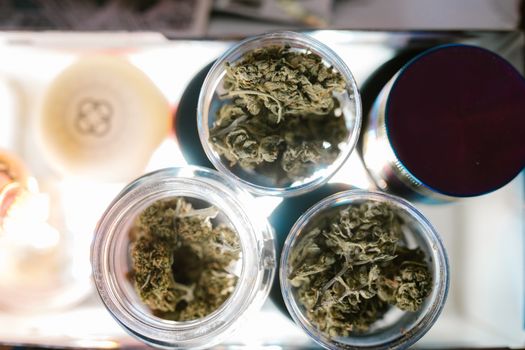
Close-up of cannabis buds in jars from above, highlighting marijuana storage. Photo: RDNE Stock project / Pexels
While the cannabis dispensary license California cost is a significant hurdle, it represents only a fraction of the total capital required to launch and sustain a successful retail operation. The true startup costs for a California dispensary can easily range from $250,000 to well over $1,000,000, depending on location, size, and business model. One of the largest expenditures is real estate. Securing a compliant location is paramount, often requiring extensive due diligence to ensure it meets strict zoning regulations, setbacks from schools, parks, and residential areas. Leasing or purchasing property in a commercially zoned area that allows cannabis retail can be expensive, especially in prime locations. Tenant improvements (TIs) are another major cost center. Dispensaries require specialized build-outs to ensure security, proper ventilation, display areas, point-of-sale systems, and compliance with the Americans with Disabilities Act (ADA). These modifications can easily run into hundreds of thousands of dollars. Security is non-negotiable. State regulations mandate robust security systems, including high-definition surveillance cameras covering all entry points, sales areas, and storage; alarm systems; restricted access points; and often on-site security personnel. The initial investment in these systems, plus ongoing monitoring fees, adds significantly to the overhead. Inventory acquisition is another substantial upfront cost. You need a diverse range of products from licensed cultivators and manufacturers to stock your shelves from day one. This requires significant working capital, as payment terms with suppliers can vary. Staffing is also a critical component. You'll need to hire and train a team of knowledgeable budtenders, managers, security personnel, and administrative staff. Payroll, benefits, and ongoing training represent a continuous operational expense that must be factored into your financial projections. Legal and consulting fees are often underestimated but are absolutely essential. Navigating the complex regulatory landscape requires expert legal counsel for entity formation, contract review, and license application assistance. Consultants specializing in cannabis compliance, security, and operational planning can also be invaluable, though their services come at a premium. Marketing and branding, while not directly related to licensing, are crucial for attracting customers in a competitive market. Developing a strong brand identity, creating a compelling website, and executing effective marketing campaigns all require significant investment. Finally, don't forget about insurance. Comprehensive coverage, including general liability, product liability, property insurance, and workers' compensation, is necessary to protect your investment and mitigate risks in a highly regulated industry. Each of these elements contributes to the overall financial burden, making careful planning and sufficient capitalization critical for success.

Navigating Local Variances: The True Determinant of Dispensary Costs
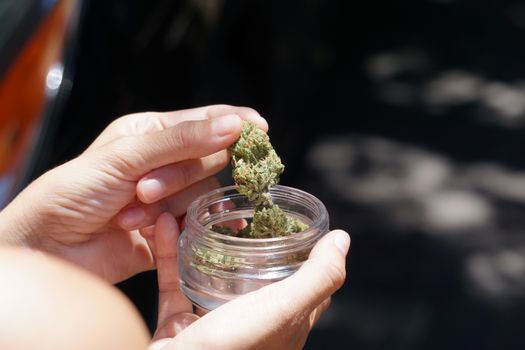
Close-up of hands holding cannabis buds in a glass jar outside in daylight. Photo: Elsa Olofsson / Pexels
While the state provides a foundational framework, the true variability in cannabis dispensary license California cost lies within the diverse approaches of local municipalities. California's 'local control' provision grants cities and counties significant autonomy in regulating cannabis businesses, leading to a patchwork of regulations and fee structures across the state. Some cities, eager to boost local revenue, have established clear, albeit expensive, pathways for dispensary licensing. They might have a cap on the number of licenses issued, leading to highly competitive application processes where applicants are judged on their financial viability, community benefits, and operational plans. The application fees in these jurisdictions can be steep, ranging from $5,000 to $20,000 just to apply, non-refundable. Beyond application fees, local annual licensing fees can vary dramatically. Some cities charge a flat annual fee, which could be anywhere from $10,000 to $75,000. More commonly, cities impose a local cannabis business tax, often structured as a percentage of gross receipts. This percentage can range from 5% to 15% or even higher, significantly impacting your ongoing operational costs and profitability. For example, a dispensary generating $3 million in annual revenue could face an additional $150,000 to $450,000 in local taxes alone, on top of state taxes and fees. Other local costs to consider include development impact fees, specific security requirements beyond state minimums (e.g., requiring armed guards during certain hours), and community benefit agreement contributions. Some cities mandate that a portion of a dispensary's profits or a specific sum be donated to local charities or community programs as a condition of receiving a license. The process itself can be costly. Engaging local lobbyists or consultants who understand the specific political and regulatory landscape of a particular city can be essential, adding thousands of dollars to your initial investment. Public hearings, environmental reviews (like CEQA), and extensive background checks conducted at the local level all contribute to the overall expenditure. Therefore, thorough research into specific city and county ordinances, fee schedules, and application processes is not just recommended, it's absolutely critical before committing to a location. The chosen location will profoundly influence not only your initial cannabis dispensary license California cost but also your long-term operational expenses and potential for profitability. Understanding these local nuances can be the difference between a thriving business and a costly failure, underscoring the importance of expert guidance in cannabis business consulting.

Common Mistakes and Strategic Tips for Cost Management
Close-up of a cannabis leaf resting on an American dollar bill, symbolizing the intersection of finance and cannabis culture. Photo: Kindel Media / Pexels
Entering California's cannabis market without a clear understanding of the cannabis dispensary license California cost and associated expenses is a recipe for disaster. Here are common mistakes to avoid and strategic tips for managing your budget effectively: **Common Mistakes:** * **Underestimating Local Fees and Taxes:** Many entrepreneurs focus solely on state fees and overlook the often higher and more complex local fees, taxes, and community contributions. This can lead to severe budget shortfalls. * **Ignoring Compliance Costs:** The cost of building out a compliant facility, installing state-of-the-art security, and maintaining rigorous operational protocols is substantial and frequently underestimated. Cutting corners here leads to fines or license revocation. * **Lack of Capital Reserves:** Running out of capital before profitability is a common issue. Businesses need significant working capital to cover operational expenses, inventory, and unexpected costs for the first 12-24 months. * **Poor Location Selection:** Choosing a location without thorough due diligence on zoning, local sentiment, and potential competition can result in wasted resources on non-compliant properties or a struggle for customer acquisition. * **DIY Legal and Consulting:** Attempting to navigate the intricate legal and regulatory framework without expert legal counsel or cannabis consultants is a high-risk strategy that often leads to costly errors or delays. **Strategic Tips for Cost Management:** * **Thorough Due Diligence:** Invest heavily in researching specific local jurisdictions. Understand their complete fee structure, tax rates, and application competitiveness before making any commitments. * **Detailed Financial Projections:** Develop a comprehensive financial model that includes all potential startup costs, operational expenses for at least two years, and realistic revenue forecasts. Build in a contingency fund of at least 20-30%. * **Leverage Provisional Licenses:** California's provisional licensing allows businesses to operate while working towards full annual compliance. This can help generate revenue sooner, offsetting some startup costs, but ensure you meet all provisional requirements. * **Strategic Partnerships:** Consider partnering with experienced operators or investors who bring capital, expertise, and established networks. This can reduce your individual financial burden and increase your chances of success. * **Phased Development:** If capital is a major concern, consider a phased approach to your build-out and inventory. Start with essential elements and expand as revenue grows, rather than trying to build a 'perfect' dispensary from day one. * **Negotiate and Optimize:** Actively negotiate lease terms, supplier contracts, and service agreements. Continuously review operational expenses for areas of optimization without compromising compliance or quality.

Comparison

FeatureSmall City (Low Barrier)Mid-Size City (Moderate Barrier)Major Metro (High Barrier)
State License Annual Fee (estimate)$1,000 - $5,000$5,000 - $50,000$50,000 - $120,000+
Local Application Fee (one-time)$1,000 - $5,000$5,000 - $20,000$15,000 - $50,000+
Local Annual Fee / Tax (estimate)2-5% Gross Revenue5-10% Gross Revenue10-15% Gross Revenue
Real Estate / Build-out (estimate)$100,000 - $300,000$300,000 - $700,000$700,000 - $1,500,000+
Legal & Consulting Fees$20,000 - $50,000$50,000 - $150,000$100,000 - $300,000+
Working Capital (6-12 months)$150,000 - $300,000$300,000 - $700,000$500,000 - $1,000,000+
Competitive LandscapeModerateHighVery High
Total Startup Cost (Estimate)$250,000 - $700,000$700,000 - $1,800,000$1,500,000 - $3,000,000+

What Readers Say

"The information on cannabis dispensary license California cost was incredibly detailed and helped us budget accurately. We avoided so many pitfalls by understanding the local tax implications."

Sarah Chen · Oakland, CA

"This article clearly breaks down the difference between state and local fees, which was a huge point of confusion for us. It's an essential read for any aspiring dispensary owner."

Mark Johnson · Palm Springs, CA

"After reading this, we adjusted our financial projections significantly, adding an extra $200k for unexpected costs. This guidance saved us from a major cash flow crisis during our build-out phase."

Jessica Lee · Los Angeles, CA

"While very comprehensive, I wish there was a more specific city-by-city breakdown, as local costs are so varied. Still, it's the best high-level overview I've found on California dispensary costs."

David Kim · Sacramento, CA

"The section on common mistakes was particularly insightful. We were about to make several of them, particularly underestimating compliance costs, before this article set us straight."

Emily Rodriguez · San Francisco, CA

Frequently Asked Questions

What is the average cannabis dispensary license California cost?

The 'average' cost is highly variable, but entrepreneurs should budget anywhere from $250,000 to over $1,000,000 for total startup costs, including licenses, build-out, inventory, and working capital. State annual license fees alone can range from $1,000 to over $120,000 depending on revenue, in addition to significant local fees and taxes.

Is the California state cannabis license the only one I need?

No, absolutely not. California operates under a dual-licensing system. You must first secure a local license or approval from the city or county where your dispensary will be located, and only then can you apply for a state license from the Department of Cannabis Control (DCC). Both are mandatory.

How do I find out the local licensing fees for my city?

You need to directly contact the city clerk's office, planning department, or the specific cannabis regulatory department (if one exists) in your target city or county. Their official websites will often publish fee schedules and ordinances. Local fees and taxes vary dramatically, so direct research is crucial.

What are the ongoing costs associated with a California dispensary license?

Ongoing costs include annual state license renewal fees (revenue-based), local annual licensing fees, local cannabis business taxes (often a percentage of gross receipts), ongoing compliance costs (e.g., METRC fees, security maintenance), insurance, and operational expenses like payroll, rent, and inventory replenishment.

Are there any grants or financial assistance programs for cannabis dispensary licenses in California?

While general business loans are available, state or federal grants specifically for cannabis dispensary licensing are rare due to federal prohibition. Some cities offer 'equity programs' designed to assist individuals from communities disproportionately affected by the War on Drugs, which might include reduced fees or technical assistance. Research local equity programs.

Who should consider pursuing a cannabis dispensary license in California?

Individuals or groups with substantial capital, a strong business background, a deep understanding of retail operations, and a commitment to rigorous regulatory compliance should consider it. It's a highly competitive and capital-intensive industry, best suited for those prepared for significant investment and complex regulatory navigation.

What are the biggest financial risks when obtaining a California dispensary license?

The biggest financial risks include undercapitalization, unforeseen local regulatory changes or fees, delays in licensing approval leading to prolonged periods without revenue, and overestimation of market demand or profitability. Failing to maintain compliance can also lead to costly fines or license revocation, jeopardizing your investment.

How might future regulations impact the cannabis dispensary license California cost?

Future regulations could impact costs in several ways: fee adjustments by the DCC, changes in local tax structures, new compliance mandates (e.g., packaging, testing), or even federal legalization which could potentially introduce new federal taxes or reduce some state-level burdens. Staying informed about legislative changes is key.

Understanding the cannabis dispensary license California cost is the first critical step toward building a successful retail operation. This guide provides a comprehensive overview, but the journey requires meticulous planning, substantial capital, and unwavering dedication to compliance. Equip yourself with knowledge and expert guidance to navigate this complex yet rewarding industry.

Topics: cannabis dispensary license California costCalifornia cannabis license feesdispensary startup costs CAcannabis business Californiaretail cannabis license California
Leo List

IE Escorts NO Escorts US Escorts NZ Escorts AU Escorts
Brampton weed
Adultwork EstrelaBet Vai de Bet R7 Bet Betão Galera Bet Rainbet Bet9ja Shop SportyBet BetKing Sisal Loto Foot Hollywoodbets YesPlay Odibets RushBet Jugabet BetWarrior BetCity MSport betPawa Fortebet