Cannabis Cultivation License California Cost Explained
cannabis cultivation license california cost

Cannabis Cultivation License California Cost Explained

Navigate the complex landscape of fees and expenses to secure your California cannabis cultivation license and thrive.

Get Your Cost Breakdown

Key Takeaways

  • ✓ California has a dual licensing system: state and local.
  • ✓ Cultivation license costs vary significantly based on canopy size and license type.
  • ✓ Application fees are non-refundable, even if denied.
  • ✓ Annual renewal fees are a recurring operational expense.
  • ✓ Significant capital is needed beyond just licensing for infrastructure and compliance.

How It Works

1
Local Authorization First

Before applying to the state, you must secure local permits and authorization from the city or county where your cultivation will take place. This is a critical prerequisite and can involve its own set of fees and processes.

2
State Application Submission

Once local approval is obtained, you can submit your application to the California Department of Cannabis Control (DCC). This involves detailed documentation, including operational plans, security plans, and environmental impact assessments, along with paying the initial application fee.

3
Regulatory Review and Inspection

The DCC will review your application for completeness and compliance with all state regulations. This phase may include site inspections to ensure your facility meets all requirements before a provisional or annual license is issued.

4
Annual License Issuance and Renewal

Upon successful review and inspection, your annual license will be issued, allowing you to legally cultivate cannabis. Remember, this license requires annual renewal, which entails paying renewal fees and demonstrating continued compliance with state regulations.

Understanding California's Dual Licensing System for Cannabis Cultivation
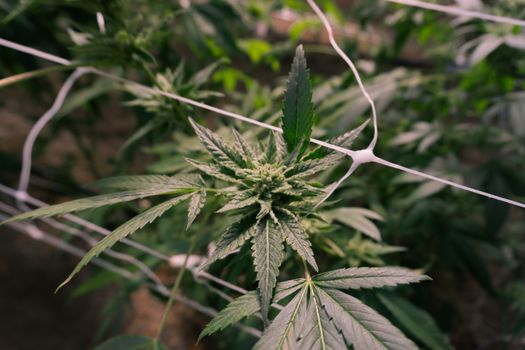
Detailed view of a cannabis plant flowering in an indoor greenhouse. Photo: Haley Bee / Pexels
Embarking on the journey of commercial cannabis cultivation in California means navigating a unique and often complex regulatory framework. At its core, California operates under a dual licensing system, requiring prospective cultivators to obtain authorization from both local municipal authorities and the state. This bifurcated approach is designed to give local jurisdictions control over cannabis businesses within their borders while the state ensures statewide standards for public health, safety, and environmental protection. Understanding this foundational structure is paramount for accurately estimating your cannabis cultivation license California cost. Local authorization is the first, often most challenging, hurdle. Each city and county in California has the autonomy to decide whether to allow commercial cannabis cultivation, and if so, under what specific conditions. This means that fees, zoning requirements, operational restrictions, and even the types of licenses available can vary dramatically from one municipality to another. Some jurisdictions may welcome cannabis businesses with streamlined processes and reasonable fees, while others might impose moratoriums, outright bans, or levy substantial local taxes and permit fees that significantly add to the overall cost. Engaging with local planning departments and cannabis offices early in your process is crucial. You'll need to research local ordinances, attend public meetings, and possibly engage with local consultants who specialize in cannabis permitting. These local fees can range from a few thousand dollars for application processing to tens of thousands for conditional use permits or impact fees, depending on the scale and location of your proposed operation. Moreover, some localities require significant community benefit agreements or social equity contributions, which, while not direct fees, represent substantial costs of doing business. Once local approval is secured, you then turn your attention to the state licensing process through the California Department of Cannabis Control (DCC). The DCC offers various types of cultivation licenses, categorized primarily by canopy size (e.g., small, medium, large outdoor, indoor, mixed-light) and specialty types (e.g., nursery, processor, microbusiness). Each license type carries a specific application fee and an annual renewal fee, which are determined by the estimated gross revenue of the cultivation operation and the tier of cultivation. These state fees are standardized across California but are still tiered to reflect the scale and potential revenue of the operation. For instance, a small indoor cultivator will pay a different fee than a large outdoor cultivator. The state application requires a comprehensive submission, detailing everything from your proposed cultivation methods and environmental protection plans to security measures and waste management protocols. The complexity and detail required often necessitate professional assistance from attorneys, consultants, and environmental specialists, adding another layer to your initial investment. The dual nature of this system means you are essentially paying for and complying with two distinct sets of regulations, which inherently drives up the initial and ongoing cannabis cultivation license California cost. Failing to understand or properly navigate either the local or state requirements can lead to significant delays, increased expenses, or even outright denial of your license, underscoring the importance of meticulous planning and thorough due diligence from the outset.

Breaking Down State-Level Cannabis Cultivation License Fees in California

Detailed view of a cannabis plant flowering in an indoor greenhouse. Photo: Haley Bee / Pexels
The California Department of Cannabis Control (DCC) is the primary state agency responsible for regulating commercial cannabis cultivation. Their fee structure is designed to be comprehensive, covering the administrative costs of application processing, regulatory oversight, and enforcement. It's crucial to understand that these fees are non-refundable, meaning that even if your application is denied, you will not get your money back. This highlights the importance of submitting a thoroughly prepared and compliant application. The state-level cannabis cultivation license California cost is primarily comprised of two components: the application fee and the annual license fee. The application fee is a one-time, upfront cost that you pay when you submit your initial license application. This fee is relatively modest compared to the annual license fee but is mandatory for all applicants. It covers the administrative burden of reviewing your extensive documentation, conducting background checks, and initiating the compliance process. While specific amounts can change with regulatory updates, these fees typically range from a few hundred to a few thousand dollars, depending on the license type and tier. For example, a microbusiness license might have a lower application fee than a large-scale outdoor cultivation license, reflecting the differing administrative resources required to process each. The annual license fee is where the significant financial commitment lies for state-level licensing. This fee is paid annually to maintain your active license and is directly tied to the type and size of your cultivation operation. The DCC categorizes cultivation licenses into various types, such as Type 1 (Specialty Outdoor), Type 2 (Small Outdoor), Type 3 (Medium Outdoor), Type 1A (Specialty Indoor), Type 2A (Small Indoor), Type 3A (Medium Indoor), and several others including mixed-light, nursery, and processor licenses. Each of these types has different tiers based on canopy size. The annual fee for each type and tier is calculated based on the projected gross revenue of the operation. For smaller operations, annual fees might start in the low thousands of dollars. However, for larger cultivators, especially those with Type 3 (Medium) or Type 4 (Large) licenses, these fees can quickly escalate into the tens or even hundreds of thousands of dollars per year. For instance, a Type 3 (Medium Outdoor) license could incur annual fees upwards of $70,000 to $100,000, while a Type 3A (Medium Indoor) could be even higher due to its greater revenue potential and associated regulatory oversight. The DCC publishes detailed fee schedules on its website, which are regularly updated, making it essential for prospective cultivators to consult the most current information. These annual fees are a significant ongoing operational expense that must be factored into your business model and financial projections. They fund the DCC's continued regulatory activities, including inspections, enforcement, and program administration, ensuring that licensed cultivators adhere to the strict state standards for product safety, environmental impact, and market integrity. Understanding these state-level fees is a critical component of accurately calculating the overall cannabis cultivation license California cost and ensuring the long-term viability of your cannabis business.

Beyond Licensing: Hidden Costs and Operational Expenses in California Cannabis Cultivation

Detailed view of a cannabis plant flowering in an indoor greenhouse. Photo: Haley Bee / Pexels
While the application and annual license fees from local and state authorities constitute a significant portion of the cannabis cultivation license California cost, they represent only the tip of the iceberg. The true financial commitment required to launch and sustain a compliant cannabis cultivation operation in California extends far beyond these regulatory charges. Prospective cultivators must meticulously account for a myriad of hidden costs and ongoing operational expenses that can quickly accumulate and significantly impact profitability if not adequately planned for. These additional costs often surprise new entrants to the market, leading to undercapitalization and business failure. One of the most substantial non-licensing costs is real estate. Securing suitable land or an industrial facility in a cannabis-friendly zone can involve considerable expense, whether through purchase or lease. Property values in desirable areas can be exceptionally high, and facilities often require extensive retrofitting to meet stringent cultivation, security, and environmental compliance standards. This includes installing advanced HVAC systems, specialized lighting, irrigation, pest control, and state-of-the-art security infrastructure, such as surveillance cameras, access control systems, and alarm monitoring. These build-out costs can easily run into hundreds of thousands, if not millions, of dollars, depending on the scale and type of cultivation (indoor, outdoor, mixed-light). Operational expenses are also formidable and continuous. Utilities, especially electricity for indoor and mixed-light grows, represent a massive recurring cost. Water usage, particularly in California, is another critical expense, often requiring specialized filtration and recycling systems. Labor costs, including salaries for skilled cultivators, trimmers, security personnel, and administrative staff, form a significant portion of the budget. Compliance testing for pesticides, heavy metals, and potency is mandatory for all cannabis products before they can enter the market, and these testing fees are paid per batch, adding up quickly. Packaging and labeling must adhere to strict state regulations, requiring specific materials and designs that are often more expensive than conventional packaging. Furthermore, seed-to-sale tracking systems, mandated by the state, involve software subscriptions and hardware costs. Beyond these direct operational costs, cultivators must also budget for professional services. This includes legal counsel for navigating complex regulations and contracts, accounting services for managing intricate tax laws (including IRS Section 280E), and environmental consultants to ensure compliance with California's rigorous environmental impact regulations. Insurance, covering everything from property and liability to crop loss, is another indispensable and costly element. Marketing and branding, while not directly regulatory, are crucial for market penetration and can also be substantial. Lastly, unexpected repairs, equipment upgrades, and ongoing training for staff are essential but often overlooked expenses. A comprehensive financial model that captures all these elements, not just the cannabis cultivation license California cost, is vital for any prospective cannabis cultivator in California to succeed.

Strategic Planning and Cost-Saving Tips for California Cannabis Cultivators

Navigating the financial landscape of cannabis cultivation in California requires meticulous strategic planning and a proactive approach to cost management. Given the significant initial investment and ongoing operational expenses, smart decisions made early on can dramatically impact the long-term viability and profitability of your operation. Here are some key strategic planning and cost-saving tips: * **Thorough Due Diligence on Local Ordinances:** Before committing to a location, deeply research local cannabis ordinances. Some cities offer more favorable tax structures, lower permit fees, or streamlined application processes. Choosing a municipality with a supportive regulatory environment can save tens or hundreds of thousands of dollars in local fees and expedite the licensing process. Engage with local government officials and community stakeholders early. * **Start Small and Scale Up:** Instead of aiming for a large-scale operation from day one, consider starting with a Type 1A (Specialty Indoor) or Type 2A (Small Indoor) license, or a comparable outdoor/mixed-light option. These smaller licenses have lower application and annual fees, as well as reduced initial build-out costs. As your business generates revenue and you gain experience, you can then apply to scale up your operation and upgrade your license type. This approach minimizes initial financial risk. * **Focus on Energy Efficiency:** Energy costs, particularly for indoor and mixed-light grows, are a major expense. Invest in energy-efficient LED lighting, optimized HVAC systems, and smart environmental controls from the outset. While the upfront cost may be higher, the long-term savings on utility bills can be substantial. Explore incentives or rebates for energy-efficient upgrades. * **Automate Where Possible:** Automation in irrigation, nutrient delivery, and environmental monitoring can reduce labor costs and improve operational efficiency. While there's an initial investment, automated systems can pay for themselves over time by optimizing resource use and minimizing human error. * **Vertical Integration Considerations:** Explore opportunities for vertical integration, such as processing or distribution, if feasible. While each additional license comes with its own fees, processing your own harvest or distributing your own product can eliminate third-party costs and increase profit margins. However, carefully weigh the added complexity and capital requirements. * **Leverage Grant Programs and Financing:** Keep an eye out for state or local grant programs, especially those aimed at social equity applicants, which can provide financial assistance. Additionally, explore cannabis-friendly lenders or private equity firms for financing, as traditional banks often shy away from the industry due to federal illegality. * **Negotiate with Vendors:** Don't be afraid to negotiate prices with suppliers for equipment, nutrients, packaging, and testing services. Building strong relationships with vendors and buying in bulk can lead to significant cost savings over time. * **Comprehensive Business Plan and Financial Modeling:** Develop a detailed business plan that includes robust financial projections for at least 3-5 years. This plan should account for all anticipated costs, including the cannabis cultivation license California cost, operational expenses, taxes, and a contingency fund for unexpected challenges. Regularly review and adjust your financial model to ensure you stay on track. * **Compliance as a Cost-Saver:** While compliance costs money, non-compliance costs more. Fines, license suspension, or revocation due to regulatory violations can be financially devastating. Invest in robust compliance protocols, staff training, and professional guidance to avoid costly penalties.

Comparison

FeatureSmall Indoor (Type 1A)Medium Outdoor (Type 3)Nursery (Type 4)
Max Canopy Size (sq ft)5,000 sq ft1 acre (43,560 sq ft)No canopy limit (for immature plants)
Typical State App Fee$1,000 - $2,500$2,500 - $5,000$1,000 - $2,500
Typical State Annual Fee$10,000 - $50,000$70,000 - $150,000+$5,000 - $25,000
Energy ConsumptionVery HighLow (natural light)Moderate (for propagation)
Initial Build-Out CostHigh (HVAC, lighting)Moderate (land prep, security)Moderate (greenhouses, cloning labs)
Labor IntensityMediumMediumHigh (detailed plant care)

What Readers Say

"This guide was incredibly helpful in breaking down the cannabis cultivation license California cost. We were able to budget accurately for both state and local fees, preventing any nasty surprises during our application process. Highly recommend for anyone starting out."

Sarah Chen · Oakland, CA

"The details on hidden operational costs were invaluable. We had focused too much on just the licensing fees, but this article opened our eyes to the true financial commitment required. It really helped us refine our business plan."

Mark Johnson · Humboldt County, CA

"Thanks to the advice here, we chose a smaller, more manageable cultivation license type initially. This saved us a significant amount in upfront cannabis cultivation license California cost and allowed us to scale responsibly. We're now successfully operating and looking to expand."

Emily Rodriguez · Los Angeles, CA

"While comprehensive, the sheer variability of local fees still makes precise budgeting challenging. However, this article provided an excellent framework for understanding the categories of costs involved, which was a huge head start. It's a solid resource."

David Lee · Sacramento, CA

"As a social equity applicant, understanding the full cannabis cultivation license California cost was intimidating. This article made the complexities much clearer, especially regarding the dual licensing system and ongoing expenses. It's a must-read for aspiring cultivators."

Jessica Kim · Santa Barbara, CA

Frequently Asked Questions

What is the average cannabis cultivation license California cost for a small operation?

For a small cannabis cultivation operation (e.g., Type 1A or 2A indoor), the state application fee might range from $1,000 to $2,500, with annual state fees typically between $10,000 and $50,000. However, local fees can add anywhere from a few thousand to tens of thousands more, making the total initial cost highly variable depending on your specific city or county.

Are cannabis cultivation license fees refundable if my application is denied?

No, state application fees for cannabis cultivation licenses in California are generally non-refundable, even if your application is ultimately denied. This underscores the critical importance of submitting a complete, accurate, and compliant application from the outset to avoid losing your investment.

How do I find out the local cannabis cultivation fees in my area?

To determine local cannabis cultivation fees, you must directly contact the city or county planning department, business licensing office, or dedicated cannabis office in your desired cultivation area. Local ordinances and fee schedules are highly localized and vary significantly across California municipalities.

What other significant costs should I expect beyond the license fees?

Beyond license fees, expect substantial costs for real estate acquisition or lease, facility build-out and retrofitting (HVAC, lighting, security), utility expenses (especially electricity and water), labor, mandatory compliance testing, packaging, seed-to-sale tracking software, legal and consulting services, and comprehensive insurance. These operational costs often far exceed the initial licensing fees.

Is it cheaper to get an outdoor or indoor cannabis cultivation license?

Generally, an outdoor cannabis cultivation license (e.g., Type 2 or 3) tends to have lower initial build-out costs compared to an indoor operation of a similar scale, as it relies more on natural light and ventilation. However, outdoor operations face different challenges like pest control, weather dependency, and security, and annual state fees are still tiered based on canopy size and projected revenue, so the 'cheaper' option depends on a holistic view of all associated costs and risks.

Who should consider applying for a cannabis cultivation license in California?

Individuals or businesses with substantial capital, a deep understanding of agricultural practices, strong business acumen, a commitment to regulatory compliance, and a clear long-term vision for operating in a highly regulated and competitive market should consider applying for a cannabis cultivation license in California.

What are the risks of underestimating the cannabis cultivation license California cost?

Underestimating the cannabis cultivation license California cost can lead to severe financial distress, including running out of capital before operations begin, inability to meet compliance requirements, delays in obtaining or renewing licenses, and ultimately, business failure. It is crucial to have a comprehensive financial plan with ample contingency funds.

How might future regulations impact the cost of a cannabis cultivation license?

Future regulations could impact costs through changes in state or local fee structures, new compliance requirements (e.g., environmental standards, labor laws, social equity mandates) that necessitate additional investments, or shifts in market dynamics that affect revenue projections and thus, tiered annual fees. Staying informed about legislative and regulatory developments is essential.

Navigating the cannabis cultivation license California cost is a significant undertaking, but with proper planning and a thorough understanding of all expenses, you can set your operation up for success. Don't let unforeseen costs derail your dream; use this guide as your foundation for a robust financial strategy. Ready to cultivate your future in California's cannabis market?

Topics: cannabis cultivation license california costCalifornia cannabis cultivation feescommercial cannabis license Californiacannabis business startup costs CAcultivation license application California
Leo List
Brampton weed
Adultwork