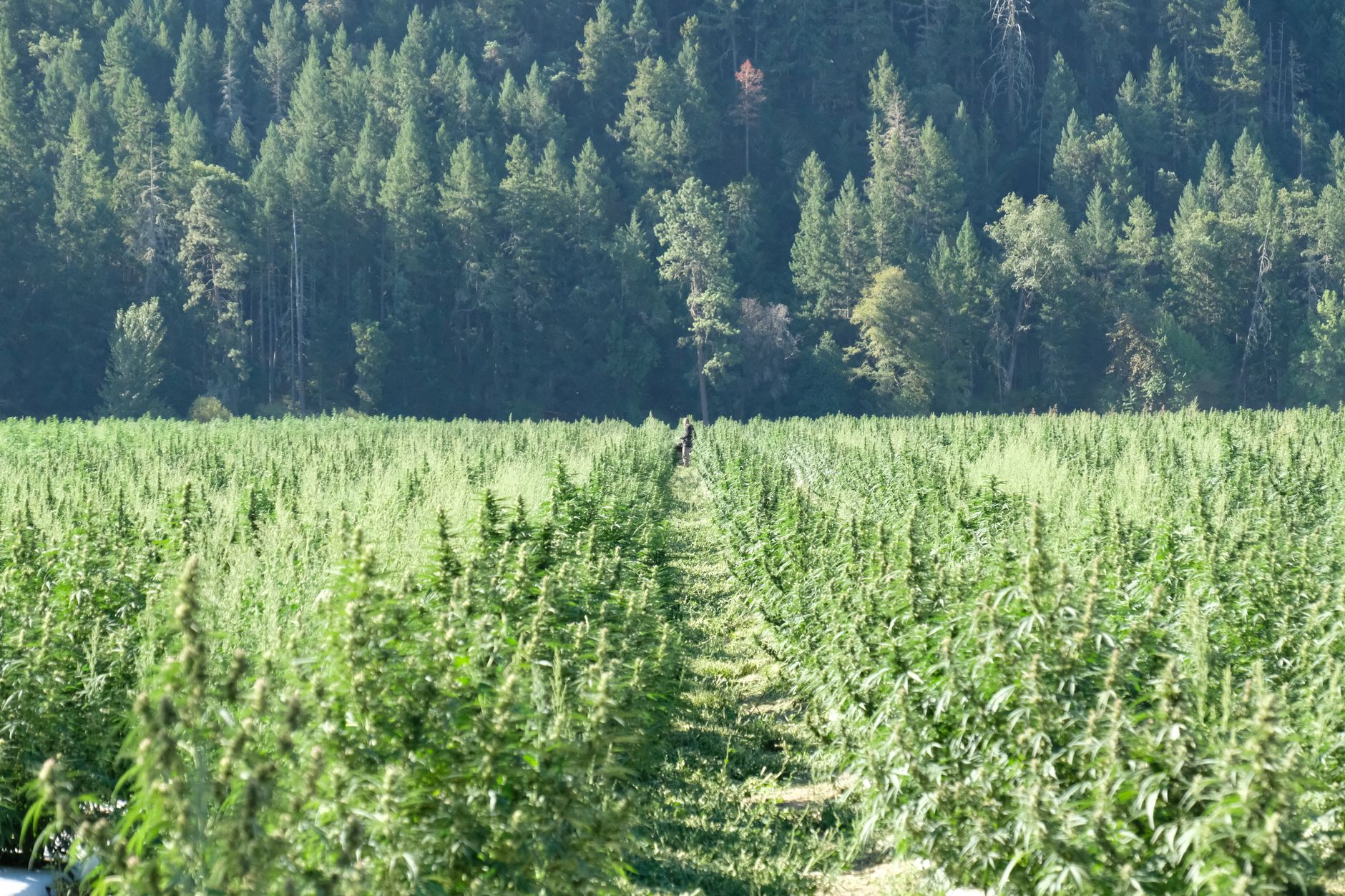
Your Cannabis Cultivation License CA: The Ultimate Guide
cannabis cultivation license CA

Your Cannabis Cultivation License CA: The Ultimate Guide

Unlock the secrets to obtaining your California cannabis cultivation license and building a successful, compliant operation.

Start Your Application

Key Takeaways

  • ✓ California offers various cultivation license types based on canopy size and grow type.
  • ✓ Dual licensing (state and local) is mandatory for all cultivators in California.
  • ✓ The CalCannabis Cultivation Licensing division of CDFA oversees state licenses.
  • ✓ Compliance with CEQA and numerous environmental regulations is crucial.

How It Works

1
Secure Local Authorization

Before applying for a state license, you must obtain a local permit or authorization from the city or county where your cultivation site is located. This is the foundational step, as state licensing depends on local approval.

2
Prepare Your Application Documents

Gather all required documents, including detailed operational plans, environmental impact assessments, water source plans, and proof of legal land use. Thorough preparation prevents delays and ensures compliance.

3
Submit State License Application

Apply online through the CalCannabis Cultivation Licensing system, submitting all necessary forms and paying the application fee. Ensure all information is accurate and consistent with your local approvals.

4
Undergo Review and Inspection

Your application will be reviewed for completeness and compliance. Be prepared for potential site inspections by CalCannabis representatives to verify your operation meets all regulatory standards before license issuance.

Understanding the Landscape of Cannabis Cultivation Licenses in California
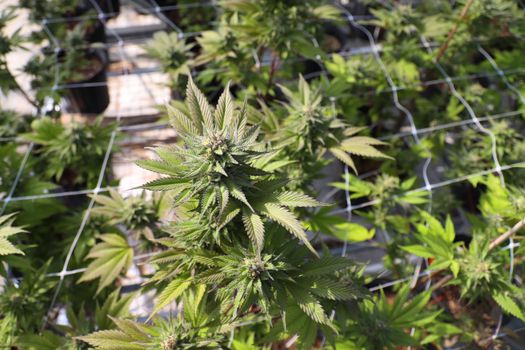
Close-up of cannabis plants growing in an outdoor greenhouse in Salinas, CA. Photo: Cannafornia / Pexels
Navigating the regulatory environment for a cannabis cultivation license in CA can feel like traversing a dense forest without a map. California, a pioneer in cannabis legalization, has established a sophisticated, multi-layered licensing system designed to regulate every aspect of commercial cannabis cultivation. This system aims to ensure product safety, environmental protection, and fair market practices, while simultaneously weeding out illicit operations. For aspiring cultivators, understanding the nuances of these regulations is not just important; it’s absolutely critical for success and avoiding costly pitfalls. The primary state agency overseeing cultivation licenses is the California Department of Food and Agriculture (CDFA) through its CalCannabis Cultivation Licensing division. They are responsible for issuing annual and provisional licenses, enforcing regulations, and ensuring cultivators adhere to strict environmental and operational standards. However, the state license is only one half of the equation. California operates under a dual-licensing system, meaning that in addition to state approval, every cannabis cultivator must also secure local authorization from the city or county where their cultivation site is located. This local approval often involves its own set of ordinances, zoning requirements, and permitting processes, which can vary significantly from one jurisdiction to another. Some municipalities embrace cannabis businesses with open arms, offering streamlined processes, while others have outright bans or extremely restrictive policies. The first step for any prospective cultivator is therefore to research and identify a suitable location that permits commercial cannabis cultivation and understand its specific local requirements. This initial due diligence can save immense time, effort, and capital. Beyond the basic structure, California's cultivation licenses are categorized by various factors, including canopy size and cultivation type (indoor, outdoor, mixed-light). These distinctions directly impact the regulatory requirements, fees, and operational allowances. For instance, a small indoor grow will have different environmental compliance obligations than a large outdoor farm. Additionally, there are specific licenses for nurseries, which propagate cannabis plants, and for processors, who handle post-harvest activities. The complexity demands a strategic approach, where every decision, from site selection to business plan development, is made with regulatory compliance in mind. Ignoring any part of this intricate framework can lead to significant delays, fines, or even denial of your cannabis cultivation license CA. A thorough understanding of these foundational elements sets the stage for a successful application and a compliant, thriving cannabis business in California. For more on the general cannabis industry landscape, explore our guide on cannabis business opportunities.

Navigating the Application Process for Your California Cannabis Cultivation Permit
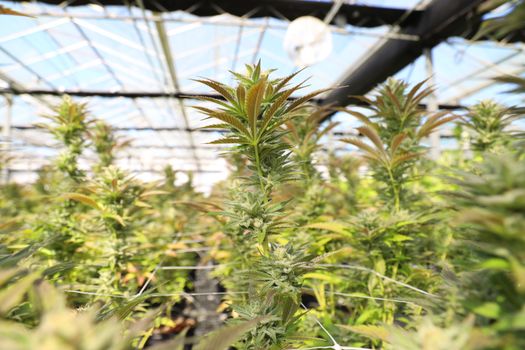
Green foliage of cannabis plants thriving in a well-lit greenhouse in Salinas, California. Photo: Cannafornia / Pexels
The journey to securing a cannabis cultivation license in CA is meticulous, demanding attention to detail and proactive planning. Once you’ve identified a cannabis-friendly jurisdiction and obtained local approval, the state application process begins. This involves a comprehensive submission to CalCannabis Cultivation Licensing. The first critical step is choosing the correct license type. California offers a range of cultivation licenses tailored to different scales and methods of operation. These include: Type 1 (Small Indoor), Type 1A (Small Outdoor), Type 1B (Small Mixed-Light), Type 2 (Medium Indoor), Type 2A (Medium Outdoor), Type 2B (Medium Mixed-Light), Type 3 (Large Indoor), Type 3A (Large Outdoor), Type 3B (Large Mixed-Light), Type 4 (Nursery), and Type 5 (Processor). Each type has specific canopy size limits and environmental considerations. For example, outdoor cultivators face stringent water usage and runoff regulations, while indoor operations must comply with energy efficiency standards. Selecting the appropriate license type is paramount, as it dictates many subsequent requirements. The application itself requires a substantial amount of documentation. Expect to provide detailed information about your business entity, ownership structure (including background checks for all owners), financial statements, and a comprehensive cultivation plan. This plan must detail your operational procedures, including planting, harvesting, drying, curing, and storage methods. Crucially, you’ll need robust environmental compliance documents. This includes a water source plan demonstrating legal access to water, a waste management plan outlining how you’ll dispose of cannabis waste, and often, compliance with the California Environmental Quality Act (CEQA). CEQA compliance can be particularly complex, potentially requiring environmental impact reports or mitigated negative declarations, which can be time-consuming and costly. Furthermore, a security plan is mandatory, detailing measures to prevent theft and unauthorized access, such as fencing, surveillance systems, and alarm systems. You'll also need to submit a diagram of your premises, clearly delineating all areas of cultivation, processing, and storage. The application fees vary depending on the license type and can be substantial, so budgeting for these costs is essential. After submission, your application will undergo a thorough review by CalCannabis staff. They may request additional information or clarification. Be prepared for potential site inspections, where regulators will verify that your proposed operation aligns with your application and meets all state regulations. This phase can involve detailed scrutiny of your facility's infrastructure, security measures, and environmental controls. Persistence, accuracy, and a proactive approach to addressing any deficiencies identified during the review process are key to successfully navigating this stage and ultimately securing your California cannabis cultivation license.

Critical Compliance and Operational Considerations for Licensed Cannabis Cultivators

Scientist in a lab coat working with glassware and chemicals for research in a laboratory setting. Photo: MART PRODUCTION / Pexels
Obtaining your cannabis cultivation license in CA is merely the first major hurdle; maintaining it requires continuous adherence to a complex web of regulations. Compliance is an ongoing commitment that impacts every facet of your operation, from seed to sale. One of the most significant areas of ongoing compliance is environmental stewardship. California's cannabis regulations are among the strictest in the nation regarding environmental impact. Cultivators must implement robust water conservation measures, prevent runoff and erosion, and manage pesticides responsibly. The use of certain pesticides is strictly prohibited, and all products must undergo rigorous testing for contaminants before reaching consumers. This involves detailed record-keeping of all inputs, from fertilizers to pest control agents, and adherence to integrated pest management (IPM) strategies. Waste management is another critical component. Cannabis waste must be rendered unusable and disposed of in a manner that prevents diversion into the illicit market, often requiring specific methods like grinding and mixing with non-cannabis waste before disposal. Record-keeping is paramount. Licensed cultivators are required to maintain meticulous records for every plant, from propagation to harvest. This includes tracking plant movement, weight at various stages, and any waste generated. The state’s track-and-trace system, METRC (Marijuana Enforcement Tracking Reporting Compliance), is central to this. Every cannabis plant and product must be tagged and tracked through METRC, providing real-time data to regulators about the entire supply chain. Proficiency with METRC is non-negotiable for compliance. Beyond environmental and tracking requirements, labor laws, health and safety standards, and security protocols must be rigorously upheld. Cultivation facilities are subject to Cal/OSHA regulations, ensuring a safe working environment for employees. Security measures outlined in your initial application must be continuously maintained and tested. Any changes to your operation, ownership, or facility layout often require prior approval or notification to CalCannabis. Failure to comply with any of these regulations can lead to severe penalties, including fines, license suspension, or even revocation. Regular internal audits and staying abreast of regulatory updates are essential for long-term success. Many cultivators find value in consulting with legal and compliance experts specializing in California cannabis law to ensure their operations remain fully compliant. This proactive approach minimizes risks and allows cultivators to focus on producing high-quality cannabis while contributing positively to California's regulated market. Understanding the broader regulatory landscape is key; for instance, understanding cannabis business banking is another crucial aspect for operational longevity.

Essential Tips and Common Pitfalls for Your Cannabis Cultivation License CA Journey

A close-up of a glass jar containing cannabis with an American flag symbol pinned to it, indoors. Photo: RDNE Stock project / Pexels
Securing and maintaining a cannabis cultivation license in CA is a challenging endeavor, but armed with the right knowledge, you can significantly increase your chances of success. Here are essential tips and common pitfalls to avoid: **Essential Tips for Success:** * **Thorough Local Research:** Before investing significant capital, thoroughly research local jurisdictions. Understand their specific ordinances, application processes, and community sentiment towards cannabis. A supportive local government is invaluable. * **Professional Guidance:** Engage legal counsel, consultants, and environmental experts specializing in California cannabis licensing. Their expertise can help navigate complex regulations, draft robust plans, and avoid costly mistakes. * **Robust Business Plan:** Develop a comprehensive business plan that includes detailed financial projections, operational strategies, and a clear understanding of your market. This demonstrates preparedness to regulators and potential investors. * **Capital Readiness:** Licensing, build-out, and initial operational costs are substantial. Ensure you have adequate capital reserves to cover these expenses, including unexpected delays or regulatory changes. * **Proactive Compliance:** Don't wait for inspections. Implement a culture of continuous compliance, regularly review your processes against state and local regulations, and train your staff thoroughly. * **Build Relationships:** Foster positive relationships with local officials, community members, and industry peers. Networking can provide valuable insights and support. **Common Pitfalls to Avoid:** * **Underestimating Local Requirements:** Many applicants focus solely on state requirements and overlook or underestimate the complexity and importance of local permitting. Local approval is the gatekeeper. * **Incomplete or Inaccurate Applications:** Rushing the application process often leads to errors, omissions, or inconsistencies, causing significant delays or outright denial. Double-check everything. * **Ignoring Environmental Regulations:** California's environmental laws are strict. Failing to adequately address CEQA, water usage, waste management, or pesticide use can halt your application or lead to severe penalties. * **Insufficient Funding:** Running out of capital before operations begin is a common reason for failure. Budget for contingencies and ensure a strong financial foundation. * **Lack of Security Planning:** Inadequate security measures are a red flag for regulators. Your security plan must be comprehensive and well-thought-out to prevent diversion and ensure public safety. * **Non-Compliance with METRC:** Failure to accurately track plants and products through the METRC system is a major compliance violation that can lead to license suspension or revocation. Ensure your team is expertly trained. By heeding these tips and avoiding these common missteps, you can streamline your path to obtaining and maintaining a successful cannabis cultivation license in California.

Comparison

FeatureSmall Indoor (Type 1)Medium Outdoor (Type 2A)Large Mixed-Light (Type 3B)
Canopy Size LimitUp to 5,000 sq ftUp to 10,000 sq ft22,001 sq ft - 1 acre
Cultivation MethodIndoorOutdoorMixed-Light
Environmental ImpactControlled, energy-intensiveWater usage, runoff, land useHybrid, energy & water concerns
Initial InvestmentModerate to HighModerateHigh
Regulatory ScrutinyHighHighVery High
Market AccessNiche, premiumVolume, diverseVolume, premium potential

What Readers Say

"Navigating the cannabis cultivation license CA process was daunting, but this guide was a lifesaver. It broke down the local and state requirements perfectly, helping me secure my Type 2A license much faster than I anticipated. Highly recommend for any new grower!"

Sarah J. · Humboldt County, CA

"As an urban cultivator, the specific advice on indoor licensing and local LA regulations was invaluable. This article helped me understand the CEQA requirements and secure my Type 1 license without major roadblocks. A truly comprehensive resource."

Mark T. · Los Angeles, CA

"We were struggling with our environmental compliance plan for our mixed-light facility. This guide clarified the crucial aspects, leading to a successful application for our Type 2B cannabis cultivation license CA on the first attempt. Saved us months of back-and-forth!"

Diego R. · Santa Barbara, CA

"The information provided was extremely thorough, though some sections felt a bit overwhelming for a beginner. However, it pushed me to seek out the right consultants, and I successfully obtained my Type 1A license. A very solid starting point."

Emily C. · Nevada County, CA

"From understanding the dual-licensing system to the METRC tracking details, this article covered it all. It was instrumental in helping our team prepare a flawless application for our nursery license, ensuring a smooth entry into the California cannabis market."

Alex K. · Oakland, CA

Frequently Asked Questions

What is the very first step to get a cannabis cultivation license in CA?

The absolute first step is to secure local authorization from the city or county where you intend to cultivate. California operates under a dual-licensing system, meaning you cannot obtain a state cultivation license without first having local approval. Research local ordinances carefully before proceeding.

How long does it typically take to get a California cannabis cultivation license?

The timeline varies significantly, often ranging from 6 months to over 2 years. This depends on the complexity of your project, responsiveness to information requests, local permitting timelines, and how quickly you can address any deficiencies identified by state regulators. Thorough preparation can help expedite the process.

Can I operate a cannabis cultivation business from my home in California?

Generally, no, not for commercial purposes. Commercial cannabis cultivation requires specific zoning and local permits that typically exclude residential properties. While personal cultivation for recreational use is permitted in certain limits, any commercial activity requires a licensed, compliant facility separate from a residence.

What are the main costs associated with a cannabis cultivation license in CA?

Costs include application and licensing fees (which vary by license type), legal and consulting fees, environmental impact assessment costs, property acquisition/lease, facility build-out, security systems, and ongoing operational expenses. These can easily run into hundreds of thousands, if not millions, of dollars.

Is a cannabis cultivation license in CA transferable?

No, state cannabis cultivation licenses are generally not transferable. If there is a change of ownership (e.g., a sale of the business), the new owner typically needs to apply for a new license or undergo a rigorous change of ownership process that may be akin to a new application. Always consult with legal counsel regarding ownership changes.

Who should apply for a cannabis cultivation license in CA?

Individuals or entities with significant capital, a strong understanding of agricultural practices, business acumen, and a high tolerance for regulatory complexity should consider applying. It's best suited for those committed to strict compliance, environmental stewardship, and long-term investment in the regulated cannabis market.

What are the biggest risks if I operate without a proper license in California?

Operating without a proper cannabis cultivation license in California carries severe risks, including substantial fines, criminal charges, asset forfeiture, and permanent disqualification from obtaining a license in the future. It also exposes you to legal liabilities and operates outside consumer protections.

What future trends should I be aware of regarding cannabis cultivation licenses in CA?

Future trends include increased focus on sustainable cultivation practices, potential consolidation of license types, evolving social equity programs, continued technological advancements in cultivation, and potential federal rescheduling or legalization which could impact state regulations. Staying informed and adaptable will be key.

Ready to cultivate your cannabis dream in the Golden State? Understanding the nuances of securing a cannabis cultivation license in CA is your first harvest. Leverage this comprehensive guide to navigate the regulatory landscape with confidence and build a compliant, prosperous cannabis operation.

Topics: cannabis cultivation license CACalifornia cannabis permitscommercial cannabis cultivationcannabis business licensingCDFA cannabis licensing
Leo List

DK Escorts LU Escorts AT Escorts SE Escorts FI Escorts CH Escorts DE Escorts HR Escorts IE Escorts GR Escorts CZ Escorts NO Escorts BE Escorts FR Escorts SI Escorts IL Escorts NL Escorts PL Escorts HU Escorts ES Escorts IT Escorts PT Escorts SK Escorts RO Escorts ZA Escorts UY Escorts US Escorts UK Escorts NZ Escorts AU Escorts
Brampton weed
Adultwork EstrelaBet Vai de Bet R7 Bet Betão Galera Bet Rainbet Bet9ja Shop SportyBet BetKing Sisal Loto Foot Hollywoodbets YesPlay Odibets RushBet Jugabet BetWarrior BetCity MSport betPawa Fortebet