Navigating Cannabis Cultivation Laws California Home

Green cannabis plant illuminated against a dark background showcasing fresh leaves and growth.Photo: Kindel Media / Pexels

Navigating Cannabis Cultivation Laws California Home

Unlock the secrets to compliant home cannabis cultivation in California with this comprehensive guide.

Start Growing Legally

Key Takeaways

  • ✓ Adults 21+ can cultivate up to 6 cannabis plants per residence.
  • ✓ Cultivation must be in a locked, secure area, out of public view.
  • ✓ Local jurisdictions can impose additional restrictions, but cannot ban home cultivation entirely.
  • ✓ Medical cannabis patients may cultivate more plants with a valid doctor's recommendation.
  • ✓ Outdoor cultivation is permitted in many areas but often subject to specific local ordinances.

How It Works

1
Understand State Law

Familiarize yourself with California's statewide regulations for personal cannabis cultivation under Proposition 64. This sets the baseline for all home growers.

2
Check Local Ordinances

Investigate your specific city and county's unique cultivation rules. These can vary significantly and often dictate aspects like indoor vs. outdoor, security, and odor control.

3
Prepare Your Grow Space

Ensure your cultivation area meets all legal requirements, including security, privacy, and proper ventilation. This prevents legal issues and ensures a healthy grow.

4
Cultivate Responsibly

Begin growing your plants within the established legal limits and guidelines. Always prioritize safety, discretion, and compliance to avoid penalties.

Understanding California's State-Level Home Grow Regulations
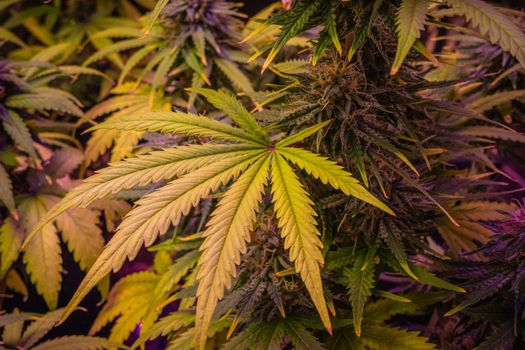
Close-up view of lush cannabis plants showcasing detailed leaves and buds.Photo: Keloke Grow / Pexels
California has long been at the forefront of cannabis reform, and with the passage of Proposition 64 (the Adult Use of Marijuana Act) in 2016, adult residents gained the legal right to cultivate cannabis for personal use. However, this right comes with a clear set of regulations that every home grower must understand and adhere to. The core of these regulations revolves around plant limits, location, and privacy. For adults aged 21 and over, the law permits the cultivation of up to six cannabis plants per private residence, regardless of the number of adults living there. This 'per residence' rule is crucial; it’s not six plants per person, but six plants total for the entire household. This distinction is often a point of confusion for new growers. Furthermore, all cultivation must take place in a “locked and secure area” and must not be “plainly visible from a public place.” This means your plants shouldn't be easily seen or accessed by the public. For many, this translates to indoor cultivation or secure outdoor setups like fenced yards with opaque barriers. The intent behind these rules is to prevent public nuisances, deter theft, and keep cannabis out of the hands of minors. It’s not just about the number of plants; it’s also about how and where you grow them. The plants must be grown on the grounds of a private residence, and any harvest from these plants is solely for personal use. Selling or distributing cannabis cultivated under these personal use provisions is strictly prohibited and can lead to severe legal consequences. Medical cannabis patients, who fall under different provisions (primarily the Compassionate Use Act of 1996 and the Medical Marijuana Program Act of 2003), may have different allowances. While Prop 64 generally superseded many aspects of medical cannabis law for adult use, patients with a valid doctor’s recommendation or a medical marijuana identification card may be permitted to cultivate more than six plants if their medical needs reasonably require it. This is often determined by the amount necessary for their personal medical use, and local jurisdictions might have specific guidelines for how this is assessed. It's imperative for medical patients to keep all documentation readily available to demonstrate their legal right to larger cultivation. Understanding these foundational state laws is the first step in ensuring your cannabis cultivation remains fully compliant and legal within California. Always remember that while the state allows home cultivation, it also expects responsible and discreet practices from its citizens.

Navigating Local Ordinances: The Critical Layer of Cannabis Cultivation Laws

While California's Proposition 64 established the foundational rights for home cannabis cultivation, it also granted significant authority to local jurisdictions – cities and counties – to enact their own additional regulations. This means that understanding the statewide rules is only half the battle; you must also delve into the specific ordinances of your city and county. These local laws can vary dramatically across California, creating a complex patchwork of regulations that can feel daunting to navigate. Some localities have embraced home cultivation with minimal additional restrictions, while others have imposed stringent rules that can significantly impact a grower’s ability to cultivate. Local ordinances frequently address several key areas: indoor versus outdoor cultivation, specific security requirements, odor control, and even setbacks from property lines or schools. For instance, some cities may permit outdoor cultivation but require plants to be fully enclosed and obscured from public view by a solid fence of a certain height, or mandate that plants are not visible from adjacent properties. Other cities might restrict cultivation exclusively to indoors, prohibiting any outdoor growing whatsoever. Odor control is another common concern, with some municipalities requiring specific ventilation systems or filters for indoor grows to prevent smells from impacting neighbors. Failure to comply with these local rules can lead to fines, citations, or even more severe penalties, despite being compliant with state law regarding plant count. It is crucial for any aspiring or existing home grower to proactively research their local ordinances. This typically involves visiting the city or county planning department's website, searching for cannabis cultivation or zoning ordinances, or directly contacting local government offices. Some jurisdictions even require permits or registrations for home grows, particularly for medical patients cultivating larger quantities. Ignoring these local rules is a common mistake that can quickly turn a legal home grow into an illegal one. Always remember that local laws cannot *prohibit* the six-plant personal cultivation explicitly allowed by Prop 64 for adults 21+, but they can, and often do, regulate the *manner* in which that cultivation takes place. Being well-informed about both state and local cannabis regulations is paramount for a successful and lawful home cultivation experience in California.

Essential Steps for Compliant Home Cultivation in California

Beyond understanding the legal framework, successful and compliant home cannabis cultivation in California requires careful planning and execution. The process involves several practical steps to ensure you meet all requirements and avoid common pitfalls. First and foremost, securing your grow space is paramount. Whether indoors or outdoors, your cultivation area must be locked and inaccessible to minors and the general public. For indoor grows, this might mean a dedicated room with a lockable door, or a secure grow tent within a secure area. For outdoor grows, a robust fence with a locked gate, along with screening to obscure plants from public view, is essential. The goal is to prevent unauthorized access and maintain discretion, aligning with the spirit of the law to prevent public nuisance. Secondly, proper ventilation and odor control, especially for indoor setups, are not just about neighborly courtesy but can also be a legal requirement in some local ordinances. Cannabis plants, particularly during flowering, can produce a strong aroma. Investing in carbon filters and exhaust fans can effectively manage odors, preventing complaints that could lead to inspections or fines. For outdoor growers, strategic placement away from property lines and careful plant selection (some strains are less pungent) can help mitigate odor issues. Third, managing electricity and water usage responsibly is key. Indoor grows can be energy-intensive, and local utility companies or building codes may have regulations regarding electrical load or water discharge. Ensure your electrical setup is safe and up to code to prevent fire hazards, and be mindful of water conservation, especially in drought-prone California. Finally, maintaining meticulous records of your cultivation activities can be incredibly beneficial. While not explicitly required by law for personal use, documenting your plant count, grow cycle, and any medical recommendations (if applicable) can serve as proof of compliance should questions arise. It demonstrates due diligence and responsible cultivation practices. For medical patients, keeping their doctor's recommendation and any associated patient ID card readily accessible is non-negotiable. Adhering to these practical steps ensures not only legal compliance with cannabis cultivation laws in California for your home grow, but also fosters a positive relationship with your community and minimizes potential issues.

Common Mistakes and Best Practices for California Home Growers

Even with the best intentions, home cannabis cultivators in California can inadvertently stumble into legal trouble if they're not fully aware of common mistakes and best practices. Avoiding these pitfalls is crucial for a stress-free growing experience. One of the most frequent errors is exceeding the six-plant limit per residence. This is a hard limit for adult-use growers, and exceeding it, even by one plant, can change a legal personal grow into a felony. Always double-check your plant count. Another common mistake is cultivating in plain public view. Whether it's plants visible from the street, a neighbor's yard, or a public park, lack of discretion can lead to complaints and legal action. Invest in proper screening, fencing, or choose indoor cultivation. Ignoring local ordinances is another significant oversight. As discussed, local rules can add layers of complexity, dictating everything from indoor-only cultivation to specific ventilation requirements. Always research your specific city and county's rules before you start. Not securing your grow area is also a major no-no. Your plants must be in a locked area, inaccessible to minors. This isn't just about legal compliance; it's about responsible cannabis use and preventing access by children. Best Practices for California Home Growers: * **Verify Local Laws:** Before planting, confirm your city and county's specific ordinances on home cultivation. * **Maintain Privacy:** Ensure your plants are not visible from any public place or easily accessible to others. * **Secure Your Grow:** Implement locks and barriers to prevent unauthorized access, especially by minors. * **Control Odor:** Use carbon filters for indoor grows and consider plant placement for outdoor grows to minimize aroma impact on neighbors. * **Stay Within Plant Limits:** Strictly adhere to the six-plant limit per residence (or your medical recommendation's allowance). * **No Commercial Activity:** Remember, personal cultivation is for personal use only. Selling or distributing any part of your harvest is illegal. * **Educate Yourself:** Stay informed about any changes to state or local cannabis laws. By proactively addressing these common mistakes and adopting these best practices, California home growers can enjoy the benefits of legal cannabis cultivation while remaining fully compliant with all applicable laws and regulations.

Comparison

FeatureAdult-Use (21+)Medical Patient (with Rec)Local Ordinances
Plant Limit Per Residence6 plantsReasonably necessary for medical use (often >6)Cannot lower 6-plant minimum, but can regulate manner
Public VisibilityNot plainly visible from public placeNot plainly visible from public placeCan specify methods of obscurity (e.g., fence height)
Locked/Secure AreaRequiredRequiredCan specify security measures
Outdoor CultivationPermitted (unless locally restricted)Permitted (unless locally restricted)Can prohibit or heavily restrict (e.g., indoor only)
Sale of HarvestProhibitedProhibitedProhibited

What Our Readers Say

5 ★★★★★

"This guide clarified so many questions I had about cannabis cultivation laws in California for home growers. The breakdown of state vs. local rules was incredibly helpful, and now I feel confident my small garden is fully compliant."

5 ★★★★★

"As a first-time grower, I was overwhelmed. This article provided clear, concise information on the plant limits and security requirements. My cultivation setup is now perfectly within the legal bounds."

5 ★★★★★

"I used to worry about fines, but after reading this, I checked my city's specific ordinances and made the necessary adjustments to my outdoor grow. The section on odor control was particularly useful and helped me avoid neighbor complaints."

4 ★★★★☆

"Very thorough overview. While some local rules are still a bit vague, this article gave me a solid foundation to understand what questions to ask my city council. It's a great starting point for anyone looking into home cultivation laws."

5 ★★★★★

"As a medical patient, the comparison table detailing the differences in plant limits was a lifesaver. It helped me confirm my rights and ensure my larger grow remains fully legal under my recommendation."

Frequently Asked Questions

How many cannabis plants can I legally grow at home in California?
Adults 21 and over can legally cultivate up to six cannabis plants per private residence, regardless of the number of adults residing there. This limit applies to the entire household, not per individual. Medical cannabis patients with a valid doctor's recommendation may be allowed to grow more if medically necessary.
Can I grow cannabis outdoors in my backyard in California?
Yes, outdoor cultivation is generally permitted under state law, but it must be in a locked and secure area, and not plainly visible from a public place. Crucially, local city and county ordinances can impose further restrictions, including prohibiting outdoor grows entirely or requiring specific fencing and screening, so always check your local rules.
Do I need a permit or license to grow cannabis for personal use at home?
No, for adult-use personal cultivation of up to six plants, you do not need a state permit or license. However, some local jurisdictions may require permits or registrations, especially for medical patients cultivating larger quantities, so it's essential to consult your specific city and county regulations.
What happens if I exceed the 6-plant limit for home cultivation?
Exceeding the six-plant limit for adult-use cultivation can lead to legal penalties. While it was once a felony, under Prop 64, it's typically reduced to an infraction or misdemeanor for non-commercial amounts. However, it can still result in significant fines and potential jail time, depending on the severity and local enforcement.
Are there specific rules for indoor versus outdoor home cannabis cultivation?
State law requires all cultivation, indoor or outdoor, to be in a locked, secure area and not plainly visible from a public place. Local ordinances frequently add specific rules for both: indoor grows might require ventilation or electrical upgrades, while outdoor grows often have requirements for fence height, obscuration, and setbacks from property lines.
Who should be most concerned about cannabis cultivation laws California home?
Anyone considering growing cannabis at home in California should be highly concerned about understanding and following these laws. This includes first-time growers, existing growers who haven't reviewed recent changes, and medical patients who need to understand their specific allowances. Compliance ensures a legal and safe cultivation experience.
What are the potential risks of non-compliance with California home grow laws?
Non-compliance can lead to various penalties, including fines, confiscation of plants and equipment, and potential misdemeanor or felony charges depending on the nature and severity of the violation (e.g., exceeding plant limits, selling product, cultivating openly). It can also lead to issues with landlords or homeowners' associations.
How might cannabis cultivation laws California home evolve in the future?
Cannabis laws are constantly evolving. Future changes could include adjustments to plant limits, further refinement of local control, or new regulations concerning environmental impact or energy consumption for home grows. Staying informed through official state and local channels will be key to adapting to any future legal shifts.

Mastering the cannabis cultivation laws in California for home growing is essential for a rewarding and legal experience. By understanding both state and local regulations, securing your grow space, and cultivating responsibly, you can confidently enjoy the benefits of homegrown cannabis. Start your compliant cultivation journey today and grow with peace of mind.

Topics: cannabis cultivation laws California homeCalifornia home grow rulespersonal cannabis cultivation CAProp 64 cultivationCalifornia cannabis regulations
Leo List
Brampton weed
Adultwork