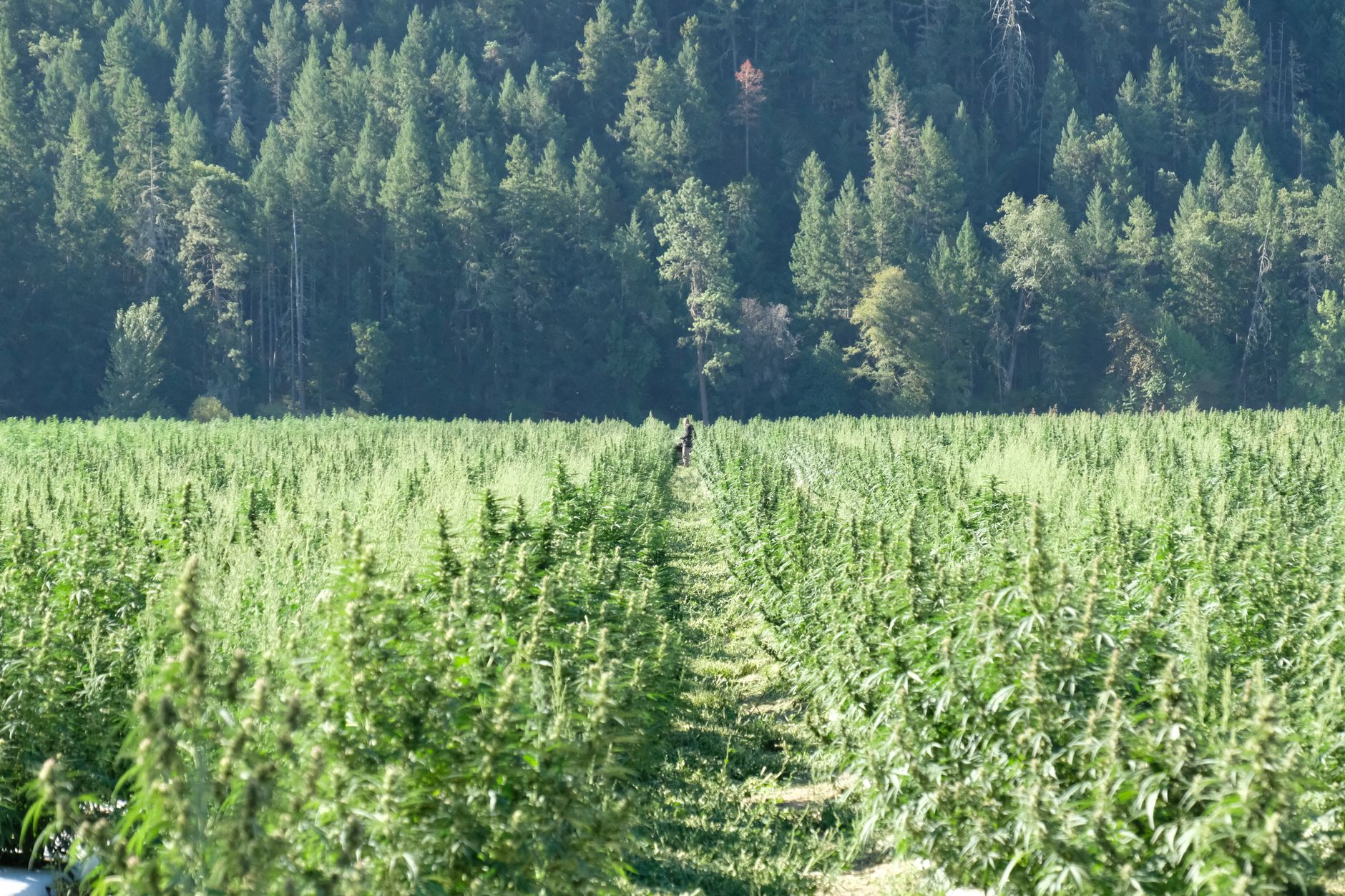
Navigating Cannabis Cultivation California Laws
August 17, 2026 14 min read 2,829 words
Understand the complex legal landscape for growing cannabis in California, from personal use to commercial operations.
Start Cultivating Legally
Understanding Personal Cannabis Cultivation Regulations in California
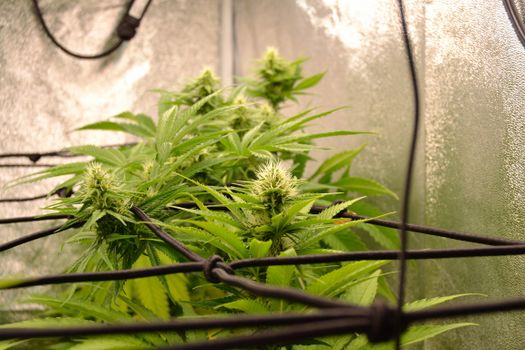 Photo: MySeeds DE / Pexels
California's journey to legalizing cannabis cultivation has been a nuanced one, beginning with Proposition 215 in 1996 for medical use and evolving significantly with Proposition 64, the Adult Use of Marijuana Act (AUMA), passed in 2016. AUMA fundamentally reshaped the legal landscape, allowing adults 21 years or older to cultivate cannabis for personal use. However, this right comes with specific limitations and crucial caveats that every Californian must understand to avoid legal pitfalls. The cornerstone of personal cultivation law is the limit of six living cannabis plants per private residence, regardless of the number of adults residing there. This isn't six plants per person, but per household. This distinction is vital for compliance. For instance, if four adults live in one home, they are still collectively limited to six plants. These plants must be cultivated in a locked area, not visible from a public place. This means no outdoor grows easily spotted from the street or a neighbor's yard. Privacy and security are paramount. The intent behind this rule is to prevent public nuisance and unauthorized access, particularly by minors. Furthermore, local jurisdictions retain significant authority to enact their own ordinances regarding personal cultivation. While state law permits six plants, a city or county can impose stricter rules, including outright bans on outdoor cultivation or even indoor cultivation in specific zoning areas. Some municipalities may require permits or registrations even for personal grows. It is absolutely critical to check with your local planning or code enforcement department before you start growing. Ignorance of local laws is not a valid defense. For instance, some cities might allow indoor cultivation but prohibit outdoor cultivation entirely, while others may require specific ventilation systems or security measures. Violations of these local ordinances, even for personal cultivation, can result in fines, property liens, or even criminal charges, depending on the severity and local enforcement policies. The plant material harvested from these six plants is also subject to possession limits. An individual can possess up to 28.5 grams of dried cannabis or 8 grams of concentrated cannabis. While there isn't a specific limit on how much fresh plant material you can have from your personal grow, once dried, it must fall within these possession limits. This implies that personal cultivators should manage their harvest to remain compliant with possession laws. The sale or distribution of personally cultivated cannabis is strictly prohibited. Any exchange of cannabis for money, services, or other goods, even small amounts, constitutes illegal commercial activity and can lead to severe penalties, including felony charges. This distinction between personal use and commercial activity is a bright line in California cannabis law. Understanding these nuances is the first step toward responsible and legal cannabis cultivation in the Golden State. For more detailed information on general cannabis laws, visit
California's cannabis regulations.
Navigating Commercial Cannabis Cultivation Licensing and Compliance
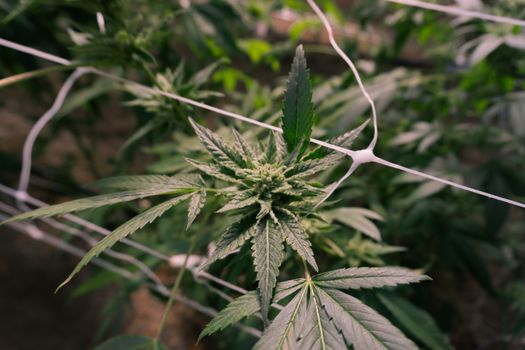 Photo: Haley Bee / Pexels
For those aspiring to move beyond personal cultivation and establish a commercial cannabis operation in California, the landscape transforms into a highly regulated and complex maze of state and local requirements. The state's commercial cannabis industry is overseen by the Department of Cannabis Control (DCC), which consolidated various licensing authorities under one umbrella for greater efficiency and oversight. Commercial cultivation licenses are categorized based on the size of the cultivation area and the cultivation environment (e.g., indoor, outdoor, mixed-light). These categories range from Type 1 (Specialty Outdoor, up to 5,000 sq ft) to Type 5 (Large Outdoor, over 22,000 sq ft), with numerous sub-types addressing specific methodologies like nursery operations or microbusinesses. Each license type carries its own set of requirements, fees, and operational constraints. The application process for a state commercial cultivation license is rigorous and multi-faceted. It demands comprehensive business plans, environmental impact assessments, detailed security plans, and proof of compliance with local ordinances. Applicants must demonstrate that they have secured all necessary local permits and approvals before the DCC will issue a state license. This sequential process means that local approval is the critical first hurdle for any commercial aspiring cultivator. Local jurisdictions wield immense power in California's commercial cannabis framework. They can choose to ban commercial cannabis activity entirely, limit the number of licenses issued, restrict cultivation to specific zoning areas, or impose additional operating requirements and taxes. Many cities and counties have enacted their own extensive permitting processes, which can be as demanding, if not more so, than the state's requirements. These local permits often involve public hearings, environmental reviews, and significant application fees, adding layers of complexity and cost to the startup phase. Beyond licensing, commercial cultivators must adhere to a stringent set of operational and environmental regulations. This includes strict water usage requirements, pesticide restrictions, waste management protocols, and energy efficiency standards. California, being at the forefront of environmental protection, mandates that cannabis operations minimize their ecological footprint. For instance, cultivators must track water usage, ensure runoff does not contaminate natural water sources, and use only pesticides approved for cannabis cultivation by the state. The DCC also enforces strict seed-to-sale tracking systems, such as Metrc, which require licensees to meticulously document every plant from propagation through harvest, processing, and sale. This ensures product safety, prevents diversion to the illicit market, and provides transparency throughout the supply chain. Compliance with these tracking systems is non-negotiable and requires significant technological investment and operational discipline. Failure to comply with state and local regulations can result in substantial fines, license suspension or revocation, and even criminal prosecution. The financial investment required to establish and maintain a compliant commercial cultivation operation is significant, encompassing licensing fees, facility build-out, operational costs, and ongoing compliance expenses. Understanding and navigating these intricate requirements is paramount for any commercial cultivator seeking success and longevity in California's legal cannabis market.
Environmental and Safety Standards for Cannabis Cultivation
 Photo: MART PRODUCTION / Pexels
California's commitment to environmental protection extends significantly to the cannabis industry, imposing rigorous standards on cultivators to minimize ecological impact and ensure product safety. These environmental regulations are crucial for sustainable cannabis production and are enforced by various state agencies in conjunction with the Department of Cannabis Control (DCC). Water usage is a primary concern in California, a state frequently battling drought conditions. Commercial cannabis cultivators are required to develop comprehensive water management plans, demonstrating how they will source water legally and use it efficiently. This often involves implementing advanced irrigation techniques, such as drip systems, and exploring water recapture and recycling methods. Cultivators must also prevent runoff that could contaminate natural water bodies, adhering to strict discharge limits and erosion control measures. The Regional Water Quality Control Boards play a significant role in overseeing these aspects. Pesticide use is another highly regulated area. To protect consumers and the environment, California has compiled a list of approved pesticides that can be used on cannabis plants. The use of unapproved or restricted pesticides can lead to severe penalties, including product recalls, fines, and license revocation. All cannabis products sold in California must undergo rigorous testing for pesticides, heavy metals, residual solvents, and microbial contaminants before they can reach the consumer market. This testing regime is a cornerstone of California's consumer safety efforts and requires cultivators to maintain meticulous records of all inputs and practices. Waste management is also heavily regulated. Cannabis waste, including plant material, used growing media, and packaging, must be rendered unusable and disposed of in an environmentally sound manner. The DCC provides specific guidelines on how to destroy cannabis waste to prevent its diversion to the illicit market. This often involves mixing it with other waste materials to create an unusable composite. Energy efficiency is increasingly becoming a focus, particularly for indoor and mixed-light cultivation operations. California encourages cultivators to adopt energy-saving technologies and practices, such as LED lighting, efficient HVAC systems, and renewable energy sources. Some local jurisdictions may even offer incentives or require specific energy efficiency certifications. Beyond environmental concerns, worker safety is paramount. Commercial cultivation facilities must comply with California Occupational Safety and Health Administration (Cal/OSHA) standards, ensuring a safe working environment for all employees. This includes providing appropriate personal protective equipment (PPE), training on chemical handling, and maintaining safe equipment operation. Security measures are also a significant part of the safety standards. Commercial facilities must implement robust security plans, including alarm systems, surveillance cameras, access control, and secure storage for cannabis products. These measures are designed to prevent theft, diversion, and unauthorized access, protecting both the product and the public. Adherence to these comprehensive environmental and safety standards is not just a legal obligation but also a vital component of responsible and ethical cannabis cultivation in California. For more on the broader legal framework, consider exploring
California's cannabis industry regulations.
Common Mistakes and Best Practices in California Cannabis Cultivation
 Photo: RDNE Stock project / Pexels
Navigating the complex world of cannabis cultivation California laws can be daunting, and even experienced growers can stumble if they're not meticulous. Avoiding common mistakes and adopting best practices are crucial for both personal and commercial cultivators to ensure compliance and cultivate successfully.
**Common Mistakes to Avoid:**
* **Ignoring Local Ordinances:** This is perhaps the most frequent and costly error. Many assume state law is the only law. Cities and counties often have stricter rules, including bans on outdoor grows or specific zoning requirements. Always check with your local municipality before planting.
* **Exceeding Plant Limits (Personal Use):** The 6-plant limit is per residence, not per person. Overplanting can lead to fines, confiscation, and even criminal charges.
* **Lack of Discreet Cultivation:** For personal grows, plants must not be visible from public spaces. Failing to obscure your plants can lead to complaints, investigations, and penalties.
* **Selling Personally Grown Cannabis:** Any exchange for value, even a small amount, constitutes illegal commercial activity. This is a bright line that can lead to severe legal consequences.
* **Neglecting Environmental Regulations (Commercial):** Water waste, improper pesticide use, and inadequate waste disposal are major red flags for regulators. These can result in hefty fines and license revocation.
* **Inadequate Security (Commercial):** Insufficient security measures make commercial operations vulnerable to theft and diversion, leading to regulatory penalties and potential loss of product.
* **Poor Record-Keeping (Commercial):** Failure to meticulously track plants, sales, and inventory through the state's seed-to-sale system (Metrc) is a major compliance violation.
* **Ignoring Worker Safety (Commercial):** Non-compliance with Cal/OSHA standards can result in workplace injuries, fines, and legal action.
**Best Practices for Compliant Cultivation:**
* **Thorough Local Research:** Before you start, contact your city and county planning/code enforcement departments. Get everything in writing if possible.
* **Secure & Discreet Setup:** For personal grows, ensure your plants are in a locked area, out of public view. Consider indoor cultivation with proper ventilation.
* **Understand Your License Type (Commercial):** Be intimately familiar with the specific requirements, limitations, and reporting obligations of your state and local licenses.
* **Invest in Compliance Software/Consultants:** For commercial operations, specialized software can help manage seed-to-sale tracking, and legal consultants can guide you through complex regulations.
* **Sustainable Cultivation Practices:** Adopt water-saving irrigation, approved organic pesticides, and energy-efficient lighting to meet environmental standards and reduce operational costs.
* **Robust Security Systems:** Implement high-quality surveillance, access control, and alarm systems for commercial facilities to prevent theft and ensure regulatory compliance.
* **Ongoing Training:** Train all staff on compliance, safety protocols, and proper operating procedures. Regular refreshers are vital.
* **Stay Updated:** California's cannabis laws are dynamic. Regularly check the DCC website and local government portals for updates and changes to regulations. Joining industry associations can also provide valuable insights and support.