Cannabis for Chronic Pain Relief: Your Canadian Guide
cannabis for chronic pain relief

Cannabis for Chronic Pain Relief: Your Canadian Guide

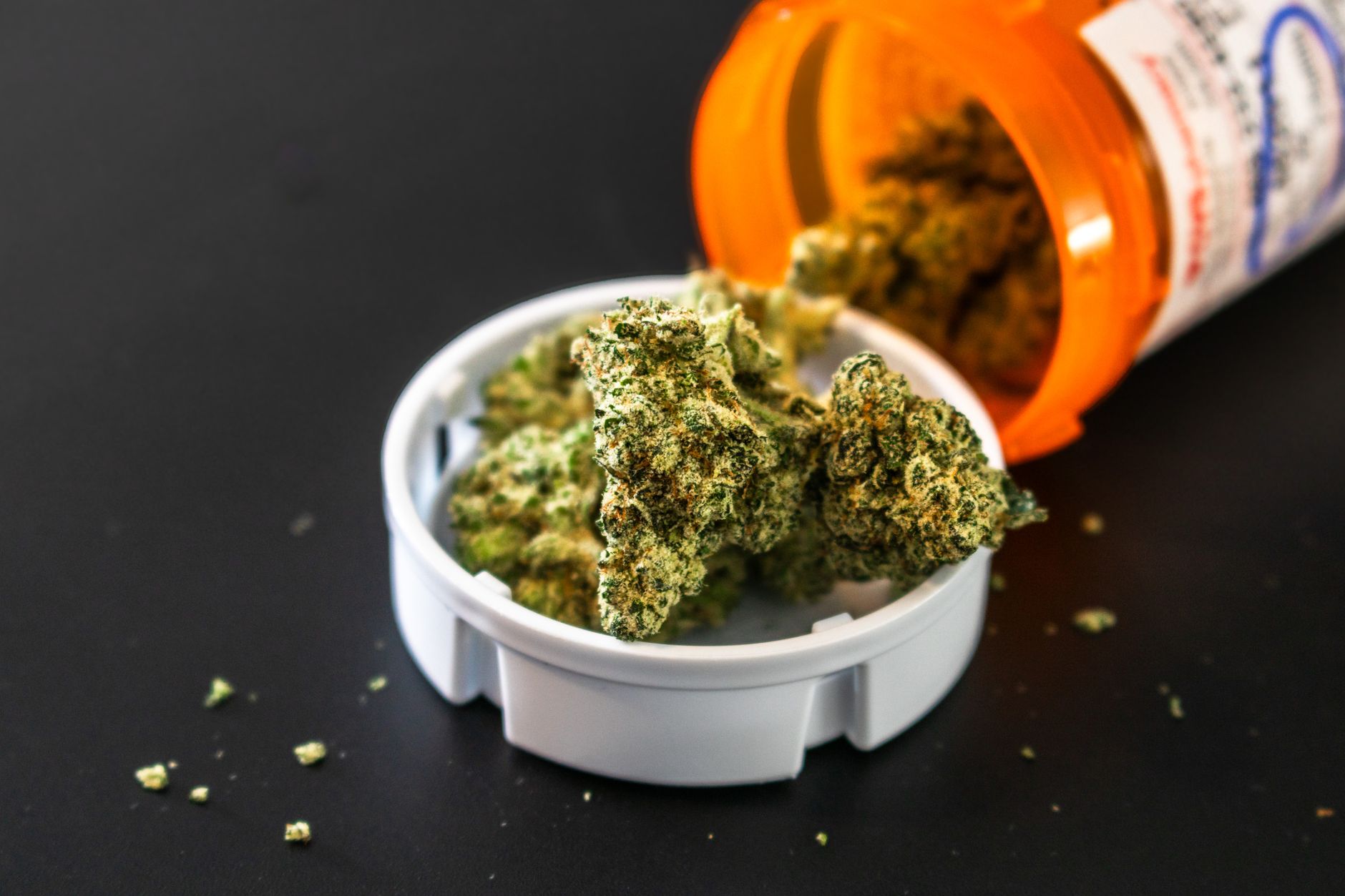
Close-up of medical cannabis spilling from an orange prescription bottle onto a surface.Photo: Terrance Barksdale / Pexels

Cannabis for Chronic Pain Relief: Your Canadian Guide

Uncover natural, effective strategies to manage your chronic pain and improve your quality of life in Canada.

Start Your Journey

Key Takeaways

  • ✓ Cannabis interacts with the body's endocannabinoid system to modulate pain.
  • ✓ Both THC and CBD, and other cannabinoids, contribute to pain relief, often synergistically.
  • ✓ Legal access to medical cannabis for chronic pain is available across Canada with a healthcare practitioner's authorization.
  • ✓ Dosage, strain selection, and consumption method are crucial for personalized and effective pain management.

How It Works

1
Consult a Healthcare Professional

Before starting, discuss your chronic pain and interest in cannabis with a doctor. They can provide guidance and, if appropriate, a medical authorization.

2
Understand Cannabinoids & Terpenes

Learn about THC, CBD, and other compounds. Different ratios and terpene profiles can significantly impact the type and intensity of pain relief you experience.

3
Choose Your Product & Method

Select from dried flower, oils, edibles, topicals, or vapes. Each offers distinct onset times, durations, and effects, allowing for tailored relief.

4
Start Low, Go Slow

Begin with a very small dose and gradually increase until you find the minimum effective dose. This minimizes potential side effects and optimizes therapeutic benefits.

Understanding Chronic Pain and the Endocannabinoid System
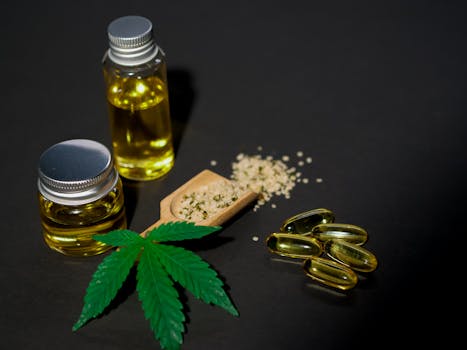
High-quality image featuring cannabis oil, seeds, leaves, and capsules on a dark background.Photo: Kindel Media / Pexels
Chronic pain is a pervasive and debilitating condition affecting millions of Canadians, significantly impacting their quality of life, mental health, and daily functioning. Unlike acute pain, which serves as a warning signal for injury or illness, chronic pain persists for extended periods, often beyond normal healing time, and can stem from various sources such as neuropathic conditions, inflammatory diseases, musculoskeletal issues, or even unknown origins. The complexity of chronic pain lies in its multifaceted nature, involving not just physical sensations but also psychological and emotional dimensions. Traditional pain management often relies on pharmaceuticals like opioids, NSAIDs, and antidepressants, which, while effective for some, can come with significant side effects, risks of dependence, and varying degrees of efficacy. This has spurred a growing interest in alternative and complementary therapies, with cannabis emerging as a promising contender. The scientific understanding of how cannabis interacts with the human body to alleviate pain centers around the endocannabinoid system (ECS). Discovered in the early 1990s, the ECS is a complex cell-signaling system present in all mammals, playing a crucial role in regulating a wide range of physiological processes, including pain sensation, mood, appetite, sleep, and immune response. It comprises three main components: endocannabinoids (naturally produced cannabis-like molecules in the body), cannabinoid receptors (CB1 and CB2, located throughout the brain and body), and enzymes that break down endocannabinoids. When external cannabinoids, such as those found in the cannabis plant (phytocannabinoids like THC and CBD), are introduced into the body, they interact with these CB1 and CB2 receptors. THC primarily binds to CB1 receptors, which are abundant in the brain and central nervous system, influencing pain perception, mood, and motor control. This interaction is largely responsible for the psychoactive effects of cannabis but also contributes significantly to its analgesic properties. CBD, on the other hand, has a lower affinity for direct binding to CB1 and CB2 receptors. Instead, it modulates the ECS by influencing other receptors and enzymes, enhancing the body's natural endocannabinoids, and exhibiting anti-inflammatory and neuroprotective effects. The synergistic interaction between THC, CBD, and other lesser-known cannabinoids and terpenes (aromatic compounds in cannabis) is often referred to as the 'entourage effect.' This theory suggests that these compounds work together to produce a more profound and comprehensive therapeutic effect than any single compound in isolation. For chronic pain, this means that a full-spectrum cannabis product, containing a range of cannabinoids and terpenes, might offer superior relief compared to isolated compounds. Understanding the ECS and how cannabis modulates its activity is fundamental to appreciating the potential of cannabis for chronic pain relief. It provides a scientific basis for why many individuals find relief from various types of pain, from neuropathic to inflammatory, by incorporating cannabis into their pain management strategies. As research continues to unfold, our understanding of these intricate mechanisms will only deepen, paving the way for more targeted and effective cannabis-based therapies.

Navigating Canadian Legalities and Access for Medical Cannabis

Close-up of cannabis packaging with a THC warning label on a purple background, highlighting safety and regulatory compliance.Photo: Sadi Hockmuller / Pexels
Canada has been at the forefront of cannabis legalization, first for medical purposes in 2001 and then for recreational use in 2018. This progressive stance has created a structured, though sometimes complex, pathway for individuals seeking cannabis for chronic pain relief. For medical purposes, the system is regulated federally by Health Canada under the Cannabis Act. To legally access medical cannabis, individuals must first obtain a medical document (similar to a prescription) from a healthcare practitioner licensed in Canada. This can be a physician or, in some provinces, a nurse practitioner. The healthcare practitioner assesses the patient's condition, determines if cannabis is an appropriate treatment option for their chronic pain, and specifies the daily authorized amount. Once a medical document is obtained, patients have several avenues for access. They can register with a licensed producer (LP) and order products directly online or by phone for delivery. LPs offer a wide range of products, including dried flower, oils, capsules, edibles, and topicals, often with specific cannabinoid profiles tailored for different conditions. Alternatively, patients can register to grow their own cannabis or designate someone to grow it for them, adhering to strict Health Canada regulations regarding plant count and security. It's crucial to understand that while recreational cannabis is legal, accessing cannabis through the medical system offers distinct advantages for chronic pain patients. Medically authorized patients often benefit from higher potency products, a wider selection of strains specifically bred for therapeutic effects, and potentially lower prices due to medical exemptions from certain taxes. Furthermore, some private insurance plans may offer coverage for medical cannabis, a benefit typically not extended to recreational purchases. Provincial and territorial regulations also play a role, particularly concerning the sale and distribution of recreational cannabis. While medical cannabis is federally regulated, provinces and territories oversee recreational sales, often through government-run stores or private retailers. For chronic pain patients, it's essential to differentiate between these two pathways. Relying on recreational channels for chronic pain management might mean missing out on the personalized guidance, specific product formulations, and potential cost savings available through the medical system. When considering cannabis for chronic pain relief in Canada, it's vital to choose a healthcare practitioner who is knowledgeable about medical cannabis. Many specialized clinics have emerged that focus on cannabis therapy, offering consultations and guidance on dosing, strain selection, and consumption methods. These clinics can be invaluable resources for patients new to cannabis or those struggling to find effective relief through conventional means. Staying informed about current regulations and seeking professional medical advice ensures safe, legal, and effective access to cannabis as a therapeutic option for chronic pain. The Canadian framework, while robust, requires patients to be proactive in understanding their rights and responsibilities to harness the full potential of medical cannabis for their health needs.

Choosing the Right Cannabis Product and Dosage for Pain Management

High-quality CBD products in bottles and boxes on a neutral background, ideal for wellness concepts.Photo: Elsa Olofsson / Pexels
Selecting the appropriate cannabis product and determining the correct dosage are critical steps for effective chronic pain relief and minimizing unwanted side effects. This personalized approach is often referred to as 'titration,' meaning starting with a low dose and gradually increasing it until the desired therapeutic effect is achieved. The vast array of cannabis products available can be overwhelming, but understanding the key differences can help guide your choice. Dried flower, consumed via vaporization or smoking, offers rapid onset (minutes) and a shorter duration of effect (2-4 hours). This makes it suitable for acute pain flare-ups or when immediate relief is needed. However, the rapid onset can also make it easier to overconsume. Cannabis oils and capsules provide a more delayed onset (30-90 minutes) but a significantly longer duration (6-8 hours or more). This makes them ideal for sustained relief throughout the day or night, particularly for chronic, persistent pain. The precise dosing offered by oils and capsules also allows for better control and consistency. Edibles, similar to oils and capsules, have a delayed and prolonged effect, but their potency can be harder to gauge, and the effects can be more intense due to how THC is metabolized in the liver. Topicals, such as creams and balms, are applied directly to the skin for localized pain relief. They are non-psychoactive and interact with cannabinoid receptors in the skin, making them excellent for muscle aches, arthritis, and localized neuropathic pain without systemic effects. The choice between THC-dominant, CBD-dominant, or balanced (1:1 THC:CBD) products is another crucial consideration. THC is known for its potent analgesic and anti-inflammatory properties, often providing immediate relief and a sense of euphoria, which can distract from pain. However, it also carries the risk of psychoactive effects like anxiety or paranoia, especially at higher doses. CBD, while non-intoxicating, offers significant anti-inflammatory, anxiolytic, and neuroprotective benefits, often tempering the psychoactive effects of THC. Many chronic pain patients find a balanced THC:CBD ratio or a CBD-dominant product to be most effective, leveraging the therapeutic benefits of both cannabinoids without excessive psychoactivity. When it comes to dosage, the 'start low, go slow' mantra is paramount. Begin with the lowest possible dose (e.g., 2.5 mg of THC or CBD) and wait at least 2 hours (for edibles/oils) or 15 minutes (for inhalation) before considering another dose. Gradually increase the dose over several days or weeks until you find the minimum amount that provides effective relief with tolerable side effects. Keeping a journal to track doses, products used, and their effects can be incredibly helpful in this process. Consulting with a healthcare professional or a cannabis educator specializing in medical cannabis is highly recommended. They can provide personalized recommendations based on your specific pain condition, medical history, and individual sensitivities. Understanding the nuances of different strains, their terpene profiles, and how they interact with your body is key to unlocking the full potential of cannabis for chronic pain relief.

Maximizing Benefits and Avoiding Common Mistakes with Cannabis for Pain

Close-up of a tattooed hand holding a lit joint outdoors at night with a blurred background.Photo: Erik Mclean / Pexels
While cannabis offers significant promise for chronic pain relief, maximizing its therapeutic benefits and avoiding common pitfalls requires a thoughtful and informed approach. One of the most critical aspects is consistency. For chronic pain, regular, consistent dosing, often across several weeks, can be more effective than sporadic use. This allows the body's endocannabinoid system to stabilize and respond more effectively to the cannabinoids. Adhering to a schedule, especially with longer-acting forms like oils or edibles, can help maintain a steady level of cannabinoids in the system, providing more consistent pain management. Another key to maximizing benefits lies in understanding the entourage effect. Beyond THC and CBD, cannabis contains hundreds of other compounds, including minor cannabinoids (like CBG, CBN, THCV) and terpenes. These compounds work synergistically to enhance therapeutic effects and mitigate potential side effects. For example, the terpene myrcene is known for its sedative properties, while limonene can elevate mood. Choosing full-spectrum or broad-spectrum products that retain a diverse array of these compounds can often lead to more comprehensive pain relief than isolated cannabinoids. Experimenting with different strains or product types that have varying terpene profiles can help you discover what works best for your specific pain. Avoiding common mistakes is equally important. **Common Mistakes to Avoid:** * **Overdosing, especially with THC:** Starting with too high a dose, particularly of THC, can lead to undesirable psychoactive effects like anxiety, paranoia, or sedation, which can deter individuals from continuing treatment. Always start low and increase gradually. * **Impatience:** Cannabis therapy is not a quick fix. It may take time and experimentation to find the right product, dose, and consumption method that works for your unique chronic pain condition. Be patient and consistent. * **Ignoring consumption method:** The method of consumption significantly impacts onset and duration. Relying solely on fast-acting methods for chronic, persistent pain might lead to inconsistent relief, while slow-acting methods might not address acute flare-ups quickly enough. A combination approach might be best for some. * **Self-medicating without guidance:** While cannabis is increasingly accessible, professional guidance from a healthcare practitioner or a cannabis educator is invaluable. They can help navigate the complexities of strains, dosages, and potential drug interactions. * **Using recreational products for medical needs:** Recreational products may not offer the same level of quality control, consistent dosing, or specific cannabinoid profiles found in medical cannabis products. Moreover, they lack the professional guidance that accompanies medical authorization. * **Neglecting lifestyle factors:** Cannabis is a tool for pain management, but it works best when integrated into a holistic approach that includes diet, exercise, stress management, and other therapies. It's not a standalone cure. By being mindful of these factors, chronic pain patients in Canada can more effectively harness the therapeutic potential of cannabis, leading to improved pain management and an enhanced quality of life.

Comparison

FeatureMedical Cannabis (LP)Recreational Cannabis (Retail)Opioids (Prescription)
Access MethodHealthcare Practitioner AuthorizationRetail Stores/OnlineDoctor's Prescription
Product VarietyExtensive (specific ratios, medical focus)Good (general use)Limited to pharmaceutical options
Price/TaxPotentially lower (tax exemptions, insurance)Higher (full taxes)Varies (insurance, co-pay)
Professional GuidanceHigh (doctors, educators)LimitedHigh (doctors)
Side EffectsMild (dry mouth, dizziness, paranoia at high THC)Similar to medical, more risk with unknown dosageSevere (addiction, constipation, nausea, respiratory depression)
Psychoactive Potential✓ (THC products)✓ (THC products)✗ (sedation possible)
Legal Status (CA)Federally regulated, legalProvincially regulated, legalFederally regulated, legal (controlled substance)

What Our Readers Say

5 ★★★★★

"After years of suffering from fibromyalgia, using cannabis for chronic pain relief has been a game-changer. I use a 1:1 CBD:THC oil nightly, and it helps me sleep and significantly reduces my widespread pain. I feel like I've got my life back."

5 ★★★★★

"My neuropathic pain was debilitating, and traditional meds weren't cutting it. My doctor suggested medical cannabis, and now a high-CBD strain with a touch of THC helps me manage the burning and tingling. It's not a cure, but it makes life bearable again."

5 ★★★★★

"I was skeptical, but cannabis edibles for my chronic back pain have been incredibly effective. I take one before bed, and it helps me get uninterrupted sleep, something I hadn't experienced in years. My pain levels have dropped from an 8 to a 3 on most days."

4 ★★★★☆

"Cannabis has helped with my arthritis pain, especially the inflammation. I prefer a CBD-dominant topical during the day and a balanced oil at night. Sometimes the THC makes me a bit drowsy, but the relief is worth it, and I'm still adjusting my dose."

5 ★★★★★

"As a veteran with chronic PTSD and related body pain, cannabis has been a lifeline. It calms my anxiety and reduces muscle tension, allowing me to engage more fully in my physical therapy. It's truly holistic relief."

Frequently Asked Questions

What is the best cannabis strain for chronic pain relief?
There isn't a single 'best' strain, as effectiveness is highly individual. Generally, strains high in CBD, or balanced 1:1 THC:CBD strains, are recommended for chronic pain due to their anti-inflammatory and analgesic properties without overwhelming psychoactivity. Indicas are often preferred for their relaxing, body-focused effects, while some Sativas can help with pain and mood during the day. Experimentation with professional guidance is key.
Will cannabis make me high if I'm using it for pain?
Whether cannabis makes you 'high' depends on the THC content of the product you use. THC is the psychoactive component. If you choose CBD-dominant products or very low-THC options, you can experience pain relief without significant intoxicating effects. Balanced THC:CBD products can offer a therapeutic balance, and starting with low doses helps manage psychoactivity.
How do I get a medical cannabis authorization in Canada for chronic pain?
To get a medical cannabis authorization in Canada, you need to consult a healthcare practitioner (physician or nurse practitioner) licensed in your province. They will assess your chronic pain condition and medical history. If they deem cannabis appropriate, they will provide you with a medical document, which you can then use to register with a licensed producer or for personal cultivation.
How much does medical cannabis for chronic pain cost in Canada?
The cost of medical cannabis in Canada varies widely depending on the product type, potency, and licensed producer. Prices can range from $5-$15 per gram for dried flower, and oils/edibles are priced accordingly. Some private insurance plans may cover medical cannabis, and patients may be eligible for tax deductions. It's essential to research licensed producers and their pricing structures.
How does cannabis compare to traditional pain medications like opioids?
Cannabis offers a different mechanism of action for pain relief compared to opioids. While opioids act on opioid receptors and carry significant risks of addiction and severe side effects, cannabis interacts with the endocannabinoid system, generally presenting a lower risk of dependence and milder side effects. Cannabis is often considered for patients who haven't found relief with traditional methods or are seeking to reduce opioid use, though it may not be suitable for all types of severe acute pain.
Who should consider using cannabis for chronic pain relief?
Individuals suffering from various types of chronic pain, including neuropathic pain, inflammatory pain (e.g., arthritis), fibromyalgia, and cancer-related pain, who have not found adequate relief from conventional treatments or are looking for alternatives with fewer side effects, should consider discussing cannabis with their healthcare provider. It's particularly relevant for those seeking to reduce reliance on opioids.
Are there any side effects or risks associated with using cannabis for chronic pain?
Yes, common side effects can include dry mouth, red eyes, dizziness, drowsiness, and altered perception. At higher THC doses, some individuals may experience anxiety, paranoia, or impaired coordination. Long-term risks are still being studied but may include respiratory issues if smoking, and potential for dependence in some individuals. It's important to discuss all potential risks and interactions with your healthcare provider.
What are the future trends for cannabis and chronic pain management in Canada?
Future trends include continued research into specific cannabinoid and terpene profiles for targeted pain relief, development of novel delivery methods for precise dosing, and increased integration of cannabis into mainstream pain management protocols. We may see more personalized cannabis therapies based on individual genetic profiles and a greater understanding of the entourage effect, leading to more refined and effective products.

Embrace a new path to relief. If you're living with chronic pain in Canada, explore the potential of cannabis for chronic pain relief with your healthcare provider today. Discover how tailored cannabis therapy can improve your well-being and empower you to live a more comfortable life.

Topics: cannabis for chronic pain reliefmedical cannabis CanadaCBD for painTHC pain managementchronic pain solutions
Leo List
Brampton weed
Adultwork