Navigating Cannabis Consumption Limits California: Your Essential Guide
cannabis consumption limits California

Navigating Cannabis Consumption Limits California: Your Essential Guide

Master California's complex cannabis laws to ensure legal and responsible consumption, protecting yourself and your peace of mind.

Understand the Rules

Key Takeaways

  • ✓ Adults 21+ can possess up to 28.5 grams of flower and 8 grams of concentrate.
  • ✓ Public consumption of cannabis is generally prohibited statewide.
  • ✓ Driving under the influence of cannabis is illegal and carries severe penalties.
  • ✓ Cannabis edibles have a 10mg THC per serving limit, with a total of 100mg per package.

How It Works

1
Know Your Age

Only individuals 21 years or older can legally purchase, possess, and consume recreational cannabis in California. Proper identification is always required for purchases.

2
Understand Possession Limits

Familiarize yourself with the specific quantities of cannabis flower, concentrates, and edibles you are legally allowed to possess. These limits apply to both at home and in public.

3
Identify Legal Consumption Zones

Recognize that public consumption is largely prohibited. Plan to consume cannabis only in private residences or at state-licensed consumption lounges, where available.

4
Comply with Transportation Rules

Learn how to legally transport cannabis in your vehicle, ensuring it is in a sealed container and out of reach of the driver. Never consume while driving.

Understanding California's Adult-Use Cannabis Laws and Possession Limits
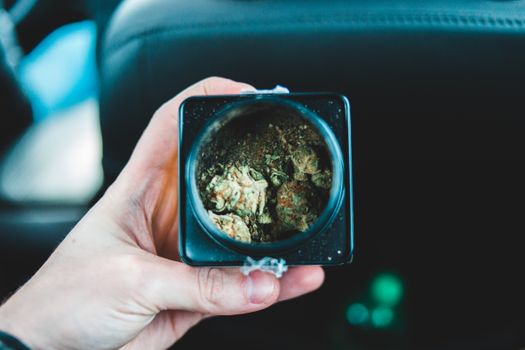
From above anonymous person showing box with marijuana while sitting on back seat of car Photo: Erik Mclean / Pexels
California's journey to legalizing adult-use cannabis has been a long and winding one, culminating in the passage of Proposition 64, the Adult Use of Marijuana Act (AUMA), in 2016. This landmark legislation fundamentally reshaped the landscape of cannabis in the Golden State, establishing a comprehensive regulatory framework for cultivation, manufacturing, distribution, testing, and retail sales. However, with this newfound freedom comes a crucial responsibility: understanding and adhering to the specific cannabis consumption limits California has put in place. These limits are not arbitrary; they are designed to balance individual liberties with public safety and health concerns, ensuring that the legal cannabis market operates in an orderly and responsible manner. For any adult aged 21 or older, the core of these regulations revolves around possession limits. Specifically, individuals are legally permitted to possess up to 28.5 grams (approximately one ounce) of non-concentrated cannabis, which primarily refers to dried flower. This amount is generally considered sufficient for personal use over a reasonable period. Beyond flower, the law also addresses concentrated cannabis products. Adults can possess up to 8 grams of concentrated cannabis, a category that includes products like oils, waxes, shatter, and edibles. It's important to note that edibles, while concentrated, also have their own specific potency limits, which we will delve into further. These possession limits apply whether the cannabis is at your home, on your person, or in your vehicle, as long as it is stored appropriately. The intent is to allow for personal use without facilitating illicit distribution or large-scale unauthorized sales. Exceeding these limits can lead to legal consequences, ranging from fines to more severe penalties depending on the quantity involved and other aggravating factors. For medical cannabis patients, the rules are slightly different and often more lenient, reflecting their specific health needs. Medical patients with a valid doctor's recommendation and a state-issued medical marijuana identification card may possess larger quantities of cannabis, typically up to 8 ounces of dried cannabis, and may also be allowed to cultivate more plants than recreational users. It's crucial for medical patients to carry their recommendation or ID card at all times when possessing quantities exceeding the adult-use limits to avoid potential legal issues. The distinction between recreational and medical use is a key component of California's regulatory scheme, acknowledging the different purposes and needs of these two user groups. Understanding these foundational possession limits is the first and most critical step for anyone engaging with the legal cannabis market in California, setting the stage for navigating the more nuanced aspects of consumption and transportation. Without a clear grasp of these basic rules, consumers risk inadvertent non-compliance, which can undermine the very benefits of legalization.

Where Can You Legally Consume Cannabis in California? Public vs. Private
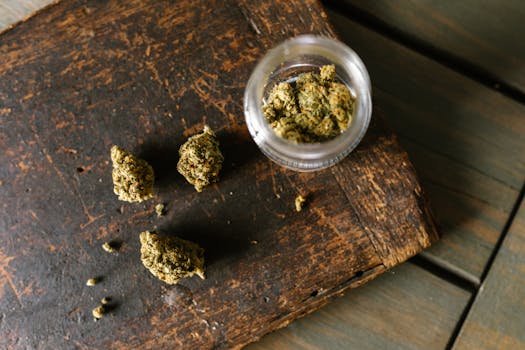
Cannabis buds scattered on a rustic wooden surface with an open jar. Photo: RDNE Stock project / Pexels
One of the most frequently misunderstood aspects of California's cannabis laws pertains to where consumption is legally permitted. While buying and possessing cannabis is legal for adults 21+, the ability to consume it is significantly more restricted, particularly in public spaces. The general rule of thumb is that public consumption of cannabis is illegal throughout the state. This prohibition extends to a wide array of locations that one might consider public, including sidewalks, parks, beaches, restaurants, bars, and even within a vehicle on a public road. The rationale behind this restriction is multifaceted, aiming to prevent public intoxication, minimize secondhand smoke exposure, and maintain a certain level of social decorum. Violating public consumption laws can result in fines and other penalties, so it's essential to be aware of your surroundings and exercise discretion. This blanket prohibition means that even if you've legally purchased cannabis from a licensed dispensary, you cannot simply light up a joint or consume an edible while walking down the street or sitting in a public park. The law treats cannabis consumption similarly to alcohol consumption in public spaces – it's generally not allowed. This can be a source of confusion for new consumers, especially those accustomed to more liberal public consumption norms in other jurisdictions or for those who mistakenly equate legalization with unlimited freedom to consume anywhere. So, if public consumption is largely off-limits, where can you legally enjoy cannabis? The primary and safest place for consumption is a private residence. This includes your own home or the home of a friend, provided the property owner or resident permits cannabis use. It's important to note that landlords can prohibit cannabis use on their rental properties, so renters should always check their lease agreements. For those who don't have a private space or wish to consume socially outside of a home, California has begun to license designated cannabis consumption lounges. These are businesses, often co-located with dispensaries, that have obtained specific state and local permits to allow on-site cannabis consumption. These lounges offer a regulated and safe environment for consumers to enjoy cannabis products, often providing a social atmosphere. However, the availability of consumption lounges varies significantly by city and county, as local jurisdictions have the authority to decide whether to permit them. Therefore, it's advisable to research local regulations and the availability of such lounges in your area if you plan to consume outside of a private residence. It is also strictly forbidden to consume cannabis in places where tobacco smoking is prohibited, such as within 1,000 feet of a school, daycare center, or youth center while children are present. This further reinforces the state's commitment to protecting minors from cannabis exposure. Understanding these geographical restrictions is paramount to remaining compliant with California's cannabis laws and enjoying cannabis responsibly and legally.

Navigating Edible Potency and Concentrates: Specific Cannabis Consumption Limits California
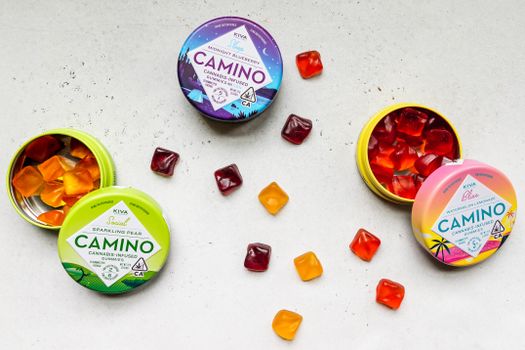
Colorful CBD gummies in Camino branded packaging arranged artfully on a flat surface. Photo: Elsa Olofsson / Pexels
Beyond the general possession limits for dried flower and concentrates, California’s regulations delve into specific potency limits, particularly for edible cannabis products. This is a critical area for consumers, as edibles can have delayed and often more intense effects compared to inhaled cannabis, making precise dosing and clear labeling essential for safety. The state mandates that individual servings of edible cannabis products cannot exceed 10 milligrams (mg) of THC. Furthermore, a single package of edibles can contain a maximum of 100 mg of THC in total. This means that a package containing 100 mg of THC must be clearly divided into ten 10 mg servings, allowing consumers to easily control their dosage. This regulation is a direct response to concerns about accidental overconsumption, especially by novice users who might not be familiar with the delayed onset and prolonged effects of edibles. The 10 mg serving size is widely considered a standard single dose for recreational users, providing a manageable experience without being overwhelmingly potent for most. For those new to edibles, starting with an even smaller dose, such as 2.5 mg or 5 mg, and waiting at least an hour or two to assess the effects before consuming more, is a commonly recommended practice. The packaging requirements for edibles are also stringent. All edible products must be sold in child-resistant packaging, opaque, and clearly labeled with crucial information including the THC content per serving and per package, ingredients, allergens, and warnings about delayed effects. These measures are designed to prevent accidental ingestion by children and to ensure consumers are fully informed about the product they are consuming. When it comes to concentrated cannabis, while the possession limit is 8 grams, there aren't specific per-dose potency limits in the same way as edibles. However, all concentrated products must undergo rigorous testing for potency, pesticides, heavy metals, and residual solvents, with the THC content clearly displayed on the packaging. This allows consumers to understand the strength of the concentrate they are purchasing, which can often be very high (e.g., 70-90% THC). Consumers of concentrates, especially those using methods like dabbing, need to exercise caution due to the rapid onset and intense effects. Understanding these specific cannabis consumption limits California for edibles and the potency information for concentrates is vital for safe and responsible use. It empowers consumers to make informed choices, manage their experience, and avoid potential adverse effects from overconsumption. Always check the labels, start low and go slow, especially with new products, and prioritize safety.

Driving Under the Influence (DUI) of Cannabis and Transportation Rules

A collage of American culture with cannabis buds, matchsticks, and Los Angeles imagery on a wooden surface. Photo: RDNE Stock project / Pexels
Just as with alcohol, driving under the influence of cannabis is strictly illegal in California and carries severe penalties. While there isn't a specific 'per se' limit for THC in the bloodstream that automatically qualifies as impairment, similar to alcohol's 0.08% BAC, law enforcement officers are trained to recognize signs of impairment. If an officer determines that your driving ability is impaired by cannabis, you can be arrested and charged with a DUI. This can lead to hefty fines, license suspension, mandatory DUI education programs, and even jail time, particularly for repeat offenders. The state takes cannabis-impaired driving very seriously, emphasizing that 'Buzzed Driving Is Drunk Driving.' Therefore, the safest practice is to never drive after consuming cannabis, regardless of the amount. Always designate a sober driver or utilize ride-sharing services if you plan to consume. Beyond impairment, California law also has specific regulations regarding the transportation of cannabis in a vehicle. When transporting cannabis, it must be in a sealed container and kept out of the immediate reach of the driver and passengers. This generally means it should be in the trunk of the vehicle or in a securely sealed bag in the glove compartment or back seat. The intent is to prevent easy access and consumption while the vehicle is in motion. An open container of cannabis in the passenger cabin is illegal, even if you are not consuming it. This rule applies to both flower and cannabis products like edibles. Think of it similarly to open container laws for alcohol in a car. Moreover, it is illegal to consume cannabis in any form while driving or riding as a passenger in a vehicle. This includes smoking, vaping, or consuming edibles. These rules are designed to minimize distractions for the driver and to prevent public consumption, even within the confines of a private vehicle if it's on a public roadway. For medical cannabis patients, the same transportation rules generally apply. While they may possess larger quantities, it must still be transported securely and out of reach. Traveling across state lines with cannabis, even to another legal state, is also strictly prohibited as cannabis remains illegal under federal law. This means you cannot fly with cannabis, nor can you drive it across state borders. Understanding and adhering to these DUI and transportation rules is not just about avoiding legal trouble; it's about ensuring road safety for everyone. California's cannabis laws are designed to allow for responsible adult use, and that responsibility extends to how you consume and transport the product, especially when a vehicle is involved.

Comparison

FeatureRecreational (Adults 21+)Medical Patients (with ID Card)
Flower Possession Limit28.5 grams (1 ounce)8 ounces (or more with doctor's rec)
Concentrate Possession Limit8 grams8 grams (or more with doctor's rec)
Edible THC Per Serving10mg10mg
Edible THC Per Package100mg100mg
Home Cultivation6 plantsUp to 6 mature or 12 immature plants (more with local permit)
Public Consumption
Driving Under Influence

What Readers Say

"This guide on cannabis consumption limits California was incredibly helpful. I always wondered about the exact amounts and where I could legally consume. Now I feel much more confident and informed."

Sarah J. · Los Angeles, CA

"As a new resident, understanding California's cannabis laws was daunting. This article broke down the possession and consumption rules clearly, especially the edible limits, which are super important for new users like me."

Mark D. · San Francisco, CA

"The section on driving under the influence was a crucial reminder. It helped me realize the seriousness of cannabis DUIs and made me commit to always using ride-sharing when I consume. Much appreciated insights!"

Jessica L. · San Diego, CA

"While very thorough, I wish there was a bit more detail on specific local consumption lounge availability. However, the general rules for cannabis consumption limits California were well-explained and very useful for general compliance."

David P. · Sacramento, CA

"The comparison table for recreational vs. medical patients was a game-changer for me. It clarified the nuances I needed to understand for my medical card, making sure I stay within my legal limits."

Emily R. · Oakland, CA

Frequently Asked Questions

What are the basic cannabis consumption limits California for adults 21+?

Adults 21 and over can possess up to 28.5 grams of dried cannabis flower and 8 grams of concentrated cannabis. For edibles, the limit is 10mg THC per serving and 100mg THC per package. Exceeding these amounts can lead to legal penalties.

Can I smoke cannabis in public in California?

No, public consumption of cannabis is generally prohibited throughout California. This includes sidewalks, parks, beaches, and in vehicles on public roadways. Consumption is typically only allowed in private residences or licensed consumption lounges.

How do I legally transport cannabis in my car?

When transporting cannabis in a vehicle, it must be in a sealed container and kept out of reach of the driver and passengers, ideally in the trunk. It is illegal to consume cannabis in any form while driving or riding as a passenger.

Are there different cannabis consumption limits for medical patients in California?

Yes, medical cannabis patients with a valid doctor's recommendation and state-issued ID card may possess larger quantities, typically up to 8 ounces of dried cannabis, and cultivate more plants than recreational users. Edible limits remain the same.

How does California's cannabis law compare to other states?

California's cannabis laws are among the most comprehensive, establishing a regulated market for adult-use and medical cannabis. While similar to some states in possession limits, its specific regulations on public consumption and transportation are generally consistent with responsible adult-use frameworks, though nuances exist state-to-state.

Who should be most concerned about understanding cannabis consumption limits California?

Anyone who purchases, possesses, or consumes cannabis in California should understand these limits. This includes recreational users, medical patients, and even visitors to the state, to ensure compliance with state law and avoid legal issues.

What are the risks of exceeding cannabis consumption limits California?

Exceeding possession limits can result in fines, confiscation of product, and potentially more severe legal consequences, including jail time, especially for repeat offenses or large quantities. Public consumption and driving under the influence also carry significant penalties.

Will cannabis consumption limits California change in the future?

Cannabis laws are dynamic and can evolve. California regularly reviews its regulations, and future changes could occur based on new research, public health considerations, or shifts in federal policy. Staying informed through official state resources is always recommended.

Navigating the world of legal cannabis in California requires a clear understanding of the rules. By adhering to the established cannabis consumption limits California, transportation regulations, and public consumption guidelines, you can ensure a safe, enjoyable, and compliant experience. Stay informed, consume responsibly, and always prioritize safety for yourself and those around you.

Topics: cannabis consumption limits CaliforniaCalifornia cannabis lawsmarijuana possession limits CAedible cannabis limits Californiapublic cannabis use CA
Leo List

IE Escorts NO Escorts US Escorts NZ Escorts AU Escorts
Brampton weed
Adultwork EstrelaBet Vai de Bet R7 Bet Betão Galera Bet Rainbet Bet9ja Shop SportyBet BetKing Sisal Loto Foot Hollywoodbets YesPlay Odibets RushBet Jugabet BetWarrior BetCity MSport betPawa Fortebet